The global financial markets are navigating a complex and often contradictory landscape, where geopolitical relief is being overshadowed by persistent macroeconomic headwinds. For weeks, the specter of war in the Middle East and the resulting closure of the Strait of Hormuz sent shockwaves through commodities markets, pushing Brent crude oil prices toward $95 per barrel and triggering a massive risk-off sentiment across equities. However, a surprise peace agreement between the United States and Iran has effectively neutralized the geopolitical threat, sending oil prices tumbling and unleashing a massive wave of capital back into growth sectors.
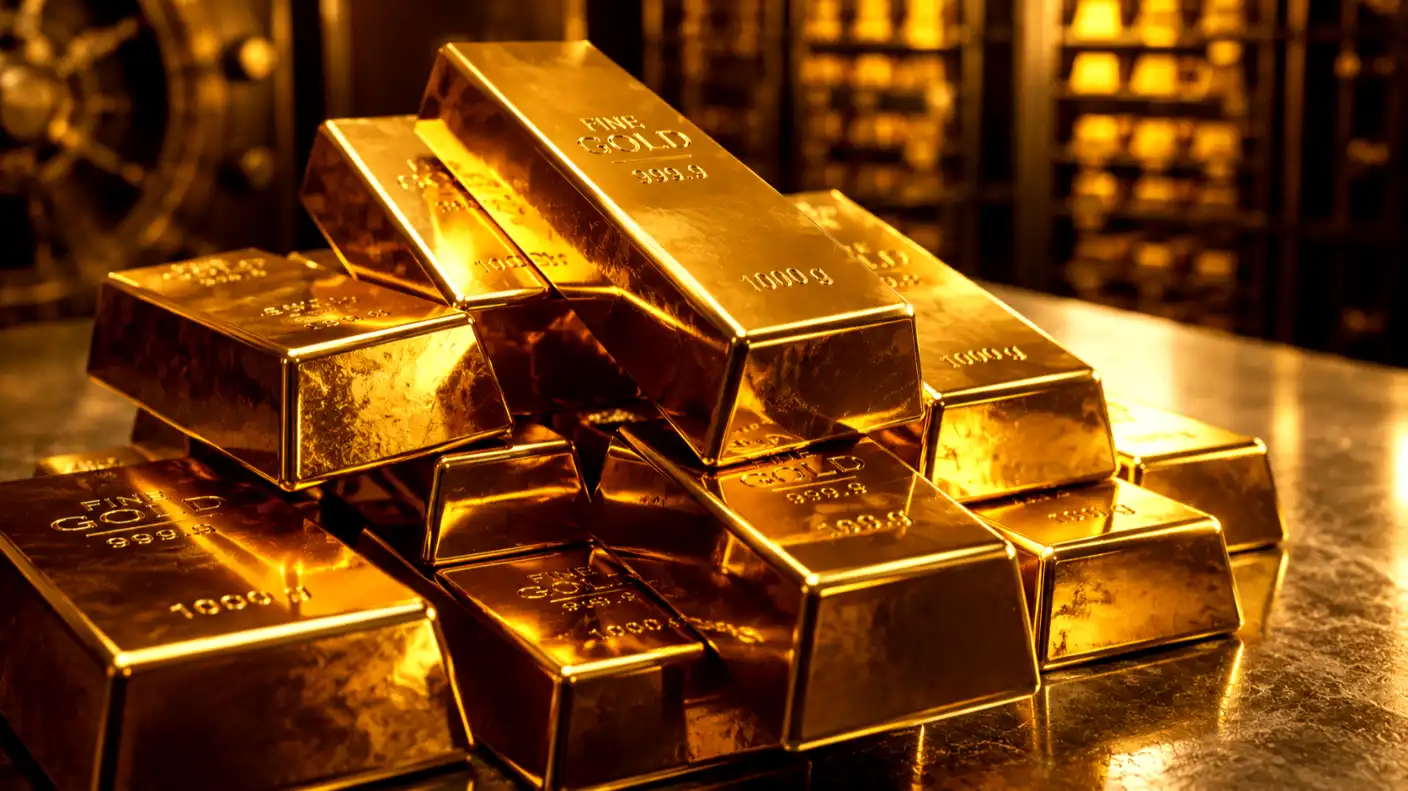
Despite this significant geopolitical breakthrough, gold prices remain under pressure, heading for their third consecutive weekly decline. The precious metal, typically a safe-haven asset during times of geopolitical uncertainty, is struggling to find support as the market pivots away from war-driven inflation and toward a renewed focus on interest rate policy.
A deep look into the underlying market data shows that persistent hawkish sentiment from the Federal Reserve is eclipsing the “Iran truce cheer” that has lifted other asset classes. By analyzing gold’s performance through key technical indicators, Federal Reserve policy expectations, and the contrasting performance of risk assets, investors can gain a clear, data-driven perspective on the precious metal’s current vulnerabilities.
Analyzing Gold’s Triple Weekly Decline: Technicals and Fed Policy
The physical price action of gold over the past three weeks has been highly concerning for bullish investors. Despite the massive geopolitical relief rally across global equity markets, the precious metal has struggled to gain any traction. Gold prices are heading for their third consecutive weekly decline, marking a stark departure from their earlier performance when geopolitical tensions were at their peak.
The $2,300 Psychological Level Break
The technical damage became undeniable when gold prices decisively broke below the crucial $2,300 per troy ounce psychological support level. This break below the floor marked a significant shift in market sentiment, signaling that the safe-haven demand previously driven by the Middle East conflict had completely evaporated.
When gold prices fall below key support levels, it typically triggers a cascade of sell orders as traders rush to exit their positions, preventing further downside and driving prices even lower.
The Fed’s Hawkish Stance and the Higher-for-Longer Narrative
The primary reason for gold’s weakness lies in the Federal Reserve’s persistent hawkish stance. Despite a sharp drop in oil prices and easing inflation expectations, the central bank remains committed to its mandate of price stability.
The latest U.S. jobs report showed the economy added 172,000 jobs in May, far exceeding the consensus estimate of 80,000. This strong labor data, combined with persistent inflation in the services sector, suggests that the U.S. economy remains resilient enough to withstand higher borrowing costs.
Consequently, Federal Reserve Chair Kevin Warsh has signaled that the central bank is likely to keep interest rates elevated for a longer period than previously anticipated. This “higher-for-longer” narrative directly impacts gold prices. Higher interest rates increase the opportunity cost of holding non-yielding assets like gold, making risk-free assets like U.S. Treasury bonds far more attractive to institutional investors.
Key Components of Gold’s Current Vulnerability
The precious metal’s struggle to find support stems from a combination of technical, macroeconomic, and geopolitical factors:
- US Dollar Strength: Higher U.S. interest rates are driving strong demand for the dollar, making dollar-denominated assets like gold more expensive for foreign buyers.
- Diminished Geopolitical Risk Premium: The peace deal between the US and Iran has removed the immediate safety-driven demand for gold.
- Soaring Real Yields on Treasuries: The 10-year Treasury yield near 4.46% offers attractive, risk-free returns that compete directly with gold.
- Weakening Retail Investor Sentiment: A substantial 1.5% decline in net inflows to gold ETFs over the past month has removed a key source of speculative buying.
- The Fed’s Next Policy Meeting: Market participants are closely watching the upcoming FOMC meeting for any hints of a dovish pivot, which could provide temporary relief.
The Geopolitical Relief vs. the Inflationary Ghost
The peace agreement between the United States and Iran represents a massive geopolitical breakthrough, effectively neutralizing the immediate threat of a global energy crisis. The closure of the Strait of Hormuz had sent Brent crude oil prices soaring toward $97 per barrel, driving fears of a potential global recession and accelerating inflation across all sectors of the economy.
However, the market’s reaction to this relief has been surprisingly muted for gold. While the end of the conflict has certainly lowered the geopolitical risk premium in commodities, the underlying inflationary pressures remain stubbornly high.
The Persistent Inflationary Ghost
The U.S. economy continues to battle inflation, primarily driven by robust consumer demand and sticky wage growth. The latest Consumer Price Index (CPI) report showed inflation running at 3.4% year-over-year, with core inflation—excluding volatile food and energy prices—remaining stubbornly above the Federal Reserve’s 2% target.
This persistent inflation creates a dilemma for the Fed. If the central bank cuts interest rates too aggressively, it risks reigniting demand-driven price pressures, potentially causing inflation to spiral out of control.
Consequently, the Fed remains committed to its hawkish stance, signaling that interest rates will likely stay higher for longer. This “higher-for-longer” narrative directly impacts gold prices. As bond yields remain elevated, the opportunity cost of holding a non-yielding asset like gold increases, making safer, yield-bearing assets like U.S. Treasury bonds far more attractive to institutional investors.
The Weakening of Gold’s Safe-Haven Appeal
In times of crisis, gold has historically served as the ultimate safe-haven asset, attracting capital as investors flee riskier markets. However, the market’s reaction to the Middle East conflict demonstrated a significant shift in investor behavior.
While geopolitical tensions did provide a temporary boost to gold prices, the asset did not see the massive inflows that typically accompany periods of extreme global uncertainty. Instead, investors chose to allocate their capital to cash, short-term U.S. Treasury bonds, and dividend-paying equities, which offered higher and more predictable returns.
This trend suggests that in the current market environment, geopolitical risk is no longer the primary driver of gold demand. Instead, investors are prioritizing real yields and stable asset prices, making gold’s performance highly sensitive to Federal Reserve policy decisions.
The Fed’s Hawkish Stance: Higher Rates for Longer
The Federal Reserve’s commitment to fighting inflation remains the single most important factor influencing gold prices. Under the leadership of Chair Kevin Warsh, the central bank has adopted a highly disciplined, data-dependent approach to monetary policy, prioritizing price stability above all else.
The Inflation Dilemma and Labor Market Resilience
Despite the recent drop in oil prices, inflation remains stubbornly high, particularly in the services sector. The latest jobs report showed the U.S. economy adding 172,000 jobs in May, far exceeding the consensus estimate of 80,000. This strong labor market performance, combined with persistent wage growth, suggests that the U.S. economy is still running hot enough to sustain inflationary pressures.
This resilience in the labor market presents a major challenge for the Fed. A strong economy reduces the urgency for the central bank to cut interest rates, as there is little immediate need to stimulate growth. Instead, the focus remains squarely on controlling inflation, suggesting that rate cuts may be delayed until later next year.
The Impact on Real Yields and Opportunity Cost
The Fed’s hawkish stance has kept nominal interest rates elevated, but it is the rise in real interest rates that is most damaging to gold prices. Real interest rates are calculated by subtracting the expected inflation rate from nominal interest rates. As inflation expectations remain elevated, the real yield on U.S. Treasury bonds has climbed significantly.
For example, with nominal yields on 10-year Treasuries hovering around 4.46%, and inflation expectations around 3.4%, the real yield on these safe-haven assets is now well above 1%.
When real yields are positive and attractive, the opportunity cost of holding a non-yielding asset like gold becomes substantial. Investors can earn a guaranteed, risk-free return by holding Treasuries, making gold significantly less attractive by comparison. This dynamic puts direct downward pressure on gold prices, limiting its upside potential.
Contrasting Performance: Risk Assets Versus Safe Havens
The current market environment has created a stark divergence in asset performance. While gold is struggling, other risk assets, particularly technology stocks and equities tied to the artificial intelligence boom, have experienced remarkable gains.
The AI Stock Surge and Tech Dominance
The U.S. stock market has been largely driven by a narrow group of technology giants, often referred to as the “Magnificent 7.” These companies, including Nvidia, Microsoft, and Alphabet, have benefited immensely from the artificial intelligence supercycle, reporting record revenues and profit growth.
As institutional investors rotate capital away from commodities and into these high-growth sectors, demand for safe-haven assets like gold has waned. The prospect of higher-for-longer interest rates, which typically pressures growth stocks, has been mitigated by the immense profitability generated by AI-related hardware and software sales.
The Weakening of Gold’s Safe-Haven Narrative
The recent market action suggests that gold’s traditional role as a safe-haven asset may be evolving. While geopolitical tensions did provide a temporary boost, investors have demonstrated a preference for yield-bearing assets in the current environment.
This shift indicates that gold may be struggling to compete with U.S. Treasury bonds, which offer a guaranteed, risk-free return. As a result, gold’s price action is becoming increasingly correlated with real interest rates, rather than geopolitical risk premiums.
The Path Forward: What to Watch in the Coming Months
Despite the current headwinds, several factors could provide a potential boost to gold prices in the coming months.
Potential Fed Pivot and Inflation Easing
If U.S. inflation begins to show sustained signs of cooling, the Federal Reserve may be forced to pivot its monetary policy. A dovish shift, signaling potential rate cuts, would reduce the opportunity cost of holding gold and could spark a renewed rally in the precious metal.
Market participants will be closely watching upcoming inflation reports, consumer price index (CPI) data, and employment figures for any signs of a significant economic slowdown that might prompt the Fed to change course.
Global Economic Uncertainty and De-Dollarization Trends
While the immediate geopolitical crisis in the Middle East has eased, global economic uncertainty remains elevated. The ongoing trade disputes between the United States and China, the massive expansion of domestic Chinese AI computing infrastructure, and the continued push for de-dollarization among BRICS+ nations all contribute to a background level of global financial risk.
In such an environment, gold could regain some of its safe-haven appeal if other asset classes face significant downturns or if systemic risks in the global financial system begin to re-emerge.
Conclusion
The current market environment presents a complex picture for gold investors. While the easing of Middle East tensions has removed a significant geopolitical tailwind, persistent inflation and the Federal Reserve’s hawkish stance continue to weigh heavily on the precious metal. The “higher-for-longer” interest rate narrative, combined with the attractive real yields offered by U.S. Treasury bonds, presents a formidable challenge for gold’s traditional role as a safe-haven asset. As market participants await the Fed’s upcoming policy meeting for any hints of a dovish pivot, the precious metal’s performance will likely remain highly sensitive to macroeconomic data and central bank actions. While the long-term outlook for gold remains supported by ongoing de-dollarization trends and the potential for future economic uncertainty, investors must remain cautious, recognizing that in the current environment, yield-bearing assets and AI-driven tech stocks are currently offering a much more attractive risk-reward profile.