
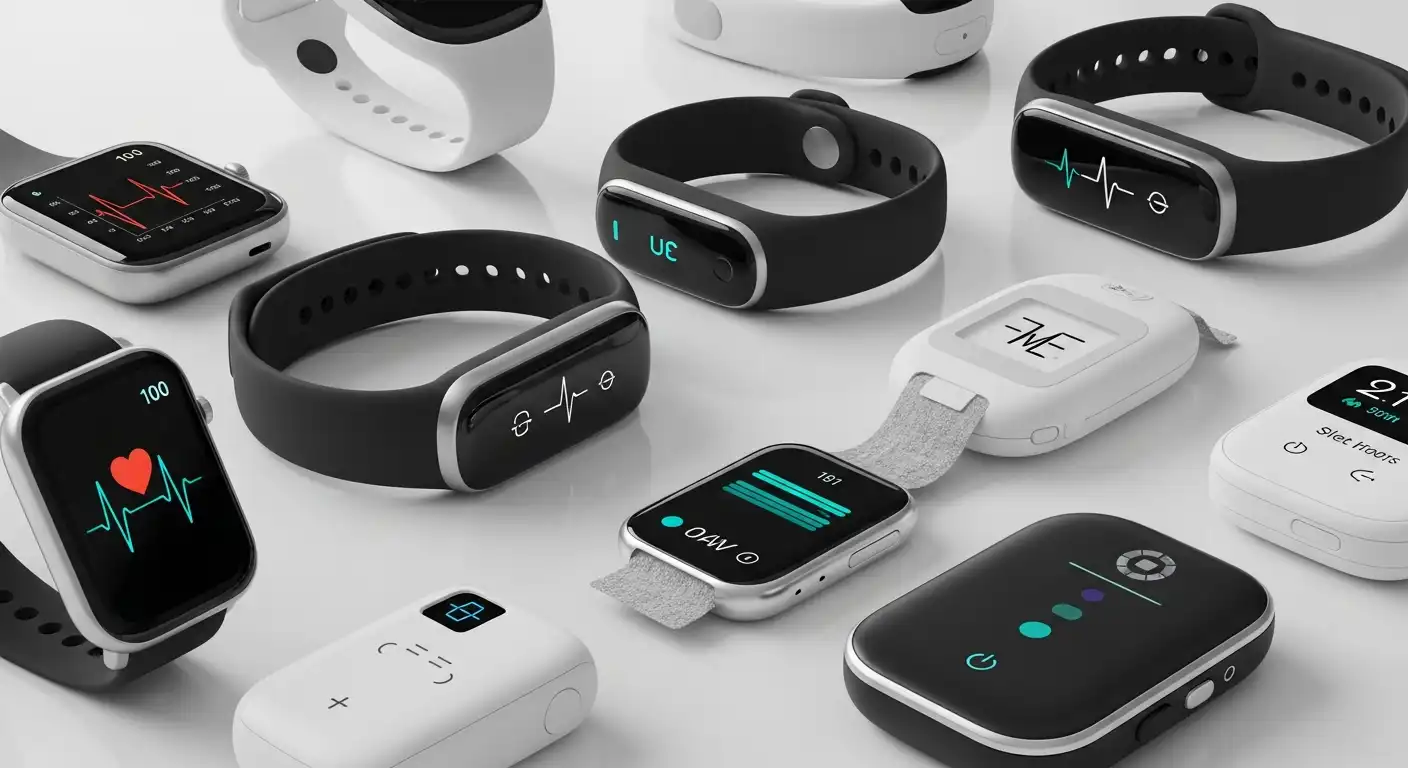
The dawn of the digital age has ushered in a transformative wave of technological advancements, and among these, wearable healthcare devices stand as significant milestones. These innovative devices are more than just gadgets; they represent a new era in healthcare, empowering individuals to take charge of their well-being and providing a proactive approach to health management.
Wearable healthcare devices encompass devices ranging from smartwatches and fitness trackers to specialized devices such as continuous glucose and heart rate monitors. The key lies in their ability to collect real-time data on the wearer’s vital signs, activities, and overall health parameters. This data is then processed and analyzed to provide actionable insights, empowering individuals to make informed decisions regarding their health.
One of the pivotal advantages of wearable healthcare devices is their seamless integration into daily life. These devices are designed to be comfortable, stylish, and user-friendly, thereby encouraging regular wear.
As they integrate into our routines, they continuously monitor key health metrics, providing a comprehensive view of our health over time. This continuous monitoring is particularly crucial for individuals managing chronic conditions, as it enables early detection of anomalies and facilitates timely interventions.
In preventive healthcare, wearable devices are invaluable. They encourage a proactive approach by promoting regular exercise, tracking nutrition, monitoring sleep patterns, and managing stress.
The gamification features of many wearable devices make the process engaging and motivating, thereby fostering healthier habits over the long term. Moreover, wearables foster community and competition, as users can share their progress and compete with friends, thereby creating a supportive environment that promotes well-being.
Wearable healthcare devices are a beacon of hope for those with specific health conditions. Continuous glucose monitors, for instance, have revolutionized diabetes management by providing real-time glucose levels and trend data, enabling precise insulin dosing adjustments.
Similarly, heart rate monitors can alert individuals to potential cardiac issues, allowing for timely medical attention and intervention. These devices bridge the gap between sporadic clinical assessments and continuous monitoring, providing a more comprehensive understanding of health status.
As we embrace the potential of wearable healthcare devices, we must also consider privacy and data security. Since these devices collect sensitive health data, ensuring stringent privacy measures and secure data storage is imperative. Companies developing such technologies should prioritize transparency, informing users how their data is used, shared, and protected.
Wearable healthcare devices represent a paradigm shift in healthcare, empowering individuals to proactively manage their health. With ongoing advances, these devices have the potential to significantly affect healthcare outcomes, contributing to a healthier and more informed society.