Key Points:
- Alibaba launched a new smart tool that turns weeks of international sourcing work into a process that takes just minutes.
- Total goods trade in China reached an incredible $1.7 trillion in the first quarter of 2026.
- Private companies now control 87% of all import and export business activity across the nation.
- Exporters use new software to comply with strict global trade rules, including the loss of tax exemptions in the US and Europe.
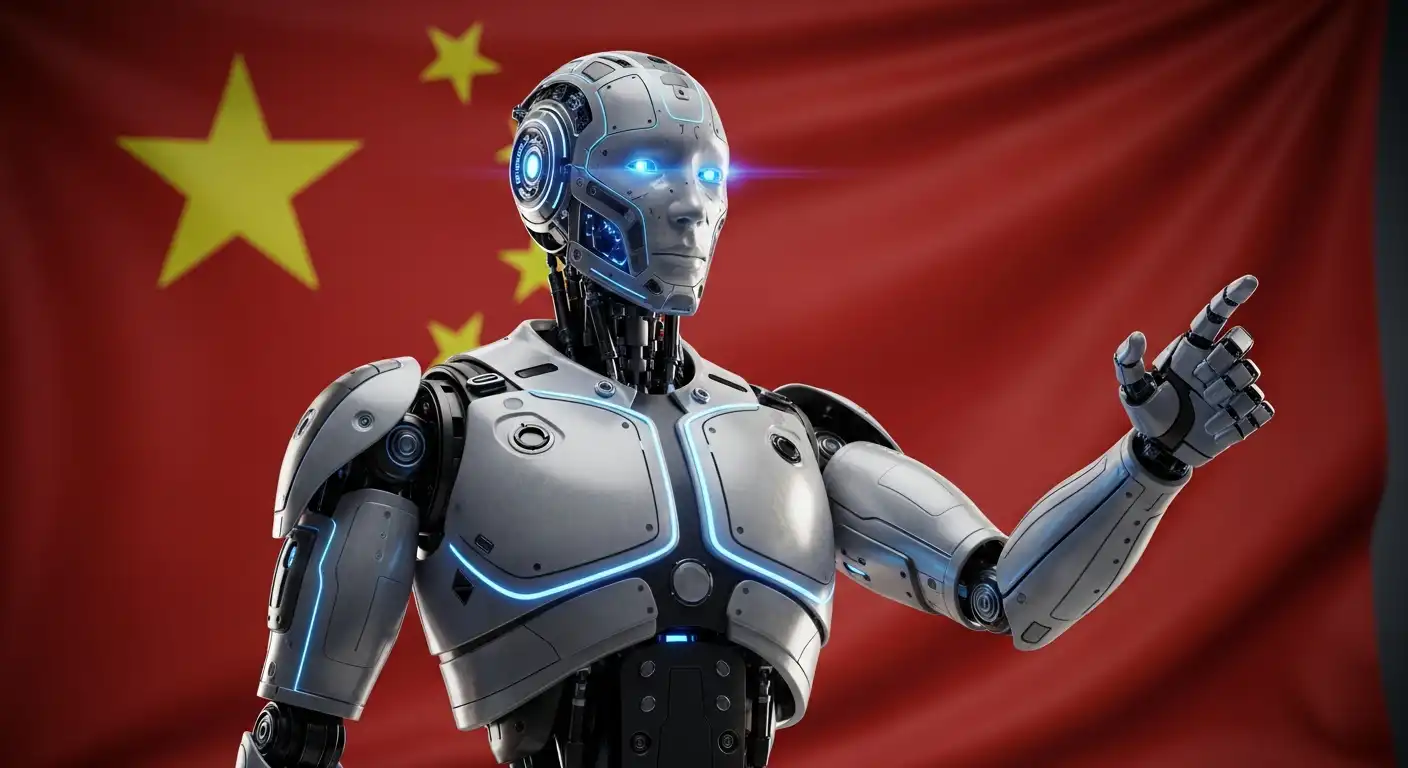
A few minutes of typing can now replace weeks of hard work for international buyers. Alibaba recently launched a new artificial intelligence tool called Accio Work. Users simply type basic product details into the system. The tool instantly searches niche market data, social media trends, and supply chain records. It finds the right factory suppliers, compares their business backgrounds, and even writes the first email to start the deal.
In the past, foreign trade required endless rounds of searching, sorting, and price negotiations. Today, artificial intelligence condenses all those frustrating steps into a single, smooth digital process. By 2026, these smart tools will have moved out of testing labs and become normal parts of daily business operations. Companies that buy and sell goods across borders now rely heavily on this technology just to stay competitive in a fast market.
This massive shift in technology arrives at a crucial moment for the global economy. The National Bureau of Statistics reported that China’s total goods trade reached 11.84 trillion yuan, or roughly $1.7 trillion, in the first quarter of 2026. This number represents a solid 15% increase compared to the same time last year. During this busy period, exports jumped 11.9%, while imports grew by a massive 19.6%.
Looking closely at the numbers reveals a significant shift in who actually handles global trade. Private companies now completely dominate the import and export market. Out of 618,000 trading entities, private firms make up exactly 540,000. This data shows that private businesses handle 87% of all foreign trade activity. The market simply has more players spread across more regions than ever before.
The types of goods leaving the country also look quite different today. Mechanical and electrical products still lead the pack. The total export value of these goods reached $620 billion in the first quarter, representing a huge 21.4% increase. Companies currently sell far more complex items, such as semiconductors, data storage components, and heavy power equipment, than regular household consumer goods.
Exporters use artificial intelligence for much more than just finding factory suppliers. They apply these smart systems to process complex customs paperwork, translate legal contracts, and track shipping containers across the ocean. For small businesses, this software acts like an entire team of logistics experts. It lowers the cost of entering brand new markets. Small companies can now confidently sell products to distant countries that previously seemed too expensive or complicated to reach.
At the same time, the global rush to build new data centers changes the physical supply chain. Since late 2023, tech giants have poured billions of dollars into facilities that require high-performance chips. These massive data centers require specialized components such as high-bandwidth memory, high-performance servers, and large-scale power systems. High demand for these specific memory chips reduced the supply of regular computer chips, pushing prices higher across the entire electronics market.
China plays a very specific role in this new hardware boom. While other countries design the core computer chips, Chinese factories build the essential supporting equipment. They manufacture the electrical systems, base components, and server infrastructure that keep global data centers running safely. Technology companies buy these goods as long-term investments rather than quick consumer purchases, creating a very steady stream of export orders for factory owners.
Even with all this technology, exporters face tough new challenges around the world. Major consumer markets continue to write stricter trade rules to protect their own economies. The United States recently canceled its rule that allowed packages under $800 to enter the country tax-free. Across the ocean, the European Union currently plans to end a similar tax exemption for small parcels priced under 150 euros.
Europe also launched its new Carbon Border Adjustment Mechanism to fight climate change. This strict environmental rule will force companies to pay additional penalties starting in 2027 if they ship carbon-intensive goods such as steel, aluminum, cement, and hydrogen. Furthermore, major online shopping websites require extensive paperwork to verify product safety and protect brand copyrights. Some smaller sellers simply quit the business because the rules became too hard to follow.
To survive these strict new regulations, modern companies lean heavily on artificial intelligence. Smart software helps businesses process new compliance rules instantly without hiring huge legal teams. The tools handle the boring paperwork, prevent costly shipping errors, and predict sudden changes in customer demand. While factories still need to build high-quality products, modern business success now depends entirely on how fast a company can process data and clear legal hurdles.