
Key Points:
- Container shipping rates from East Asia and China to the United States West Coast have surged by 109% since the war in Iran began.
- The ongoing closure of the Strait of Hormuz has forced major shipping lines to reroute cargo around Africa, absorbing global vessel capacity.
- Importers are aggressively pulling forward shipping volumes to beat potential US Section 301 tariff changes expected to take effect in July.
- Port congestion at major transshipment hubs such as Singapore and Port Klang is creating secondary disruptions, driving spot rates even higher.
The global shipping network is buckling under the weight of escalating geopolitical conflict and an early, highly aggressive peak cargo season. On Saturday, June 6, 2026, new industry data confirmed that Asia-to-US container rates have spiked by 109% since the outbreak of the war in Iran in late February. The persistent closure of the strategic Strait of Hormuz has forced major shipping lines to rewrite their global networks completely. As the regional conflict approaches its 100-day mark with no diplomatic resolution in sight, the resulting capacity squeeze is driving freight rates to some of their highest levels since the pandemic era.
The dramatic 109% rate surge represents a massive cost event for multinational retailers, e-commerce brands, and industrial manufacturers. According to maritime analytics firm Xeneta, the spot rate for a forty-foot equivalent unit (FEU) from the Far East to the U.S. West Coast has more than doubled since the conflict began, climbing to levels around $3,212. Other trade lanes are recording similar, highly painful increases. Spot rates to the U.S. East Coast have soared by 92% to $5,103 per FEU, while rates to Northern Europe and the Mediterranean have climbed by 65% and 51%, respectively, proving that the shipping shock has spread far beyond routes directly adjacent to the Persian Gulf.
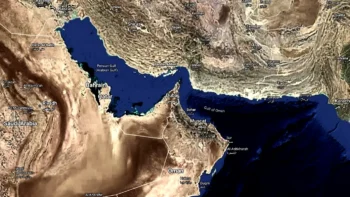
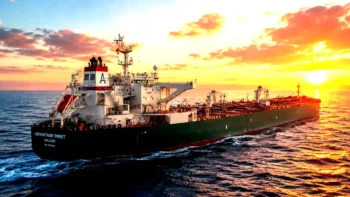
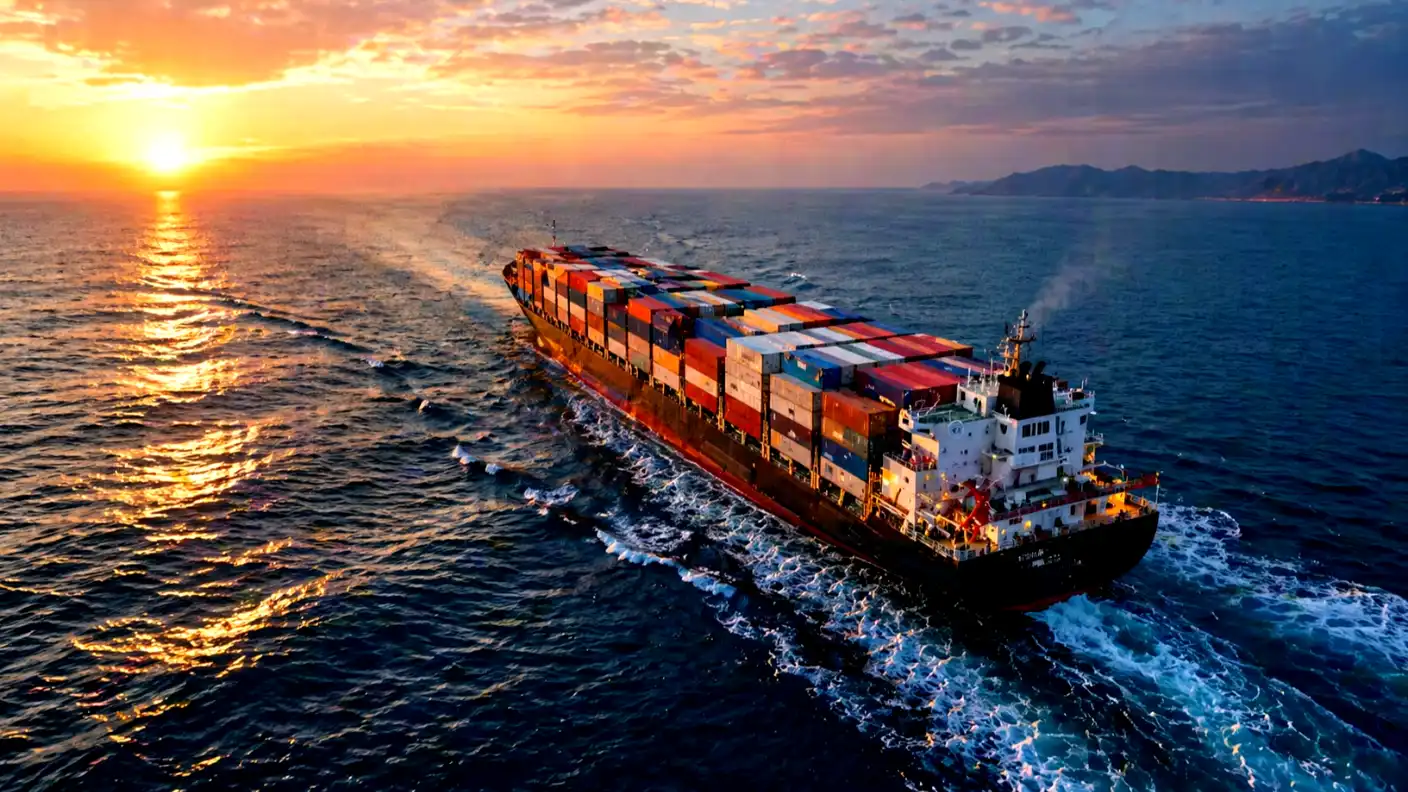
The physical closure of the Strait of Hormuz—the 21-mile-wide shipping artery that handles roughly 20% of the world’s daily petroleum supply—lies at the absolute center of this logistical chaos. Because the waterway has remained closed to commercial traffic since late February, shipping lines such as Maersk, MSC, and Hapag-Lloyd have suspended their Gulf transits. Instead, carriers are rerouting their massive container ships around the southern tip of Africa, adding 10 to 14 days to standard transit times. This massive detour has absorbed a substantial share of global vessel capacity, effectively erasing the surplus carriers had previously expected for 2026.
Compounding this structural capacity shortage, U.S. importers are currently triggering an early, highly chaotic peak season rush. Under normal market conditions, the peak shipping season does not begin until July. However, the looming threat of the U.S. government’s new Section 301 tariff changes—which could affect over $1 billion in key consumer and industrial imports starting in July—has forced businesses to pull forward their shipping schedules aggressively. Importers are scrambling to secure vessel space and clear customs before the new duties take effect, creating a massive, demand-led spike on transpacific routes.
To exploit this tight capacity, major ocean liners have successfully implemented heavy peak season surcharges and general rate increases (GRIs). Shippers are finding their contracted cargo allocations slashed, with carriers demanding premium surcharges of $1,000 to $1,800 per container just to guarantee a spot on a vessel. Peter Sand, the Chief Analyst at Xeneta, noted that this freight rally has triggered secondary congestion at major transshipment hubs. Southeast Asian transit points like Singapore and Port Klang are facing massive vessel queues as carriers struggle to adjust to the disrupted shipping loops, further delaying cargo deliveries.
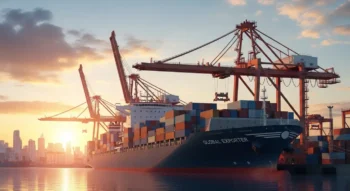
Aviation and logistics experts warn that port congestion is incredibly toxic for global supply chains. When major hubs like Singapore experience delays, vessels miss their scheduled berths, causing containers to pile up on docks and creating a shortage of empty containers at other Asian manufacturing centers. This lack of container availability has forced some high-value electronics and medical supply companies to abandon ocean freight altogether, shifting their critical shipments to air cargo networks instead. This sudden transition has triggered a parallel spike in air freight rates on key transpacific routes.
Leading maritime consultants have confirmed the systemic nature of this logistics crisis. Lars Jensen, the president of Vespucci Maritime, pointed out that the current container tightness is an indirect, cascading effect of the broader U.S.-Iran war. Jensen explained that it is not the blockage of the Strait of Hormuz itself that directly limits transpacific shipping capacity. Instead, the Hormuz crisis remains the primary reason why the parallel Red Sea shipping crisis cannot be resolved. The resulting, prolonged African detours are permanently absorbing the global fleet capacity that would normally handle seasonal cargo surges.
The rapid rise in container shipping costs is already hurting the profit margins of average consumer brands. Because these businesses operate on highly optimized inventory cycles, adding two weeks of transit time and thousands of dollars in freight surcharges forces them to spend millions more on safety stock. Even a minor 1.5% increase in global logistics overhead can severely squeeze retail profit margins, particularly for low-margin products like furniture, home appliances, and low-cost apparel. To protect their cash flows, some e-commerce brands have already announced plans to raise their retail prices.
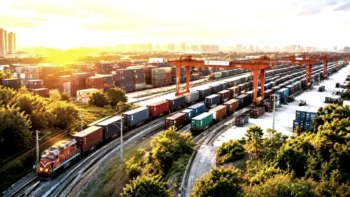
To insulate themselves from this persistent market volatility, major logistics firms are making massive, long-term capital investments in supply chain resilience. Japanese shipping giant NYK Line, for example, is actively executing its “Sail Green, Drive Transformations 2026” strategic roadmap, which allocates over ¥1.2 trillion (nearly $8 billion) toward decarbonization and cargo-tracking technologies. By building more fuel-efficient fleets and establishing alternative overland land-bridge corridors, these firms are trying to reduce their dependence on volatile spot market rates and prepare for a future of prolonged geopolitical fragmentation.
Ultimately, the 109% surge in Asia-to-US container rates highlights the fragile nature of modern, highly centralized global supply chains. What began as a regional conflict in the Persian Gulf has transformed into a massive global logistics crisis affecting everyday consumers and multinational corporations alike. As the Strait of Hormuz remains closed and peak-season demand intensifies through June, the shipping industry must brace for sustained volatility. Those who successfully diversify their logistics routes and build robust safety stocks will dominate the market. At the same time, those who remain dependent on volatile spot rates will continue to pay a heavy price for international instability.