
Key Points:
- More than half of Japanese food and daily goods manufacturers plan to raise retail prices as the ongoing war in Iran disrupts global supply chains.
- A severe shortage of Middle Eastern naphtha has disrupted the production of plastic bags, food trays, medical gloves, and commercial printing inks.
- Snack giant Calbee has switched some of its packaging to black-and-white due to difficulties procuring naphtha-derived colored inks.
- Japan’s domestic production of polyethylene used for basic shopping and garbage bags plummeted by 62% year-on-year.
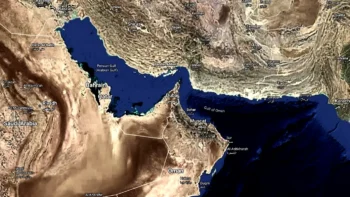
The geopolitical crisis in the Middle East has seeped into the daily lives of consumers in East Asia, disrupting everything from supermarket checkouts to snack-aisle shelves. On Friday, June 5, 2026, a comprehensive Nikkei survey revealed that more than half of Japanese food and daily necessities manufacturers have either raised their retail prices or are actively considering doing so. The ongoing war in Iran—which has effectively blocked oil and gas shipments through the critical Strait of Hormuz—is severely restricting the supply of crude oil to Japanese refineries, sparking a severe national shortage of naphtha. This chemical bottleneck has triggered a sudden wave of daily goods price hikes in Japan, highlighting how vulnerable modern consumer supply chains remain to far-flung geopolitical conflicts.
Most consumers do not realize that naphtha, a petrochemical refined directly from crude oil, serves as the essential raw material for modern retail distribution. Chemical plants process naphtha to manufacture plastics, packaging film, industrial adhesives, medical gloves, and commercial printing inks. Because Japan imports nearly 95% of its crude oil from the Middle East, the shipping blockade has severely paralyzed domestic petrochemical refineries. Supermarkets, takeaways, and bakeries across Tokyo and Osaka are rapidly running out of basic plastic shopping bags, food trays, and food service gloves, forcing retailers to implement emergency conservation measures.
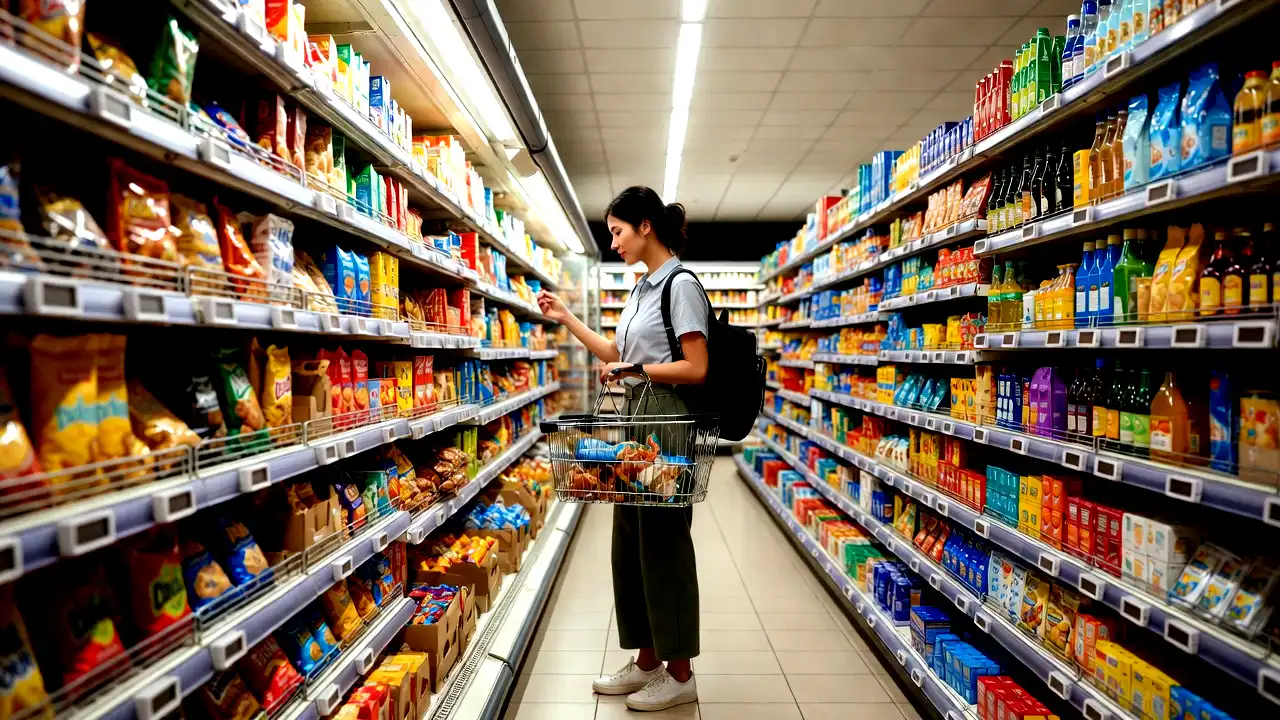
The scarcity of petrochemical inputs has forced major consumer brands to undertake highly unusual and visible product redesigns. Japanese snack giant Calbee recently made the drastic decision to temporarily switch the packaging of several flagship products, including its popular potato crisps and prawn crackers, to a stark black-and-white design. The company explained that the ongoing naphtha shortage has made it incredibly difficult to procure the specialized colored printing inks traditionally used on its plastic bags. This high-profile packaging downgrade provides a vivid, highly visible warning to consumers of the real-world trade compromises currently reshaping the retail economy.
Official manufacturing data confirms that the packaging shortage is occurring on a massive scale. According to the Japan Petrochemical Industry Association (JPCA), the domestic production of polyethylene—the primary plastic used to manufacture basic shopping bags and garbage liners—plunged by 62% in March compared to the same month last year. Production of other essential packaging polymers has recorded similar double-digit declines. This sudden collapse in raw material availability has forced manufacturers to ration plastic allocations, leaving supermarkets struggling to secure the basic packaging materials required to preserve and transport fresh food.
The escalating plastic and goods crisis has placed intense political pressure on Prime Minister Sanae Takaichi’s cabinet. While government officials have repeatedly assured the public that the current disruption represents a temporary supply “bottleneck” rather than a true national shortage, industrial leaders and independent commentators have openly contradicted this optimistic stance. Retailers warn that the shortage of packaging film and food-grade plastic containers will likely worsen throughout June, prompting consumers to accuse the administration of underestimating the strategic economic risks of the Middle East conflict.
Faced with dwindling plastic supplies, Japanese retailers are rapidly pivoting toward paper-based packaging and alternative, bio-based materials. Many supermarkets have started offering cash perks or loyalty points to customers who bring their own shopping bags, reusable food plates, or storage containers. While the government has mandated that retailers charge for plastic shopping bags since 2020, the current petrochemical freeze has accelerated this green transition far faster than any prior environmental regulation, forcing businesses to adapt their logistics to paper and cardboard quickly.
The food and hospitality sectors are the primary battleground in this materials crisis, as they account for nearly one-third of Japan’s annual plastic consumption, which exceeds 8 million tonnes. From clear plastic bento box lids to thin plastic wraps for individual fruits and vegetables, the country’s high-end convenience culture relies heavily on extensive, multi-layered plastic packaging. Finding viable, large-scale alternatives to these hygienic barriers is incredibly difficult, especially for fast-moving takeaways and convenience stores that depend on cheap, disposable packaging to maintain their thin operating margins.
The ongoing economic disruption is creating a sharp divide in corporate profitability across the Japanese business community. While retail manufacturers and utility providers warn of weaker earnings as their fuel and material procurement costs spike, major Japanese trading houses are forecasting record-breaking annual profits. These massive, multi-billion-dollar trading firms are capitalizing on their global logistics networks and diversified portfolios—frequently backed by over $1 billion in private credit facilities—to sell high-priced commodities, metals, and non-Middle Eastern energy resources, generating massive windfall profits from the global supply squeeze.
This localized material inflation is complicating the Bank of Japan’s delicate monetary policy path. Economists warn that as persistent energy and packaging costs force consumer prices higher, annual inflation will continue to exceed the central bank’s comfortable 2% target. With the Japanese yen trading near the psychologically important 160-per-dollar level, imported raw materials have become exceptionally expensive. Even a minor 1.5% increase in administrative compliance and raw material procurement costs can force companies to push through additional retail price hikes, raising the risk of stagflation as consumer spending cools.
Ultimately, the looming wave of price hikes and packaging shortages across Japan highlights the deep, physical vulnerabilities of the globalized retail economy. By prioritizing short-term profit margins and cheap imported materials for decades, businesses built a fragile reliance on international shipping corridors that are easily severed by regional conflicts. As the war in Iran drags on and the shortage of vital Middle Eastern naphtha worsens, Japanese manufacturers must rebuild their local material supply chains, proving that true corporate resilience in the digital age requires securing the physical materials that power our daily lives.