
Key Points:
- Rosneft Chief Executive Igor Sechin claimed that U.S. energy companies are the main beneficiaries of the ongoing blockade of the Strait of Hormuz.
- American oil and gas companies are projected to generate more than $60 billion in additional windfall profits this year alone.
- Sechin warned that the closure of the strategic waterway threatens other critical global shipping routes, including the Strait of Malacca and the Strait of Gibraltar.
- The OPEC+ group has lost significant influence over the past decade, with daily production falling from 58 million to 37 million barrels.
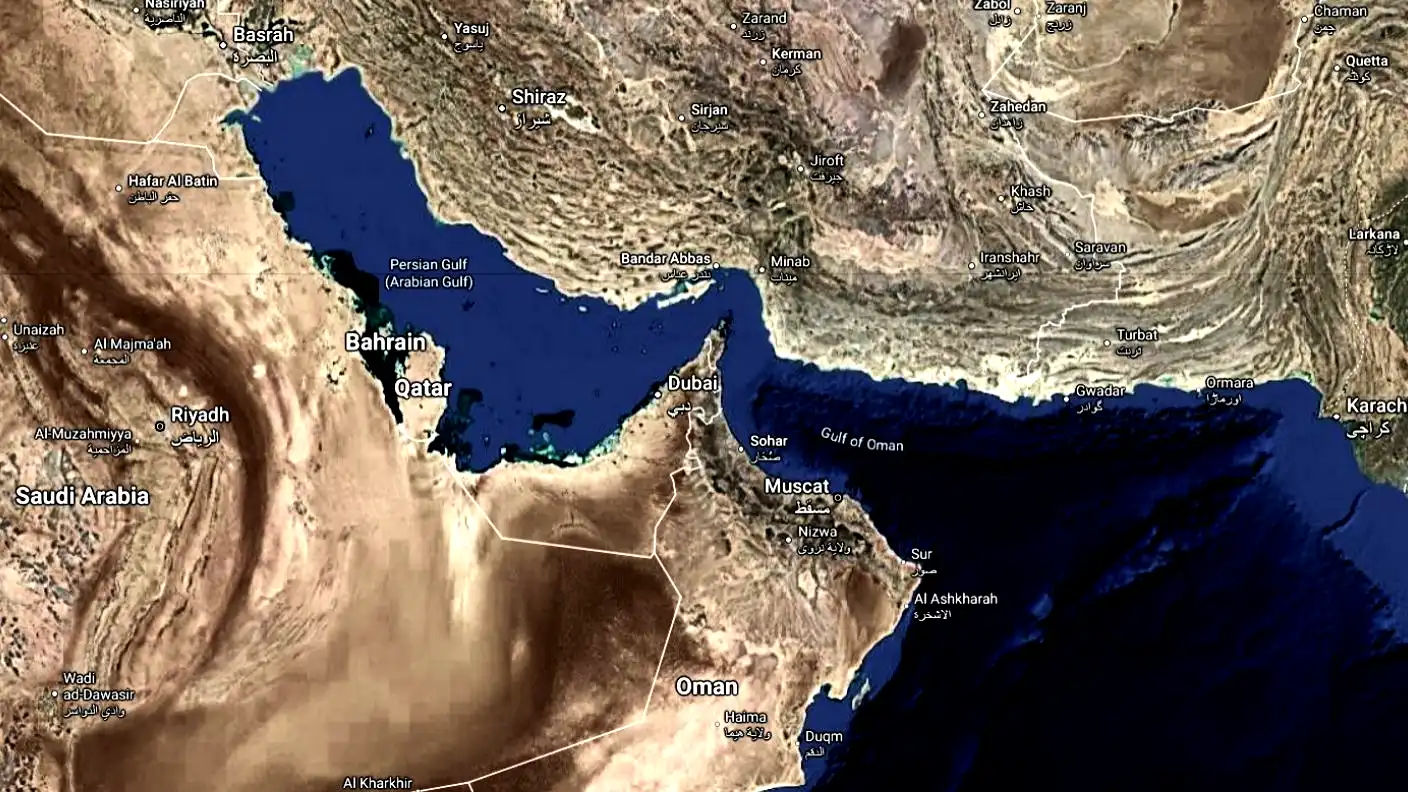
The ongoing crisis in global energy markets is facing sharp criticism from Moscow’s elite as the economic fallout of the Middle East conflict intensifies. On Saturday, June 6, 2026, Rosneft Chief Executive Igor Sechin delivered a highly critical assessment of current trade dynamics. Speaking at the St. Petersburg International Economic Forum, Sechin argued that the ongoing blockade of the strategic Strait of Hormuz represents a calculated attempt by Washington to reshape global energy market regulations for its own commercial gain. This geopolitical friction, which has closed a vital conduit for about one-fifth of the world’s oil supply, is systematically shifting the balance of power toward North American producers.
The Rosneft chief, a close and long-standing ally of Russian President Vladimir Putin, did not mince words when identifying who benefits most from the shipping shutdown. He asserted that American energy companies are the primary beneficiaries of the maritime blockade, which began in late February following escalating military strikes between Israel, the United States, and Iran. Sechin explained that by restricting Middle Eastern exports, the blockade has granted U.S. companies significant non-competitive advantages, allowing them to secure highly lucrative, high-cost supply contracts with desperate European and Asian buyers.
To demonstrate the immense economic scale of this geopolitical shift, Sechin cited independent market projections. Citing data from leading energy research firm Rystad Energy, the Russian oil executive highlighted that U.S. oil and gas companies are on track to reap more than $60 billion in additional windfall profits this year alone. This massive surge in American profitability illustrates how the Western-led sanctions and blockades intended to penalize Iran have ultimately backfired, harming the global economy while delivering a multi-billion-dollar windfall to Texas-based shale producers.
In contrast to Europe’s ongoing energy struggles, Sechin praised China as the nation best prepared to withstand the prolonged closure of the Strait of Hormuz. He attributed this resilience to Beijing’s well-thought-out, balanced, and highly realistic energy security policies. By systematically diversifying its import routes, building massive strategic petroleum reserves, and expanding land-based pipeline connections with Russia and Central Asia, China has successfully insulated its domestic economy from the maritime shipping bottlenecks currently paralyzing other major industrial nations.
The Rosneft executive also issued a stark warning regarding the potential domino effect of the Persian Gulf blockade on other critical global waterways. He cautioned that the prolonged closure of the Strait of Hormuz increases the risk of similar, highly disruptive blockades at other strategic choke points around the world. Sechin specifically highlighted the Strait of Malacca in Southeast Asia, the Bab-el-Mandeb in the Red Sea, and the Strait of Gibraltar as high-risk zones that could face sudden disruptions if geopolitical tensions continue to escalate, potentially cutting off 80% of all global seaborne trade.
Sechin’s presentation also featured a highly critical, skeptical assessment of the OPEC+ group’s long-term effectiveness. He argued that the alliance of major oil producers has lost a significant portion of its market potential, particularly following the high-profile withdrawal of the United Arab Emirates (UAE) from the coalition earlier this year. Sechin pointed out that the alliance’s combined production has plummeted from approximately 58 million barrels per day to just 37 million barrels per day over the past decade. This dramatic decline suggests that OPEC+ is struggling to coordinate its members and maintain its historical grip on global crude pricing.
While most key OPEC+ members have increased their output since the original 2016 agreement, Russia’s oil sector has faced significant government-mandated production cuts. Sechin revealed that Russian oil production has fallen by 1.5 million barrels per day—a steep 15% decline that has severely restricted Rosneft’s near-term export capacity. He explained that reversing this decline and fully restoring Russia’s production potential will require a massive, long-term capital investment program. The company estimates that the domestic energy sector needs at least ten trillion rubles (approximately $110 billion) in fresh funding to construct new drilling platforms and expand its Siberian pipeline networks.
To explain why global energy markets are experiencing such intense structural volatility, Sechin highlighted a dangerous mismatch in global capital allocation. He noted that over the past 11 years, global military spending has steadily increased to record levels, while capital investments in industrial production and energy infrastructure have consistently declined. This structural underinvestment has left the world’s power grids and fuel networks highly fragile, creating a volatile environment in which even a 1.5% daily shift in energy supply can trigger immediate, multi-billion-dollar price spikes.
This severe imbalance between physical industrial capacity and speculative financial markets has prompted the Rosneft chief to warn of a looming economic crisis. Sechin declared that the global economy is currently sitting on the brink of the largest financial market bubble in human history. He argued that as investors pour trillions of speculative dollars into digital software, artificial intelligence stocks, and high-yield financial instruments, they are completely ignoring the physical reality of energy scarcity. This dangerous divergence could eventually trigger a catastrophic, worldwide market correction.
Ultimately, Igor Sechin’s address at the St. Petersburg forum highlights the deep, structural divisions that are rewriting the global energy landscape. By framing the Strait of Hormuz blockade as a strategic victory for American energy firms, Moscow is signaling that it views the current crisis through a highly competitive and geopolitical lens. As the vital waterway remains closed to commercial shipping and the OPEC+ alliance continues to lose its market influence, the global transition away from traditional, reliable energy distribution networks will fuel inflation, drag down economic growth, and keep international markets in a state of expensive, highly volatile uncertainty.