Key Points:
- President Donald Trump rejected Iran’s latest peace proposal, keeping global financial markets on edge.
- Brent crude oil prices settled near $101 a barrel while a drone strike hit a cargo vessel.
- The S&P 500 and Nasdaq 100 hit record highs last week before the peace talks collapsed.
- Economists expect a 0.6% increase in the consumer price index as energy costs threaten inflation goals.
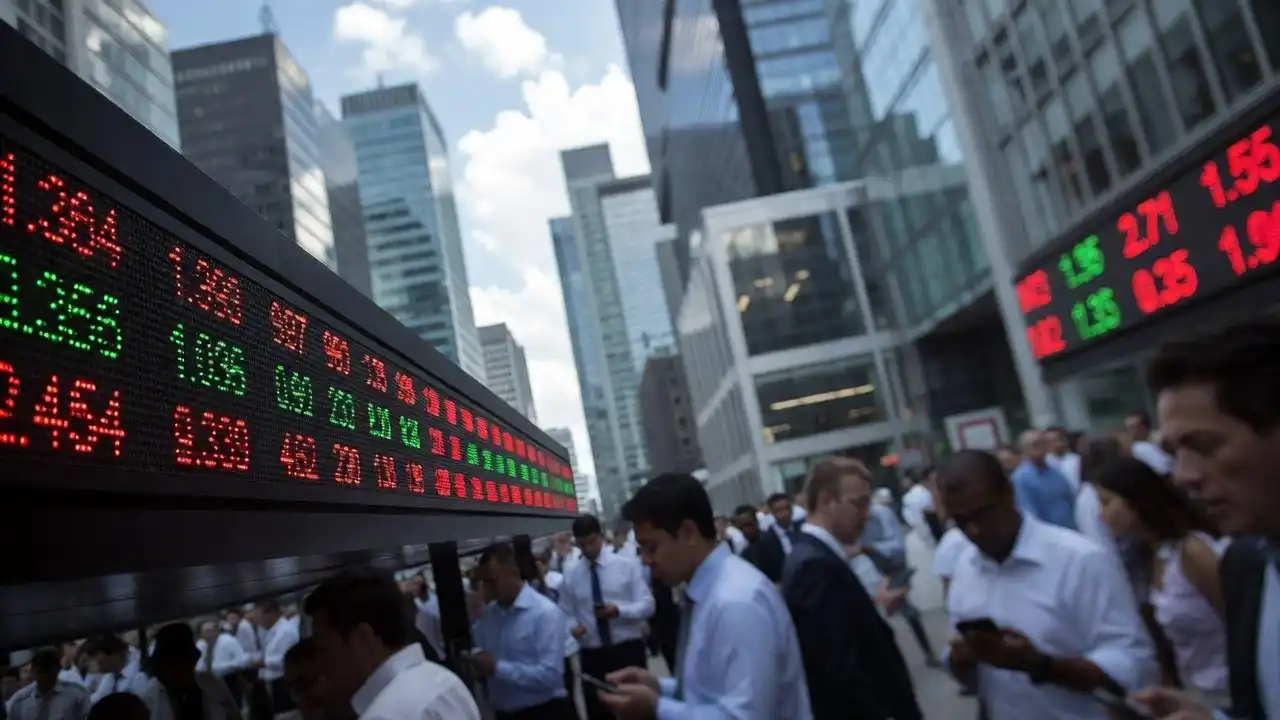
Investors riding a massive stock market hot streak face a harsh reality check as trading resumes in Asia. Financial markets brace for sudden drops after President Donald Trump publicly rejected the latest peace offering from Iran. This sudden collapse of diplomatic talks guarantees that the intense 10-week military conflict will continue, keeping global traders on edge.
Trump quickly dismissed the new Iranian proposal on social media, calling the terms totally unacceptable. According to initial reports, Iran offered to transfer a portion of its highly enriched uranium stockpile to a neutral third country. However, Tehran flatly refused the American demand to dismantle its nuclear facilities completely. Iranian state media immediately disputed these specific details of the negotiations, adding to the confusion surrounding the stalled peace process.
The failed diplomacy highlights the ongoing violence in a war that has already killed thousands of people and driven global oil prices skyward. Just this Sunday, a sudden drone strike hit a commercial cargo vessel off the coast of Qatar in the Persian Gulf. The attack briefly set the ship on fire, reminding the world that vital shipping lanes remain active combat zones.
Financial strategists expect the new trading week to begin with investors dumping risky assets. Last week, global stocks surged to massive heights. Wall Street pushed both the S&P 500 and the Nasdaq-100 to new record highs. Strong corporate earnings fueled this massive rally. Data show that about 82% of S&P 500 companies beat their first-quarter profit estimates, underscoring that the American economy remains surprisingly resilient.
Traders spent the last few weeks piling their money into recent market winners. This aggressive momentum strategy pushed junk bonds, cryptocurrency, and tech stocks to extreme heights. A specific group of semiconductor chipmakers jumped 11% in just five trading sessions. Now, major banking experts warn that this party might end soon. Analysts at Barclays and Goldman Sachs told their clients that these extreme market valuations have historically led to massive sell-offs.
Energy markets continue to fluctuate wildly in response to news from the Middle East. Brent crude, the global oil benchmark, rose 1.2% to settle near $101 a barrel on Friday. Despite that daily jump, the price actually dropped roughly 6% over the entire week. Traders keep a close eye on the Strait of Hormuz, waiting to see if massive oil tankers can safely cross the critical chokepoint.
Ship tracking data offered a small glimmer of hope over the weekend. A massive tanker named Al Kharaitiyat successfully carried liquefied natural gas from Qatar through the Strait of Hormuz. This marked the first energy export from Qatar since the crisis began 10 weeks ago. Market analysts believe that if more ships cross safely this week, energy prices might finally begin to cool down.
Trump previously proposed a simple deal to restart global trade. He demanded that Iran permit safe passage through the Strait of Hormuz in exchange for Washington ending its strict blockade on Iranian ports within the next month. Because Iran rejected the broader peace deal, the future of these shipping lanes remains completely unknown.
Meanwhile, Americans face an ongoing battle against high living costs. Economists expect fresh consumer price data to prove that inflation remains a serious threat to the United States economy. Financial experts predict a sharp 0.6% increase in the consumer price index for April. The Bureau of Labor Statistics will release this highly anticipated inflation report on Tuesday morning.
The domestic job market continues to expand despite the global chaos. The April jobs report showed employers added 115,000 new workers to their payrolls. This follows an even bigger hiring surge in March. Together, these two months represent the strongest hiring streak since early 2024. The national unemployment rate held perfectly steady at a low 4.3%.
The Federal Reserve watches all these numbers closely. Financial markets expect the central bank to keep interest rates steady for now. Officials want to wait and see how the sudden oil price spikes affect the broader economy before they make any major policy changes. The central bank desperately wants to bring inflation back down to its standard 2% target.
High energy prices make that 2% goal incredibly difficult to reach. Top investment officers warn that the closed shipping lanes create a massive challenge for American policymakers. If gas and shipping costs keep rising, everyday consumer goods will only get more expensive. Financial experts warn that while the Federal Reserve is holding steady for now, the central bank might eventually raise interest rates if inflation spirals out of control again.