

Key Points:
- Australia is actively investigating major tech platforms like Meta and TikTok for failing to enforce a new social media ban on children under 16.
- Companies caught breaking the strict new rules face massive penalties of up to 49.5 million Australian dollars, which equals about $34 million.
- A recent regulator report revealed that nearly 33 percent of parents say their children still use social media accounts despite the December ban.
- Other nations, including Spain, Malaysia, and the United Kingdom, are watching the Australian experiment closely to see whether they should pass similar laws.
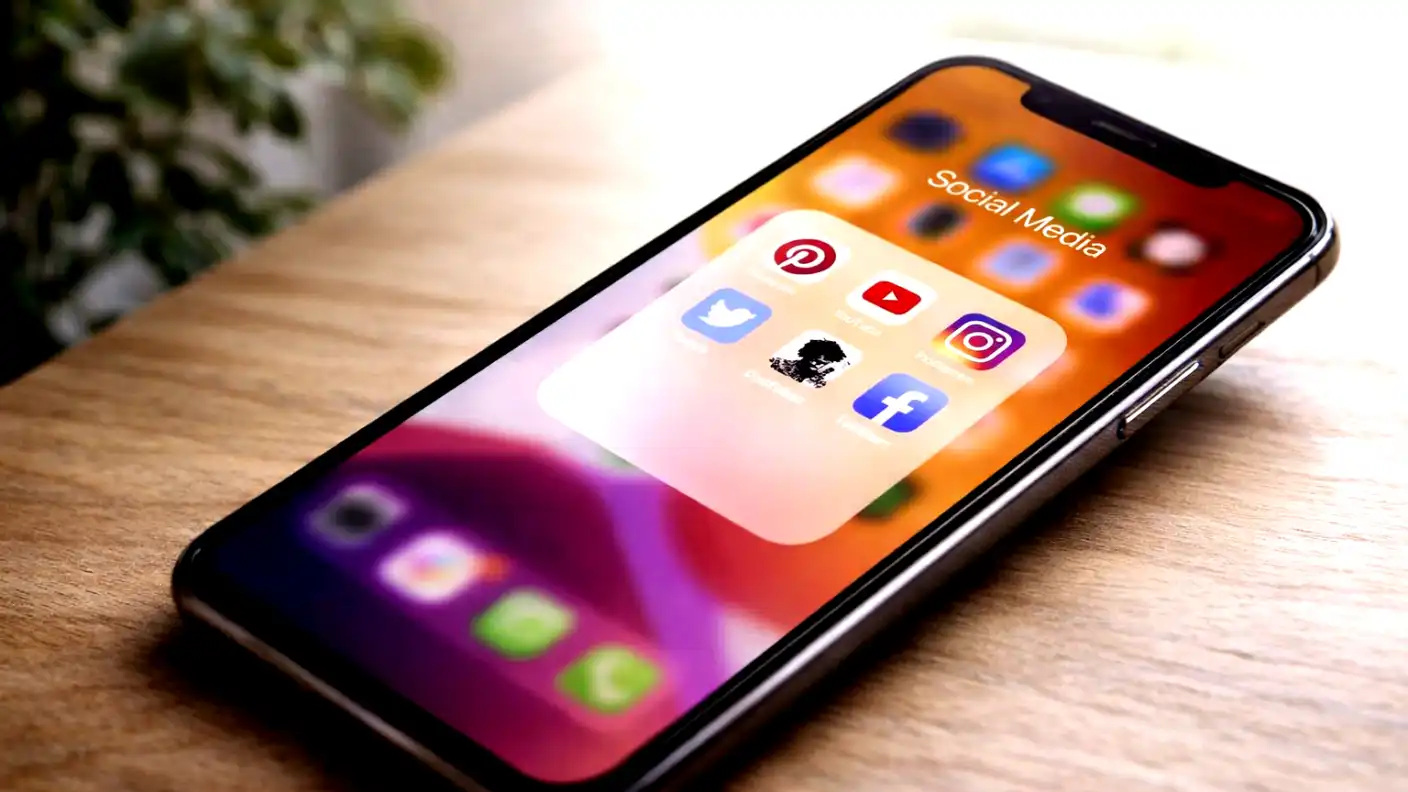
Australia banned children under 16 from using social media in December. Now, the government faces a tough challenge. Kids still use the apps, and leaders from Spain to Malaysia watch closely to see what happens next. Prime Minister Anthony Albanese and his government decided to ramp up enforcement this week. They want to prove their strict new laws actually work against massive tech companies.
The entire world treats Australia as a massive testing ground. Tech policy experts explain that the government cannot back down now. Jeannie Paterson, a digital ethics expert who advises the government, said officials look weak if they pretend the rules work perfectly. Instead, they must take aggressive action. Politicians in the United Kingdom, Canada, and the United States frequently contact Australian authorities to monitor the ban’s progress.
On Tuesday, the government announced an official investigation into several major platforms. The eSafety regulator targets Meta, which owns Facebook and Instagram, as well as TikTok, Snapchat, and Alphabet’s YouTube. The watchdog actively gathers evidence of legal breaches and prepares for possible legal action. If the government proves these companies ignored the law, the platforms face fines reaching up to 49.5 million Australian dollars, or roughly $34 million.
The aggressive push follows a very disappointing compliance report. Back in mid-January, the government bragged that companies deactivated 4.7 million suspected underage accounts. However, the new regulator report tells a different story. Nearly 33 percent of parents admit their children still operate at least one social media account. Worse, two-thirds of those parents said the apps never even asked their child for an age check.
The system contains massive technical loopholes. Kids easily bypass the current rules. The eSafety report noted that platforms allow minors to retake the age-verification tests repeatedly until they finally pass. Also, parents complain that they cannot easily notify platforms when they find an active underage account. The report highlighted that complaints about cyberbullying and image-based abuse remained completely unchanged since December. The government originally promised the ban would fix these exact problems. Communications Minister Anika Wells directly blamed Big Tech for the failures. She stated that the companies actively undermine the government policy rather than helping parents protect their kids.
The response from the technology industry remains mixed. Representatives for Meta and Snap stated that they remain committed to complying with the Australian ban. Meanwhile, TikTok refused to comment on the investigation, and Alphabet completely ignored requests for answers. Tech companies originally expected a one-year grace period to fix their systems, but the government clearly ended that leniency. Angela Flannery, a former general counsel for the government, explained that officials felt disheartened by the compliance report. She believes leaders want to take loud public action to encourage other countries to enact similar bans.
Recent legal battles in the United States give Australian leaders extra confidence to fight Big Tech. Last week, an American jury ordered Meta to pay a massive $375 million penalty for safety failures that allowed child exploitation on its platforms. Another court decision found Meta and Google negligent for designing digital spaces that actively harm young people.
These American court victories help shift public opinion against social media companies. Julian Sefton-Green, a new media professor studying the ban, believes these jury decisions give the Australian government the courage it needs to push harder. Ultimately, strict Australian laws and expensive American lawsuits might force platforms to redesign their entire systems. If companies change their core designs to avoid lawsuits in the United States, they will likely apply those same safety features worldwide.






