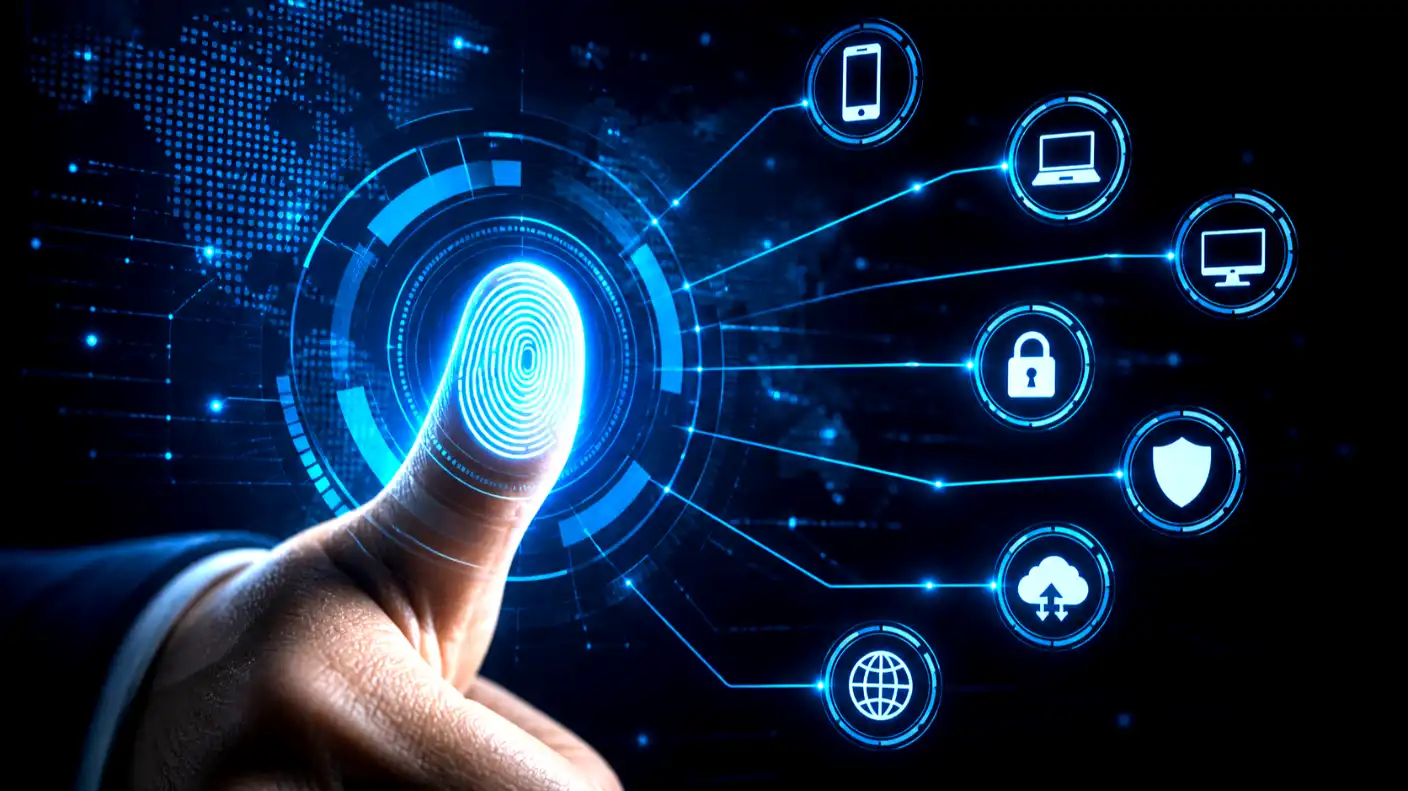
We unlock our phones with a glance and use our fingerprints to access bank accounts in seconds. Biometric authentication—the use of our unique physical traits to verify identity—promises a frictionless future. It feels like magic, replacing clunky passwords and easily forgotten security codes. Yet this convenience comes at a heavy price. Unlike a password, you cannot change your face or your fingerprint if a system gets hacked. As we rush to replace traditional security with biological signatures, we must confront the massive ethical risks that follow this technological shift.
The Permanence of Biological Data
The biggest danger of biometrics lies in its permanence. If someone steals your password, you reset it. You change the sequence of characters, and you move on with your day. If hackers steal your biometric data, you cannot simply go out and get a new set of eyes or a fresh set of fingerprints. Once this data falls into the wrong hands, it remains compromised forever. Companies often market these systems as “unhackable,” but reality shows otherwise. Every database serves as a target, and the permanence of our biological traits makes them the most sensitive data on the planet.
The Growing Threat of Mass Surveillance
When governments and corporations combine biometric data with high-speed cameras, they create a permanent tracking system. Imagine walking through a city where every street corner instantly identifies you. This technology erodes the ability to remain anonymous in public spaces. While some argue that this helps catch criminals, it also gives authorities the power to monitor everyone, including activists, journalists, and everyday citizens. Once we normalize the use of facial recognition for convenience, we lose the social freedom that comes from being able to walk through the world without a constant, digital check-in.
Unconscious Bias in Recognition Systems
Biometric algorithms do not see the world as humans do. They rely on datasets trained by humans, which often contain deep-seated biases. Studies show that many facial recognition systems struggle to identify people of color, women, and individuals with different physical traits with the same accuracy as they identify white men. When companies deploy these tools in places like job interviews, security checkpoints, or law enforcement, they turn technical errors into real-world discrimination. Using faulty tech to judge human identity creates systemic inequality, and we have little recourse when an algorithm misidentifies someone.
The Risk of Data Function Creep
“Function creep” occurs when a system designed for one purpose gradually expands to encompass everything else. We might accept a fingerprint scan to enter a secure office building. Still, that same company might later use that data to track our breaks, monitor our productivity, or even sell our habits to insurance companies. Once the data exists, someone will always find a way to monetize it. We need strict laws that prevent companies from moving our data between departments. Without clear boundaries, our biological traits will eventually become tools of corporate control rather than mere security keys.
The Lack of Informed Consent
Do we really “consent” to facial recognition when we walk into a concert venue or a grocery store that uses tracking cameras? In many cases, these systems scan our faces without us ever signing a form or having a choice. We lose our right to opt out simply by participating in modern life. Digital platforms force this interaction, making biometric collection feel like a mandatory tax on existence. True ethics requires that people have the power to say “no.” If a company cannot provide a secure alternative to biometrics, they have no business forcing that system on the public.
The Problem with Remote Authentication
Remote biometric checks have become the standard for opening bank accounts or verifying identities online. While this helps stop identity theft, it also creates a dangerous vulnerability. When we send our biometric data over the internet, we trust that the server at the other end will protect it. If that server sits in a country with weak privacy laws, our most personal identifiers become global commodities. We need international standards that dictate how long these companies can hold our data and exactly where they store it. Treating biometric data like an ordinary file stored in the cloud is a mistake we cannot afford.
Protecting Identity in a Digital World
We must demand that developers prioritize “privacy by design” when building biometric tools. This means processing the data locally on the user’s device rather than uploading it to a central server. When your phone stores your fingerprint data in its own chip, hackers cannot steal it from a massive, centralized database. This approach keeps the individual in control. It puts the power back in the user’s hands, where it belongs. We have to stop accepting the “upload everything to the cloud” model that tech companies favor for their own profit.
Conclusion
Biometric authentication offers us incredible speed, but it also asks us to risk our most fundamental sense of self. We must decide what kind of world we want to live in—one where our bodies serve as keys for corporations to track us, or one where we use technology to protect our privacy while still enjoying modern conveniences. We need stricter laws, better design, and a healthy dose of skepticism toward the “convenience first” narrative. Convenience is nice, but it is never worth sacrificing our permanent, biological privacy. If we do not act now to regulate these tools, we will soon lose the ability to reclaim our own identity from the machines.