Key Points:
- Roche agreed to buy the American artificial intelligence company PathAI for a massive $750 million upfront cash payment.
- The contract includes another $300 million in potential bonus payments if the technology firm hits specific business milestones.
- PathAI will officially join Roche’s large global diagnostics division in the second half of 2026.
- The two healthcare businesses had worked closely together for 5 straight years before deciding to combine their operations fully.
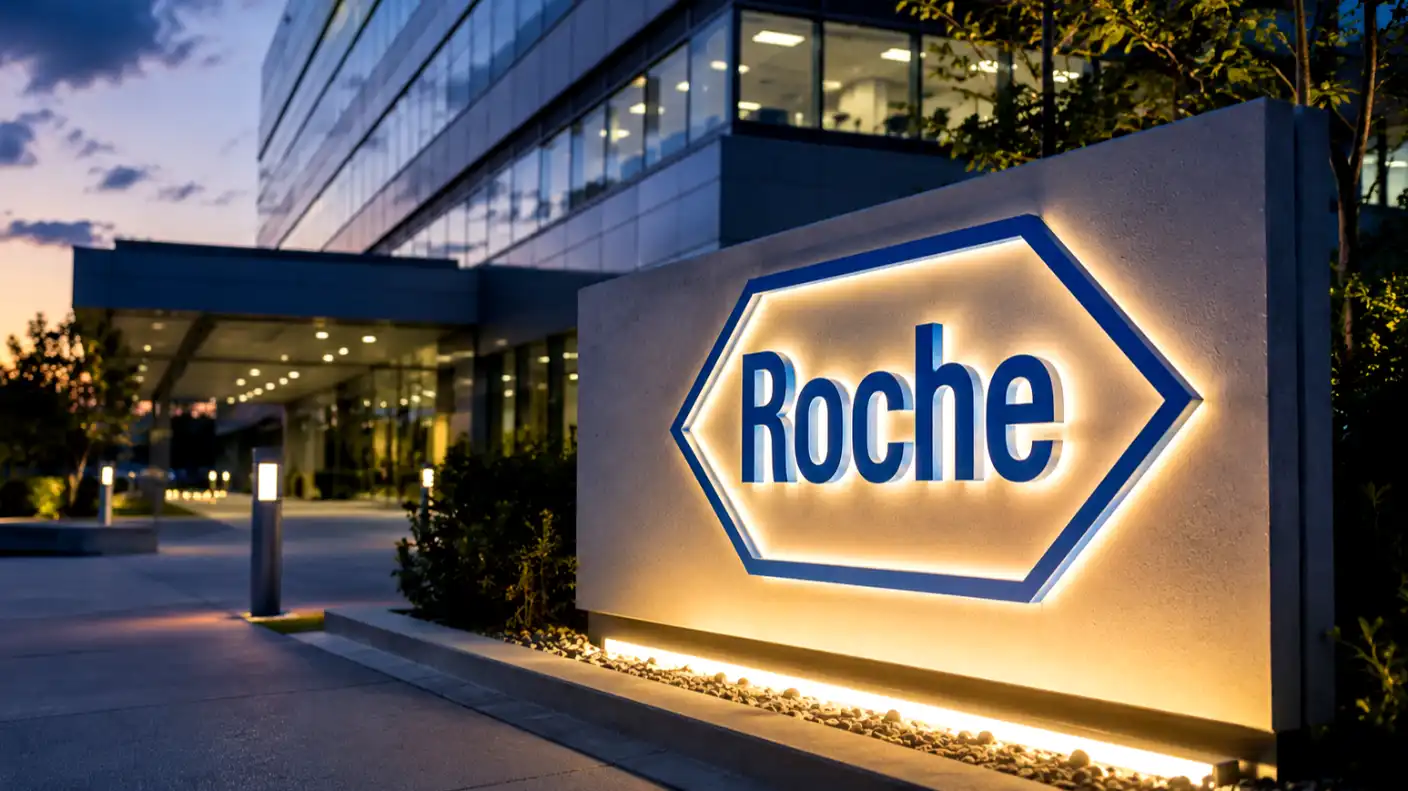
Swiss pharmaceutical giant Roche just made a huge move into the world of artificial intelligence. On Thursday, the company announced a major deal to acquire PathAI, an American technology firm focused entirely on digital pathology. Roche will hand over $750 million in cash upfront to secure the Boston-based company. The contract also includes up to $300 million in extra milestone payments if PathAI meets certain software development goals down the road. This purchase shows exactly how much money big healthcare companies want to spend on modern computer technology.
The massive buyout did not happen overnight. Roche and PathAI already shared a deep working history before company leaders sat down to negotiate this sale. The two businesses ran a highly successful partnership for 5 straight years. They spent that time learning how to mix advanced computer software with traditional medical testing. In 2024, they scaled up their teamwork to build artificial intelligence tools that help doctors choose the right drugs for specific patients. Their long working relationship made a complete corporate buyout the most logical next step.
PathAI specializes in transforming traditional medical workflows into fast, digital processes. For decades, doctors called pathologists have stared through physical microscopes to look for cancer cells on tiny glass slides. This manual work takes a massive amount of time and leaves room for human mistakes. PathAI writes smart software that scans high-resolution digital copies of these slides and automatically detects diseases. The computer programs can find tiny patterns that a human eye might easily miss after a long shift at the hospital.
Roche plans to slide its new acquisition right into its massive global diagnostics division. The Swiss company already makes and sells thousands of physical testing machines and lab supplies to hospitals worldwide. By owning PathAI outright, Roche can add high-end software directly into the lab equipment it already sells. The official merger will take some time to clear normal legal and regulatory hurdles. Both sides expect the deal to close sometime in the second half of 2026 officially.
Company leaders expressed intense excitement about what this new technology means for everyday patients. Matt Sause, the chief executive officer of Roche Diagnostics, explained the real-world value of the deal in a public statement. He noted that digital pathology has the power to improve how doctors diagnose cancer significantly. He believes that providing physicians with precise details about a tumor will enable them to offer highly tailored treatment plans. Better diagnosis almost always leads to a much better chance of survival for the patient.
The financial structure of the deal protects Roche while offering huge financial rewards to the PathAI team. The initial $750 million payment guarantees that Roche owns the core technology and patents today; however, the extra $300 million is held in a performance-based pool. The PathAI engineers must complete development of new software tools and secure approval from national health regulators to unlock that extra cash. This clever setup keeps the original software developers motivated to work hard even after the big pharmaceutical company takes full control.
PathAI will keep its home base in Boston, Massachusetts. This city is one of the largest medical and technology hubs in the United States. Roche knows that forcing the American software developers to move to Switzerland would likely cause many top engineers to quit their jobs. By keeping its Boston office, the Swiss giant maintains direct access to a steady stream of brilliant computer science graduates from nearby colleges.
This billion-dollar deal highlights a massive shift across the entire medical industry. Rival drug makers and testing companies currently spend billions of dollars to acquire similar software start-ups. Everyone wants to own the algorithms that will run the modern hospitals of the future. Artificial intelligence currently helps discover new drugs, predict patient sickness, and manage hospital workflows. Roche simply decided to buy a proven winner rather than build its own internal software team from scratch.
The medical world calls this new approach precision medicine. In the past, doctors gave the same standard drug to almost everyone who had a certain type of cancer. Today, doctors want to know the exact genetic makeup of a specific tumor before they write a prescription. PathAI builds the exact visual tools doctors need to make those detailed choices. When Roche pairs these digital tools with its own cutting-edge cancer drugs, the company creates a very powerful and profitable business combination.
Investors and doctors alike will watch closely over the next few years to see how well the integration works. Merging a fast-moving software company with a massive, traditional pharmaceutical giant often brings unique management challenges. However, the 5-year test run gave both sides plenty of time to learn exactly how the other operates. When the ink finally dries in late 2026, Roche hopes to set a brand new global standard for digital health and modern cancer care.