Key Points:
- United States energy company Caturus raised $9.75 billion to build the Commonwealth LNG export facility in Louisiana.
- The Canada Pension Plan Investment Board invested $1.2 billion to increase its total company ownership to 31%.
- The new plant will produce 9.5 million metric tons of liquified natural gas every year starting in 2030.
- Long-term supply contracts guarantee buyers will purchase the fuel, generating $3 billion in annual export revenue.
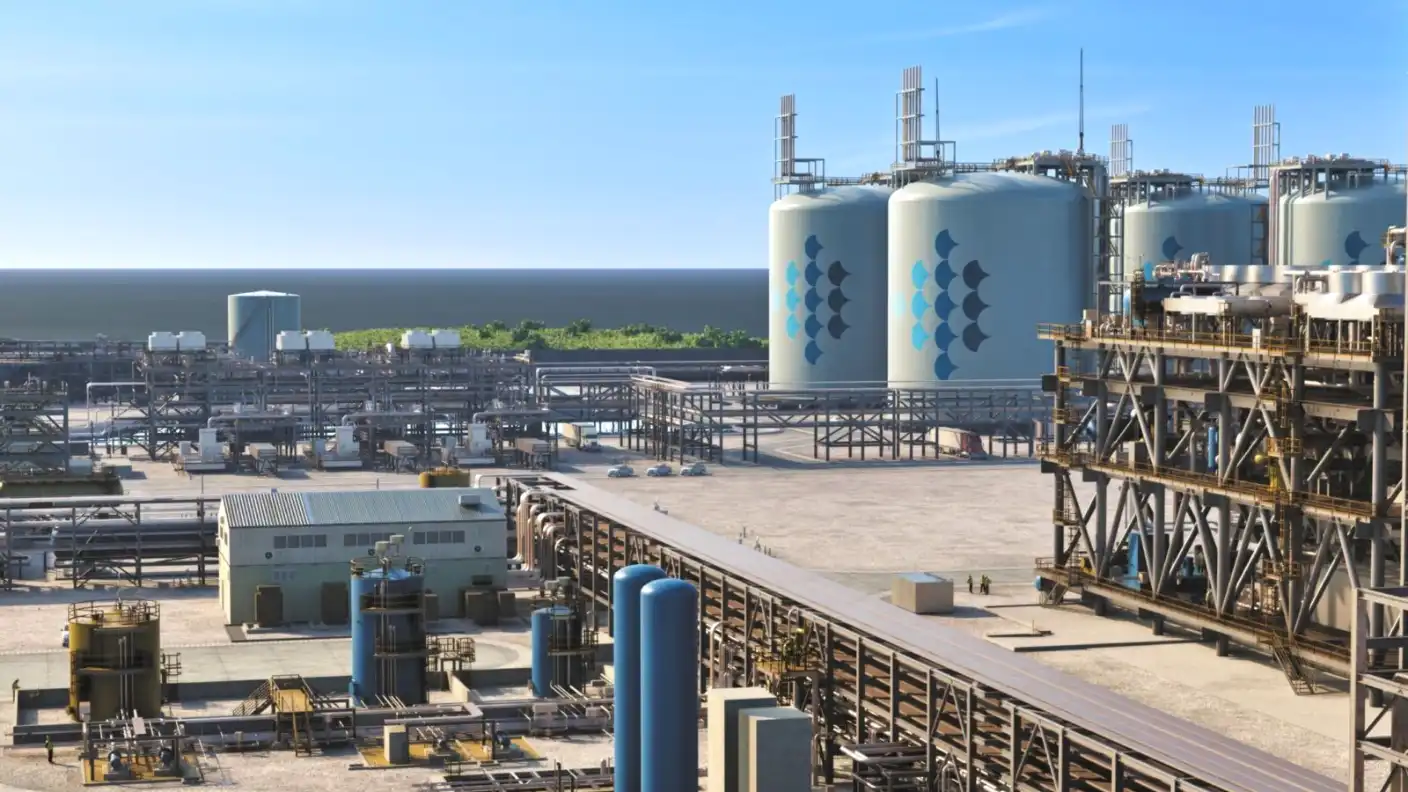
United States energy developer Caturus gave the final green light to build a massive liquefied natural gas facility. The company successfully raised $9.75 billion to fund the complete construction of the plant. Mubadala Energy announced the massive financial milestone early Friday morning. Caturus will build the sprawling export terminal in Cameron Parish, Louisiana, right along the strategic Gulf Coast.
Massive global investors pooled their money together to make this ambitious energy project happen. Mubadala Energy operates as a powerful investment arm for a sovereign wealth fund based in Abu Dhabi. This Middle Eastern financial group holds a 24.1% ownership stake in Caturus and contributed heavily to the new construction financing. Their involvement shows strong international confidence in American energy exports.
North American investors also played a huge role in getting the project off the ground. The Canada Pension Plan Investment Board poured a staggering $1.2 billion directly into the Louisiana facility. This massive cash injection increased the Canadian pension fund’s total ownership stake in Caturus to 31%. Kimmeridge, a prominent energy investment firm, also supplied crucial funding to help the developers reach their final financial goal.
The partners call this new export facility the Commonwealth LNG project. Once workers finish building the complex, the plant will have the capacity to produce exactly 9.5 million metric tons of liquefied natural gas every year. Engineers will take natural gas from domestic pipelines, cool the fuel to extremely low temperatures until it turns into a liquid, and pump it onto massive ocean tankers for global delivery.
Caturus already knows exactly who will buy all this expensive fuel. The developer secured several long-term supply contracts long before breaking ground on the dirt site. Energy trading giants like EQT LNG Trading, Glencore, and Mercuria signed binding deals to purchase the gas. Major foreign players also secured their share of the future supply. Petronas of Malaysia and Aramco Trading of Saudi Arabia are both locked into long-term delivery agreements.
Mubadala Energy stated that company executives expect the Commonwealth LNG facility to begin operations in 2030. Securing these major buyers early guarantees steady cash flow the moment the plant starts its cooling compressors. Financial experts project the facility will generate roughly $3 billion in pure export revenue every single year it operates. This massive cash flow will provide a huge return on investment for the original financial backers.
The project arrives at a highly critical time for global energy markets. The United States currently stands as the largest exporter of liquified natural gas in the entire world. American energy companies play a vital role in supplying reliable fuel to energy-hungry nations across Asia and Europe. Countries around the world desperately need dependable energy partners as global conflicts disrupt traditional shipping routes and supply chains.
The ongoing war in the Middle East has completely fractured the global energy landscape over the last year. The conflict involving Iran took a massive amount of natural gas supply completely offline. Because buyers cannot rely on Middle Eastern shipments right now, global liquefied natural gas prices remain incredibly high. Asian nations specifically struggle to find enough affordable fuel to power their electrical grids, heat their homes, and run their manufacturing hubs.
Facilities like Commonwealth LNG will help plug the massive supply holes in the global energy market. Foreign governments view American natural gas as a safe and secure alternative to unstable Middle Eastern suppliers. By boosting daily export capacity along the Gulf Coast, the United States tightens its grip on the international energy trade. This dominance gives American energy producers incredible pricing power on the world stage.
The local economy in Louisiana will also reap massive benefits from this construction project. Building a $9.75 billion facility requires thousands of skilled construction workers, structural engineers, and heavy machinery operators. Over the next few years, the Commonwealth LNG project will bring high-paying jobs and fresh tax revenue to Cameron Parish. Once the plant opens its doors in 2030, Caturus will hire hundreds of permanent staff members to keep the gas flowing safely around the clock.