Key Points:
- A 2-week ceasefire in Iran started on Wednesday, but the Trump administration and Iranian officials immediately clashed over how to reopen the Strait of Hormuz.
- Iran reportedly plans to restrict daily vessel traffic to about a dozen ships, far below the average of 130.
- Financial experts warn that Iran intends to charge a transit fee of roughly $1 per barrel of oil, payable exclusively in cryptocurrency.
- Major shipping companies plan to act cautiously, rushing trapped vessels out of the region rather than sending new ships into danger.
A 2-week ceasefire in Iran officially started on Wednesday, but the peace deal already looks incredibly fragile. The Trump administration and Iranian officials immediately clashed over the exact terms regarding the Strait of Hormuz. President Donald Trump proudly announced a complete reopening of the critical waterway. However, Iran’s initial statement painted a completely different picture. Leaders in Tehran promised safe passage only if ships coordinate directly with the Iranian Armed Forces.
This vital truce appeared to be in immediate jeopardy on Wednesday morning. The semiofficial Fars news agency in Iran claimed that naval forces halted tanker traffic because Israel continued launching military strikes in Lebanon. Adding to the confusion, the Wall Street Journal reported that Iran told international mediators it would severely limit the number of ships allowed to cross. The regime plans to let only about a dozen ships pass through the strait each day. This tiny number represents a tiny fraction of the 130 ships that passed through daily before the war started.
These conflicting reports created massive uncertainty for the global shipping industry. Just hours before the chaos, independent traffic service MarineTraffic reported seeing early signs of vessel activity in the region following the ceasefire announcement. During a press briefing on Wednesday, White House Press Secretary Karoline Leavitt pushed back hard against the Iranian media reports. She called the claims about a traffic halt completely false and stated that any closing of the strait would be totally unacceptable. She also clarified that the United States supports the position of Israel that Lebanon is not part of this specific ceasefire agreement.
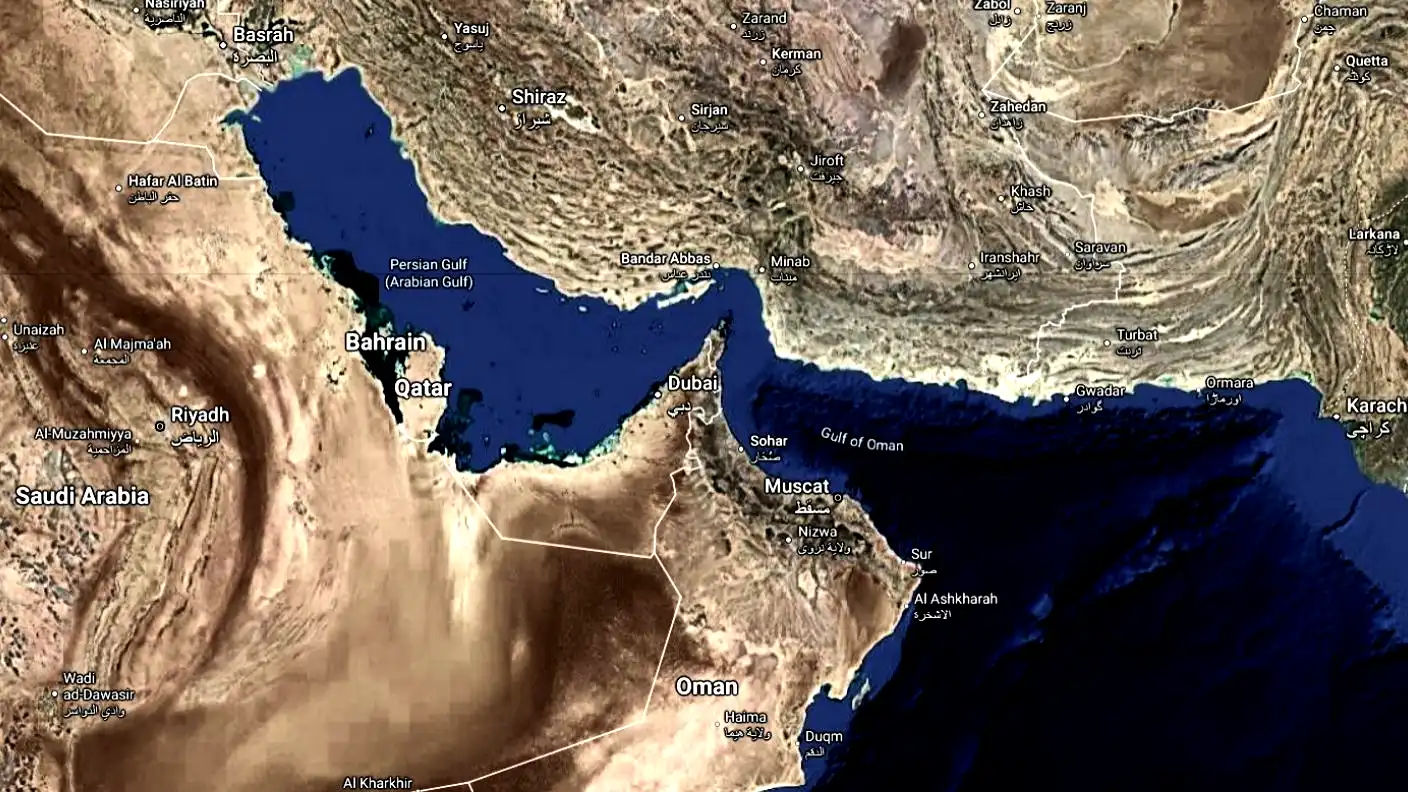
The Strait of Hormuz remains the absolute center of this conflict. Iran has used the narrow, 21-mile-wide waterway as a major point of leverage since the fighting began. Roughly 20.0% of the entire global oil supply passes through this specific chokepoint. Because it holds such massive economic importance, the strait naturally serves as the first major flash point of the truce. Vice President JD Vance publicly acknowledged the tension, calling the current situation a very fragile truce.
Another massive related issue involves money. Iran intends to start charging heavy tolls to anyone using the waterway. On Wednesday, the Financial Times reported that the Iranian government is moving forward with strict plans to charge shipowners a transit fee. The proposed fee could reach $1 per barrel of oil, and Iran wants companies to pay this toll using cryptocurrency to bypass traditional banking sanctions.
Financial analysts at Capital Economics summarized the situation for nervous investors. They wrote that the status of the Strait of Hormuz remains the single most critical issue for global markets. While the proposed Iranian transit fees might only have a modest impact on global energy prices, the analysts warned about the long-term consequences. In practice, allowing Iran to charge these fees could amount to a de facto partial nationalization of an international shipping route.
For the moment, the Trump administration and Iranian leaders take public postures that seem completely irreconcilable. Overnight, Trump announced that the United States will actively help increase traffic in the strait to ensure everything goes smoothly. Leavitt later added that the United States wants to be helpful in any way possible. However, she refused to provide specific details about whether the military plans to place American warships directly near Iranian military installations to protect the cargo ships.
Meanwhile, Iran promises safe passage only if shippers obey the strict commands of its military. A senior Iranian official told Reuters on Wednesday that the reopening remains limited and entirely under Iranian control. While observers noticed a slight uptick in traffic over the past few days, the volume remains far below pre-war levels. MarineTraffic notes that hundreds of commercial vessels remain stranded in the region, awaiting clear instructions.
This chaotic dynamic makes the entire energy industry incredibly skittish. Many shipping experts suggest that energy flows will resume very slowly, even if the two nations eventually resolve their initial disagreements. Alan Gelder, a senior vice president at Wood Mackenzie, wrote that vessels filled with crude oil have every single incentive to transit the strait as quickly as their insurance policies allow. However, he noted that it remains completely unclear what transit rate ships can achieve safely.
Gelder predicts that traffic in the Persian Gulf will likely operate on a strict, just-in-time logistics basis. Companies want to avoid getting their expensive ships and crews trapped if the hostilities suddenly resume. Allianz chief economic adviser Mohamed El-Erian echoed this exact sentiment on social media. He stated that shippers feel far more inclined to rush their equipment out of the region than to send brand-new ships into the danger zone. As the stock market gyrates wildly, observers agree that this tense standoff represents the new normal for global trade.