Key Points:
- President Xi Jinping urged the rapid construction of a new energy system to protect national security.
- China remains largely shielded from the ongoing 5-week Middle East war because oil from the Strait of Hormuz accounts for only 5.0% of its energy consumption.
- Coal still powers more than 50.0% of the country, acting as a reliable backup while solar and wind energy expand.
- State companies recently began building a massive solar thermal power plant at an altitude of 4,550 meters in Tibet.
Chinese President Xi Jinping wants to build a new energy system as quickly as possible. Following severe global energy shocks triggered by the war in Iran, the leader of the world’s second-largest economy called for immediate action. He wants to safeguard national energy security by accelerating the construction of green infrastructure. State broadcaster CCTV reported on Monday that Xi directed his government to focus heavily on hydropower development, ecological protection, and the safe expansion of nuclear power plants.
The global energy market currently faces massive disruptions. For 5 weeks, the United States and Iran have engaged in a violent conflict that has paralyzed international shipping. While diplomats currently weigh a peace plan brokered by Pakistan, leaders in Tehran continue to push back against intense pressure to reopen the Strait of Hormuz. Because this crucial waterway remains blocked, countries around the world face skyrocketing oil prices and sudden fuel shortages.
However, China is in a much stronger position to withstand these expensive oil shocks. Energy analysts point out that China’s reliance on Middle Eastern oil remains surprisingly low compared with that of Western nations. In fact, oil imports passing through the Strait of Hormuz account for only about 5.0% of China’s total energy consumption. The country also holds massive emergency oil stockpiles. Instead of relying entirely on imported liquid fuel, the nation powers its massive manufacturing economy primarily through domestic resources.
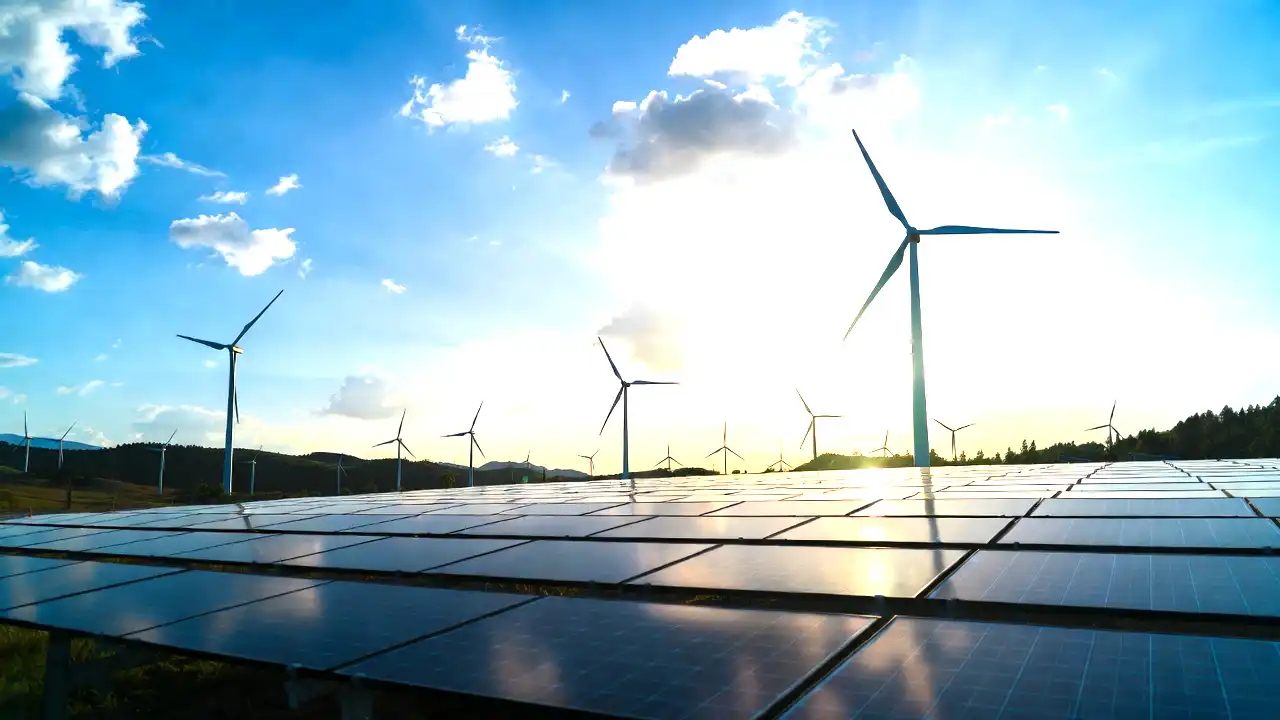
Coal accounts for more than 50.0% of China’s energy mix. While speaking to party officials, Xi praised the early investments his country made in green technology, but he firmly defended the continued use of fossil fuels. He explained that taking the path to develop wind and solar power early on proved to be a very forward-looking decision. At the same time, he made it clear that coal-fired power remains the absolute foundation of the national energy system and must continue to play a strong supporting role.
This heavy reliance on fossil fuels creates tension on the global stage. China currently operates more than 550 of the world’s total coal-fired power capacity. Burning this massive amount of rock makes the nation the planet’s top carbon emitter. Western-led climate initiatives constantly criticize Beijing for building new coal plants. Yet the Chinese government views coal power as a necessary backbone of reliability. They treat these traditional power plants as a flexible backup system that keeps the lights on when the wind stops blowing or the sun stops shining.
Despite defending coal, the president insists that the country must stay fully committed to clean, low-carbon development. He told the ruling Communist Party that a greener, more diversified, and highly resilient energy system will provide a strong guarantee for both energy security and future economic development. The central committee believes it has a firm grasp of where global energy trends are headed, and it plans to dominate the renewable technology sector.
Massive construction projects are already underway to meet these ambitious green goals. Last July, Chinese engineering crews began building what will eventually become the world’s largest hydropower dam. Workers are carving this massive concrete structure into the eastern rim of the Tibetan Plateau, an engineering feat that will generate massive amounts of clean electricity for growing cities.
The push for renewable dominance also extends high into the mountains. On Monday, the state-run Xinhua News Agency announced the start of another record-breaking project. The China General Nuclear Power Group broke ground on a brand new solar thermal power plant. Workers are building this advanced energy facility at a staggering altitude of 4,550 meters in Tibet. By combining massive solar farms, record-breaking dams, and a steady supply of coal, China plans to insulate its economy from the next global energy crisis completely.