Key Points:
- China strongly opposed the European Union’s addition of Chinese companies to its 20th round of sanctions against Russia.
- The new EU package targets third-country suppliers accused of sending high-tech components and dual-use goods to the Russian military.
- China warned that these penalties damage mutual trust and promised to protect its businesses from the restrictions.
- The latest European sanctions also feature a €90 billion loan for Ukraine and strict new rules on Russian energy shipping.
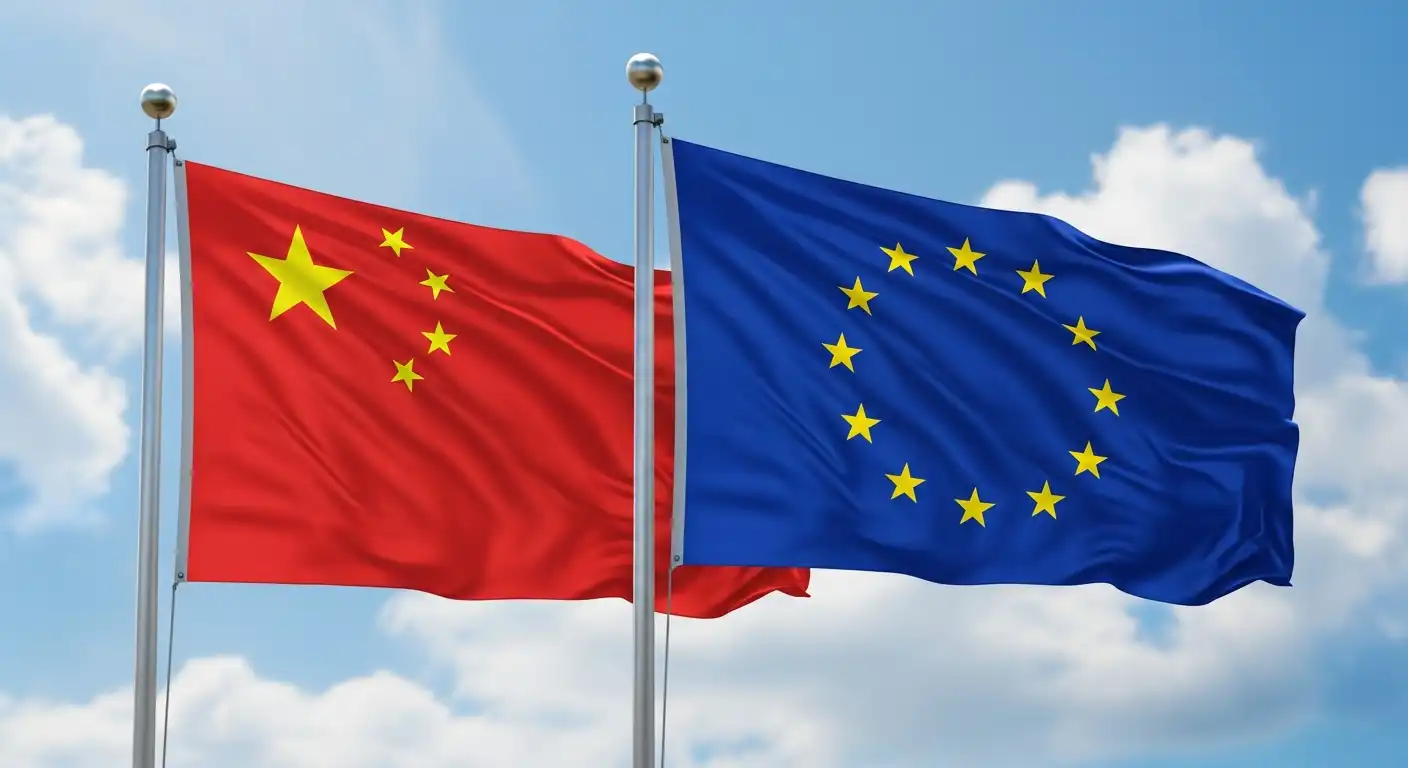
China’s commerce ministry delivered a sharp warning to the European Union on Saturday after the bloc added several Chinese companies to its latest list of penalties against Russia. The ministry expressed firm opposition to the 20th round of European sanctions and demanded the immediate removal of these Chinese businesses from the blacklist. Chinese officials made it clear that they view the move as a direct attack on their domestic industries. European and Chinese markets share a deep connection, moving billions of dollars’ worth of goods every week. Punishing these specific tech companies throws a wrench into a highly complex global supply chain.
The European Union designed this massive new sanctions package to block third-country suppliers from helping the Russian military. European officials accused the targeted Chinese entities of shipping critical high-tech items, dual-use goods, and weapons systems to the Russian military-industrial complex. Dual-use goods are items that have legitimate commercial uses but can also serve a military purpose on the battlefield. Items such as microchips, navigation equipment, and radio parts fall into this category. European authorities believe that stopping the flow of these everyday electronic parts will force Russian factories to halt weapons production. By cutting off these supply lines, European leaders hope to weaken the Russian war effort significantly.
A spokesperson for the Chinese commerce ministry issued a strong public statement condemning the action. The representative stated that the European decision runs completely against the spirit of previous agreements reached between Chinese and European leaders. The spokesperson added that punishing these companies seriously damages mutual trust and threatens the overall stability of their bilateral trade relationship.
China did not simply complain about the situation. The ministry officially warned that the national government will take all necessary measures to protect the legal rights of Chinese companies. The statement ended with a direct threat, warning the European Union that it would bear all the consequences of this aggressive economic maneuver. Beijing has a long history of responding to foreign sanctions by creating its own export limits on rare earth materials and other vital manufacturing components.
The European Union’s 20th round of sanctions covers much more than just third-party suppliers in Asia. The package represents a massive financial and economic strategy to choke the Russian economy. Alongside the new business blacklists, European leaders formally approved a massive €90 billion loan package to support Ukraine. This funding amounts to roughly $105 billion and will cover Ukraine’s most urgent budgetary and defense needs through 2026 and 2027. Around half of this money will flow into the country this year, while the rest will arrive later in the decade.
European officials also took direct aim at the Russian energy sector and its ability to transport oil. The new penalties introduced 36 specific designations across the Russian energy industry. These rules restrict everything from oil exploration and extraction to refining and overseas transport. Energy sales remain the main source of cash for the Russian government, making the sector the primary target for European regulators.
To enforce these energy rules, the European Union cracked down hard on the so-called shadow fleet of ships that move Russian oil around the globe. The bloc blacklisted 46 additional vessels in this latest round of penalties. This aggressive move pushes the total number of restricted shadow-fleet ships to a staggering 632 vessels. The new rules require buyers to conduct strict background checks on tanker sales to prevent Russia from buying more ships.
The sanctions go even further by targeting alternative financial networks and future energy projects. European authorities banned maintenance services for Russian liquefied natural gas tankers and ice-breaking ships. The package also includes a strict ban on direct and indirect trades with Russian crypto service providers. This specific cryptocurrency ban will take full effect on May 24, 2026, cutting off another massive financial lifeline for Moscow.
China completely ignores the broader European strategy and focuses only on the penalties hitting its domestic firms. Chinese leaders continuously argue that their businesses operate legally and do not directly participate in the European conflict. The ongoing dispute over dual-use goods shows the growing tension between two of the world’s largest trading partners. Neither side appears willing to back down from their current positions.
International markets are watching closely as the sanctions take effect to see exactly how China will respond. The promise of necessary measures suggests that Beijing might introduce its own retaliatory trade rules against European goods. For now, the diplomatic relationship between Brussels and Beijing faces one of its toughest tests as the war in Eastern Europe continues to reshape global trade networks. Both regions must navigate a difficult path to prevent a wider trade war while standing firm on their political boundaries.