Key Points:
- BYD outpaced Tesla to become the top-selling electric vehicle brand in the United Kingdom during the first 4 months of 2026.
- Unitree Robotics shipped more than 5,500 humanoid robots in 2025 and controls 60-70% of the quadruped robot market.
- Computer manufacturer PASSION secured the number 1 rank in its price category across the Russian market.
- Chinese companies now focus on high-end technology and cultural heritage rather than just offering low prices to global buyers.
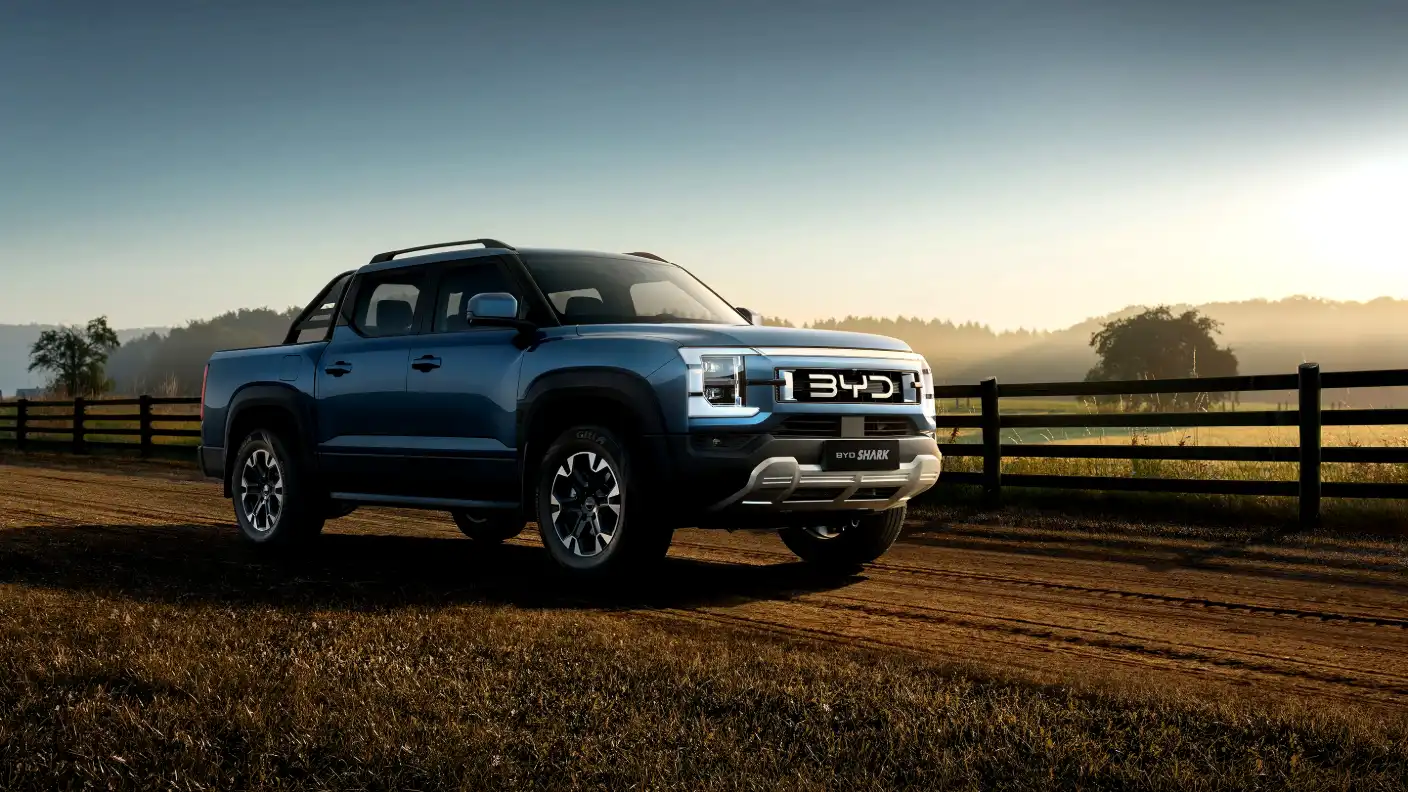
When buyers in the United Kingdom search for electric vehicles online today, they do not see Tesla at the top of their results. Instead, they find BYD. The Chinese automaker rapidly expanded its footprint across the British market and changed how local drivers view imported cars. Data from the Society of Motor Manufacturers and Traders proves this massive shift. The numbers show BYD secured the absolute top spot in the electric vehicle brand rankings during the first 4 months of 2026.
This British success story shows a much larger global trend. A huge wave of Chinese companies is now accelerating their international expansion. These businesses win over foreign shoppers without relying on cheap prices. Instead, they attract loyal customers by offering rapid technological improvements, sharing their cultural influence, and presenting highly confident brand identities.
Leaders showcased this powerful international presence at the 2026 World Brand Moganshan Summit. Organizers hosted the massive event in Deqing, a city in the eastern Zhejiang Province of China. During a special campaign at the summit, voters selected their favorite Chinese brands. The final list featured BYD alongside massive smartphone manufacturer Vivo, premium liquor producer Kweichow Moutai, and technology giant Alibaba.
Hard technology development pushes many of these companies onto the global stage. Unitree Robotics shows exactly how China hits new milestones in the artificial intelligence and hardware sectors. Company founder and chief executive Wang Xingxing spoke directly to the crowds at the main summit forum. He told the audience that his team built the company around pure innovation back in 2016. Wang refused to buy parts from outside suppliers. His engineering teams developed every single core component inside their own laboratories. They built their own electric motors, designed custom sensors, and wrote complex motion-control algorithms from scratch.
This strict independent strategy generates massive profits and impressive sales. Financial reports show Unitree shipped more than 5,500 humanoid robots to customers in 2025 alone. At the same time, the company maintained a complete presence in the global robotic dog market. Unitree currently controls a massive 60 to 70 percent share of the global quadruped robot market.
Beyond complex machines, Chinese companies also use pure cultural resonance to drive their global sales. Zhu Zhengdong offers a unique example of this strategy. Zhu serves as the chairman of Dongfang Xiangtang, a company that produces traditional Chinese incense. He works hard to revive this ancient tradition. He actively opens specialty stores in his country to reach new buyers. Zhu tells his customers that Business School incense offers more than just a nice smell. He uses his products to share Chinese philosophy, deep aesthetics, and cultural history with people living thousands of miles away. Zhu strongly believes that future global luxury brands from China will grow directly from these rich cultural traditions rather than simple factory manufacturing.
Academic experts agree with this new business direction. Wang Weiqiang works as an associate professor at the Zhengzhou University business school. He studies how these companies operate overseas. Wang said Chinese brands currently engage global markets using a highly open and collaborative approach. He noted that a growing capacity for new ideas and a rising cultural appeal drive this modern global expansion.
The global consulting firm Kearney recently published a report detailing this exact economic shift. The firm described how Chinese brands evolved from simple product sellers into complex ecosystem builders. Kearney explained that these companies expanded their global footprints by building international research centers and local manufacturing plants. This aggressive strategy helps Chinese brands integrate directly into local economic systems and strengthens their overall market competitiveness against older established brands.
Corporate leaders working directly in foreign markets feel this truth every single day. You Xinyu works as the chairman of the computer manufacturer PASSION. He proudly announced that his computers currently rank number 1 in their specific price segment across Russia. He watched the Russian market change completely over the past 3 years. You explained that Russian consumers previously viewed Chinese products as cheap knock-offs and low-tier goods. Today, those same buyers view Chinese computers as high-end, premium quality machines.
You knows that many of his foreign customers never traveled to China. He hopes his products act as cultural pioneers that introduce the true quality of Chinese engineering to the rest of the world. The summit organizers chose the theme “Brands Bring Better Future for the World” for the 2026 event. The gathering provided a rare platform for open dialogue between government officials, business owners, university researchers, and industry leaders. These groups spent the event discussing how smart brand development can improve global trade and connect different cultures.