Key Points:
- Chinese Vice Premier He Lifeng will lead a delegation to South Korea to meet US trade officials on May 12 and May 13.
- The upcoming trade talks build on the progress made during a previous leadership summit held in Busan last October.
- President Donald Trump plans to visit Beijing later this week to hold direct meetings with the Chinese leadership.
- A smaller group of top American business executives will travel with the president to discuss ongoing market challenges.
Chinese Vice Premier He Lifeng will travel to South Korea this week to hold crucial trade talks with United States officials. The Chinese Ministry of Commerce announced the trip on Sunday, setting the stage for two days of intense negotiations on May 12 and May 13. This meeting marks a major step in the ongoing effort to repair the fractured economic relationship between the world’s two largest economies.
These new discussions directly follow the agreements reached by the top leaders of both countries at their previous summit. Back in October, officials gathered in the South Korean coastal city of Busan to map out a path forward. During that fall meeting, the two sides agreed to keep the communication channels open and work through their differences. Now, the negotiating teams will meet again to tackle specific economic and trade issues that deeply concern both nations.
While the trade teams argue over specific policy details in South Korea, United States President Donald Trump prepares for his own high-profile journey. Trump plans to visit Beijing later this week to meet face-to-face with the Chinese leadership. A presidential visit to the Chinese capital carries massive diplomatic weight. It shows the world just how much importance both sides place on solving their ongoing financial disputes before the end of the year.
The White House made a surprising choice regarding the guest list for this upcoming trip. The administration invited a scaled-back delegation of chief executive officers to accompany Trump to Beijing. In the past, presidents often brought groups of 40 or 50 powerful business leaders on these international trips. Bringing in a much smaller, tightly focused group of executives suggests the president wants to hold serious, quiet discussions about specific industry problems rather than host a loud public-relations event.
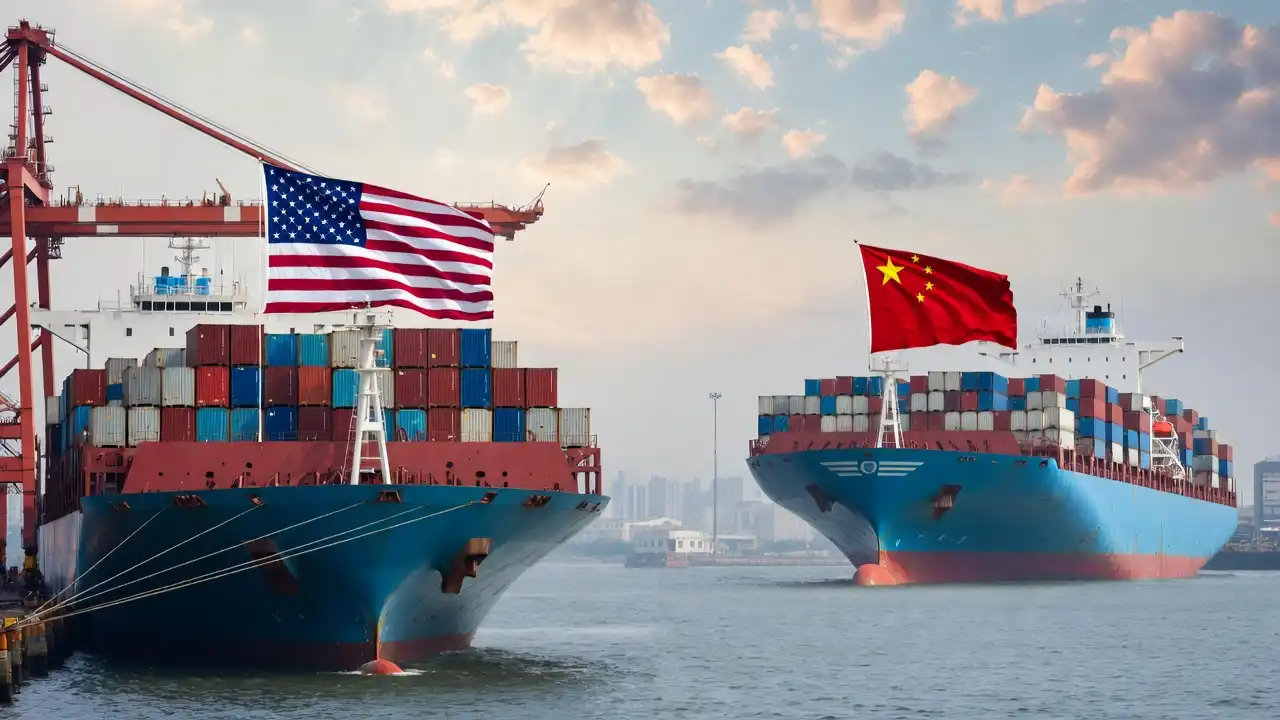
The negotiating teams face a mountain of difficult work. The United States and China trade roughly $500 billion in goods every year. However, harsh tariffs and strict export rules currently block the smooth flow of these products across the ocean. Many American businesses still pay heavy tariffs of up to 25 percent on certain Chinese imports. These extra taxes drive up the final checkout prices for everyday American shoppers buying electronics, clothing, and home goods.
Chinese officials arrive at the negotiating table with a strict list of their own demands. Beijing desperately wants the United States to drop its tough bans on advanced technology. Over the past 3 years, the American government has completely blocked the sale of crucial computer chips and advanced manufacturing equipment to Chinese tech companies. Vice Premier He Lifeng will use these meetings to push hard to reopen these highly profitable trade channels.
On the other side of the table, American negotiators demand better, fairer access to the massive Chinese consumer market. They also want strict new rules to protect intellectual property. American technology companies claim they lose up to $50 billion every year because foreign competitors steal and copy their software and hardware designs. The United States team will demand enforceable legal measures to stop this theft before it agrees to lift any current trade tariffs.
Agriculture also remains a massive sticking point for the two countries. American farmers rely heavily on Chinese buyers to purchase their soybeans, corn, and pork. A few years ago, China bought more than $20 billion worth of American farm products in a single year. The Trump administration wants China to commit to buying those massive quantities again. Securing a huge agricultural purchase agreement would deliver a massive political victory for the president back home.
The entire global financial system will watch these May meetings very closely. When the two largest economies fight over trade, smaller countries feel the financial pain immediately. The ongoing trade war is forcing global supply chains to break down and causing international shipping costs to skyrocket. A solid, fair trade deal between Washington and Beijing would instantly boost the global economy and help calm nervous stock markets from Tokyo to New York.
Reaching a final, lasting agreement will take plenty of time, compromise, and patience. The upcoming May 12 to May 13 talks in South Korea will likely serve as a solid stepping stone rather than the final finish line. However, bringing the top negotiators together right before President Trump lands in Beijing shows that both sides genuinely want to make real progress. If the teams can find common ground this week, they might finally map out a clear path to end this expensive trade war.