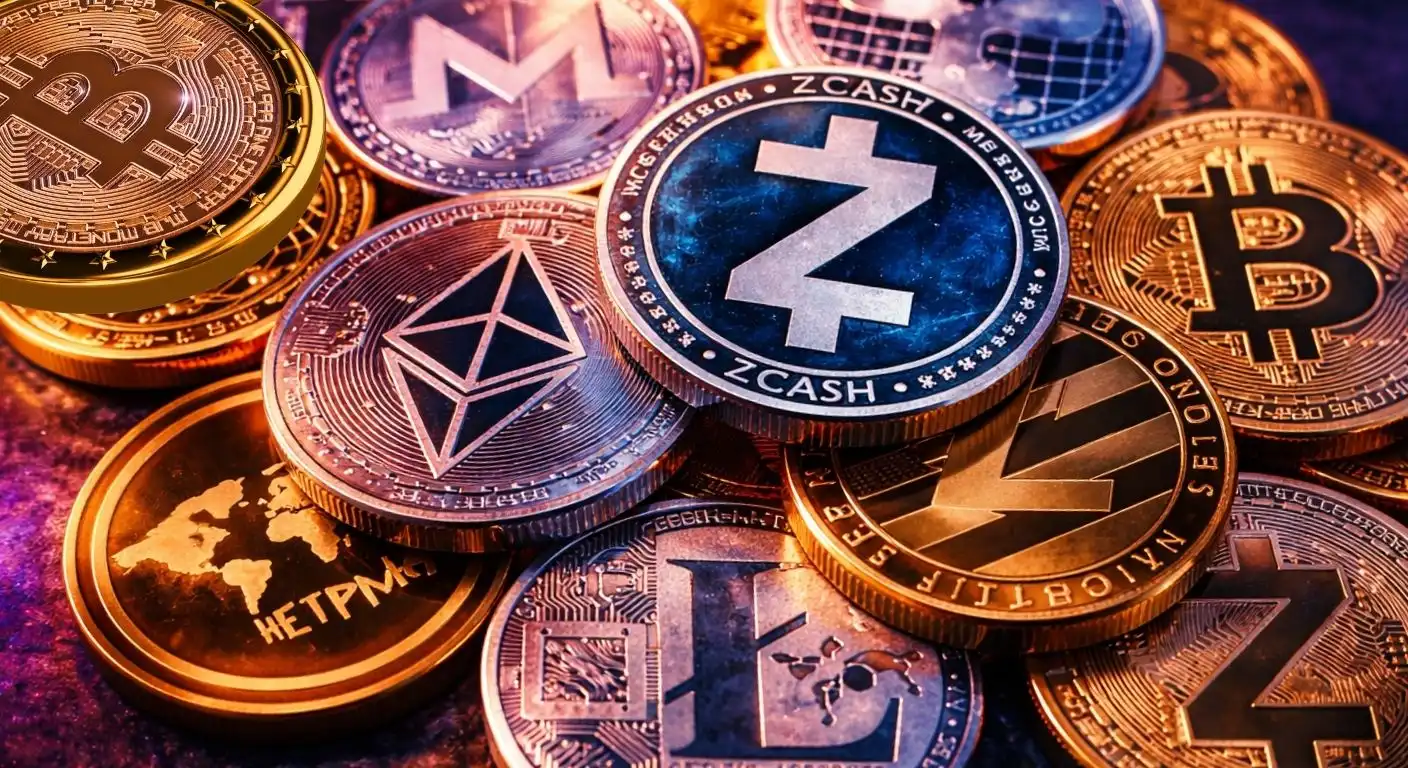
Money once felt solid. You held a gold coin, a silver bar, or a stack of government-printed paper, and you felt certain of its value. Today, however, we live in an era where value exists as lines of code floating in a digital cloud. Crypto assets represent the most radical experiment in the history of global finance. These assets promised to replace traditional banks and offer us a future free from central control. Yet, the reality looks far more chaotic. We see prices that swing wildly in a single afternoon, massive scams that destroy life savings, and constant arguments about the very definition of a “currency.” We must look beyond the hype and ask a hard question: can digital tokens ever serve as a stable foundation for the global economy, or do they simply add another layer of dangerous gambling to an already unstable world?
The Promise of Freedom from Banks
The original vision for crypto assets sounded incredibly noble. The early founders wanted to build a system that bypassed the expensive, slow, and often unfair traditional banking sector. They envisioned a world where anyone with an internet connection could send value to anyone else without asking a bank for permission. This idea resonated deeply with people who live in countries with failing currencies or corrupt financial institutions. For them, a digital token felt like a lifeboat. They saw a chance to store their wealth in a system that no single government could seize or inflate. This drive for financial autonomy continues to fuel the global interest in these assets today.
The Reality of Wild Market Swings
If you measure the success of an asset by its stability, crypto assets currently fail the test. The market behaves less like a currency and more like a volatile casino. A single comment from a famous person or a rumor about a new regulation can wipe out half the value of a digital token in an hour. This extreme volatility makes crypto assets essentially useless for the average person who needs to pay for rent, food, or medical care. You cannot pay for your daily needs with an asset that loses twenty percent of its buying power while you wait in the checkout line. Until we solve the problem of stability, these assets remain a speculative game for the rich, not a tool for the working class.
The Scourge of Digital Scammers
The lack of central oversight creates a massive playground for criminals. Without a bank to freeze a suspicious account or a police force to investigate a stolen transaction, thieves act with near-total immunity. We see “rug pulls,” where developers create a fake project, steal all the money, and disappear into the digital void. We see fake exchanges that steal customer deposits. This lawless environment scares away the average investor who simply wants a safe place to put their money. If we want crypto assets to become a real part of our global future, we must force the industry to build real protection for the people who actually use these platforms.
The Search for the “Stable” Token
Engineers recognized the volatility problem early on, so they invented “stablecoins.” These tokens claim to stay pinned to the value of a real, stable currency like the US dollar or the Euro. They act like a bridge between the wild world of crypto and the safe world of government money. But even these stablecoins carry hidden dangers. A company issuing a stablecoin must prove it holds the actual cash to back up every digital token. Too often, we discover that the “reserve” of cash is missing or tied up in risky investments. We are still figuring out how to build a digital asset that holds its value when the market panics.
Regulatory Pressure Across the Globe
Governments finally stopped watching from the sidelines. They see crypto assets as a threat to their control over the national money supply. From massive economies in the West to growing markets in the Global South, regulators now demand strict compliance. They require exchanges to report suspicious activity and identify every single user. This feels like a double-edged sword. On one hand, it legitimizes the industry and makes it safer for regular people. On the other hand, it forces crypto back into the very bank-like structure that the original creators wanted to escape. We are witnessing the slow “banking” of crypto, where the wild edges get sanded down by government rules.
Using Crypto for Global Payments
The best use for crypto assets has nothing to do with buying them as an investment. It has everything to do with moving value across borders. Sending money from one country to another via traditional banks takes days and costs massive fees. Using a digital token, you can send funds halfway across the planet for pennies in mere seconds. Migrant workers who send money back to their families in Bangladesh or elsewhere use these systems to bypass the greedy, expensive money-transfer services. When we stop viewing crypto as a way to get rich and start viewing it as a way to send money home, it actually serves a vital, human purpose.
The Technology Behind the Hype
We must separate the digital tokens from the underlying technology. Even if every cryptocurrency currently in use fails and goes to zero, the blockchain technology that powers them will change the world. It offers a way to track ownership, verify identity, and move value without needing a central middleman. Many of the most successful businesses in the coming years will use this “distributed ledger” technology to make their own systems faster and more honest. We should stop obsessing over the price of a specific token and start looking at how this technology solves real, physical-world problems in supply chains and legal contracts.
The Psychological Trap of Easy Wealth
The crypto market succeeds partly because it promises an escape from the daily grind of working for a living. It sells the dream that you can become a millionaire by clicking a few buttons on an app. This psychological trap ruins lives. We see stories of families losing their college funds and their retirement savings because they chased the hype. We need a global culture of financial literacy that treats these digital assets with extreme caution. We need to stop romanticizing the “get rich quick” culture and start talking about the very real risk of losing everything.
Conclusion
Crypto assets have not yet replaced our global banking system, and they likely never will in their current, wild form. They currently exist as a high-risk gamble that hides behind a screen of complex, confusing technology. However, the movement proves that millions of people desperately want a new way to interact with money. The future lies in a hybrid system: one that leverages the speed and global reach of digital tokens while anchoring them to the stability and safety of regulated financial markets. We must keep the innovation, but we absolutely must kill the chaos.