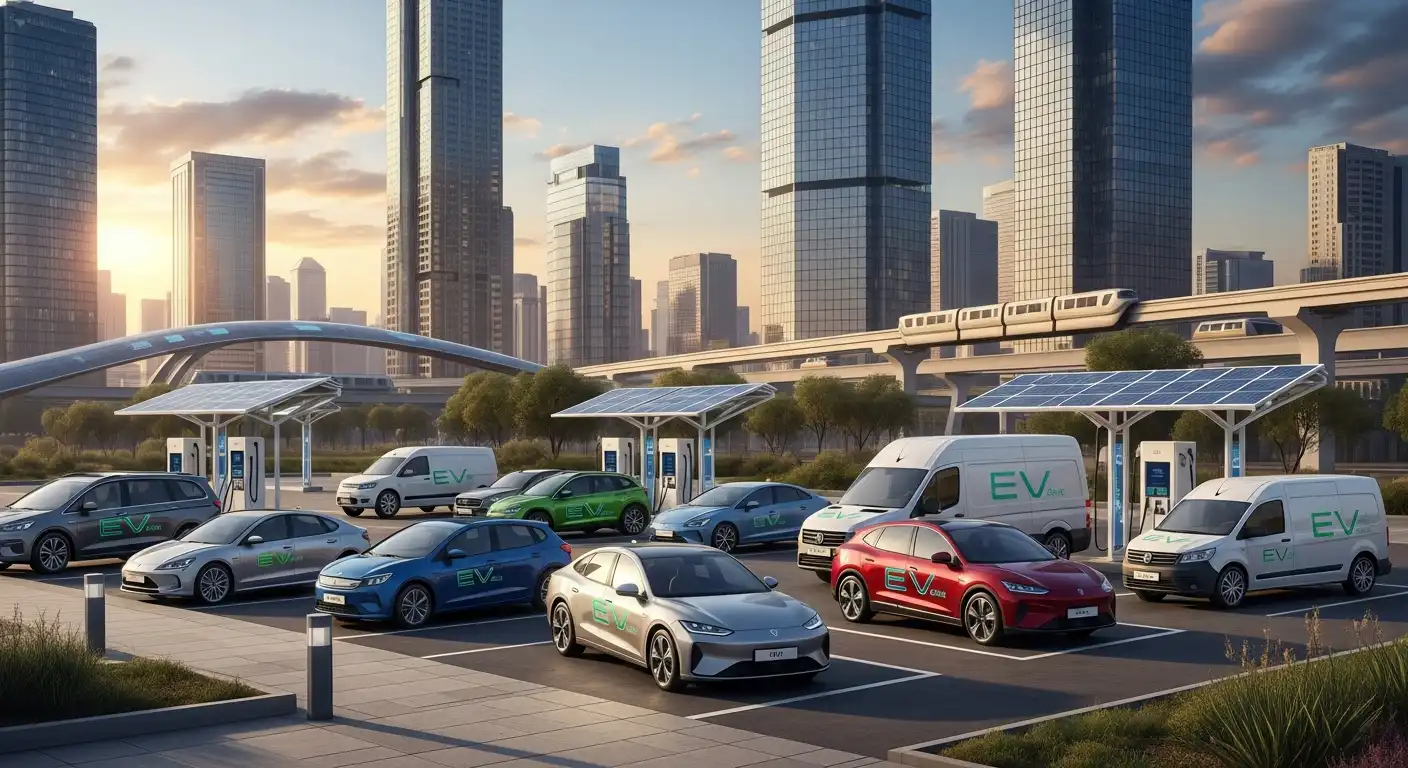
We’ve all seen the commercials. A sleek electric car glides silently through a pristine, green landscape. The message is clear: the great, century-old automakers are on our side, leading the charge into a clean, electric future. They show us their one or two shiny new EVs and promise a garage full of them by 2035. But this is a masterclass in public relations, not a reflection of reality. The slow, half-hearted pivot to electric vehicles by the legacy auto industry isn’t just a business misstep; it’s a profound betrayal of our collective future.
The Addiction to Gas-Powered Profits
The hard truth is that traditional automakers are addicted to the profits from their gas-powered cash cows. For decades, their business model has been perfected around selling massive, high-margin trucks and SUVs. The bigger the engine, the bigger the profit. Electric vehicles threaten this entire ecosystem. They require retooling factories, retraining workers, and building entirely new supply chains. For years, they have viewed the EV transition not as an urgent necessity but as an expensive problem to be delayed for as long as possible. At the same time, they squeeze every last dollar out of the internal combustion engine.
The Illusion of Progress
To keep the public and investors happy, the legacy giants have perfected the art of creating the illusion of progress. They will spend billions developing and marketing a single “halo” EV—an electric Hummer or a Mustang Mach-E—to serve as a green shield for their real business. While these halo cars get all the headlines, the vast majority of their factories continue to churn out the same gas-guzzling vehicles as before. Their press releases talk about a bold electric future, but their production lines tell a story of a company clinging desperately to the past.
Fighting the Future They Claim to Want
This isn’t just a case of slow adaptation; it’s a history of active resistance. For years, these same companies have spent millions lobbying governments to weaken emissions standards and slow down the mandated transition to EVs. They have fought the very regulations that would force them to innovate. Their dealership model is another roadblock, as many dealers are hesitant to sell EVs, which require less maintenance and are therefore less profitable over the long term. They are publicly promising to build the future while privately doing everything they can to slow it down.
A Lost Decade of Leadership
Perhaps the greatest betrayal is the lost time. The legacy auto industry has some of the best engineers and biggest manufacturing operations in the world. They had the capital, the talent, and the market power to lead this transition a decade ago. They could have been the heroes of this story. Instead, they chose to protect their existing profits, ceding the entire field of innovation to a newcomer like Tesla. They weren’t just slow to the party; they tried to cancel it, and only showed up when they realized everyone else was already there.
The Verdict: Followers, Not Leaders
The climate crisis is not a problem for 2035 or 2040. It is a crisis that is happening right now. The slow, reluctant shuffle toward electrification by the companies that did so much to create the problem is not leadership; it’s a calculated business decision that prioritizes quarterly earnings over the health of our planet. They are not steering us into the future; they are being dragged into it, kicking and screaming, with their eyes fixed firmly on the rear-view mirror.