

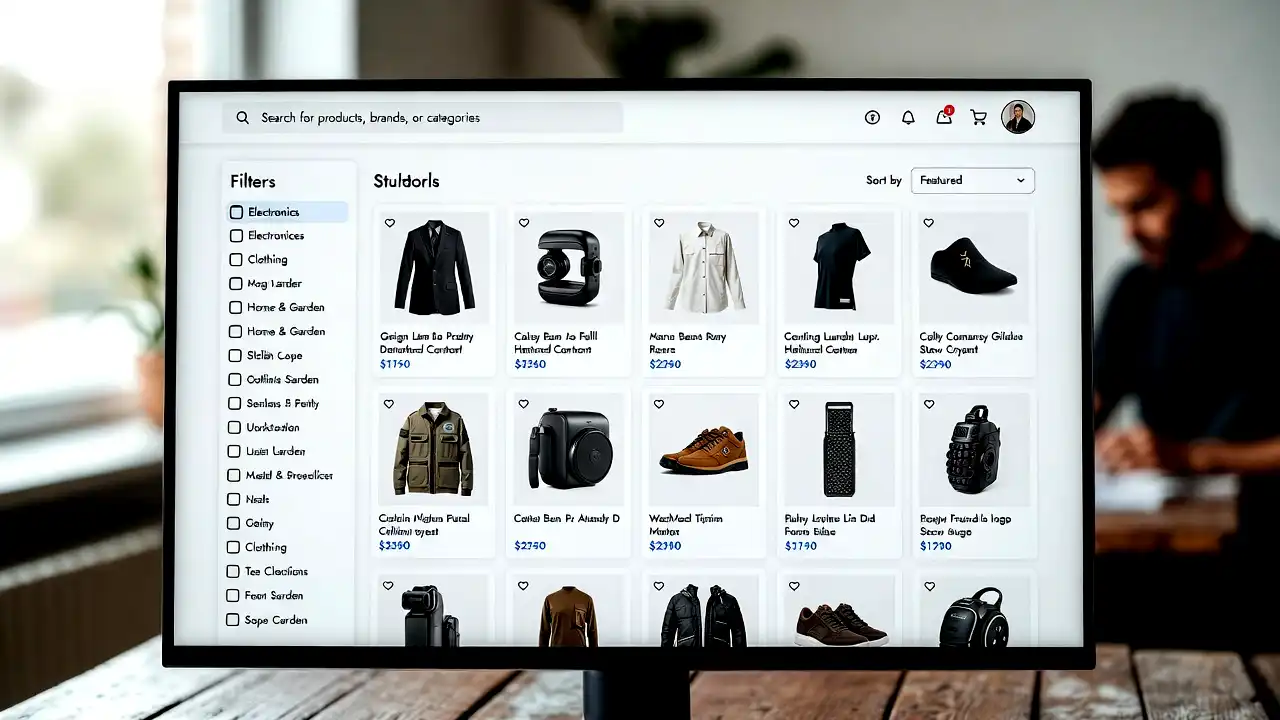
We used to have patience. Ten years ago, ordering a book online and waiting five days for it felt like a miracle. Today, in 2026, if a delivery takes more than twenty-four hours, we cancel the order. We live in an on-demand culture where the gap between wanting something and holding it in our hands has almost vanished. E-commerce is no longer just about convenience; it is about instant gratification. This shift has fundamentally changed how businesses operate, how cities function, and how we value our own time.
The Warehouse Moves Next Door
The biggest change in logistics isn’t faster trucks; it is closer products. Retailers realized that shipping from a giant warehouse three states away takes too long. Now, our cities are dotted with “micro-fulfillment centers.” These are tiny warehouses hidden in basements, parking garages, and empty storefronts right in your neighborhood. When you click buy, the item doesn’t travel hundreds of miles. It travels five blocks. This density allows for the one-hour delivery windows that we now consider standard.
Your House Knows What You Need
We used to make shopping lists. Now, our devices do the thinking for us. Smart shelves and connected appliances track exactly how much coffee, laundry detergent, and dog food we have left. Before you even realize you are running low, a replenishment box arrives at your doorstep. This “zero-click” commerce removes the decision-making process entirely. We trust algorithms to keep our lives stocked. It saves time, but it also turns us into passive consumers who buy the same brands forever simply because the machine suggests them.
The Screen Is the New Fitting Room
For years, the worst part of buying clothes online was the guessing game. You ordered three sizes and sent two back. That wasteful cycle is ending. Augmented reality (AR) technology now turns your phone camera into a magic mirror. You can see exactly how a couch fits in your living room or how a pair of sneakers looks on your feet with near-perfect accuracy. This drastically cuts down on returns. It gives shoppers the confidence to buy big-ticket items without ever setting foot in a physical store.
Shopping Becomes Live Entertainment
We don’t just browse catalogs anymore; we watch shows. “Livestream shopping” has taken over the internet. Influencers and brand hosts demonstrate products live on video, answering questions and offering flash deals that last only minutes. It combines the thrill of a game show with the ease of online checkout. Buying becomes a social event. You aren’t just purchasing a lipstick; you are participating in a community moment with thousands of other viewers. It turns consumption into a form of adrenaline.
The Environmental Cost of Fast
Speed is expensive, and the planet pays the bill. Getting a single tube of toothpaste delivered in two hours requires a lot of packaging and fuel. We are finally seeing a backlash against this waste. Consumers are starting to demand “green slots” for delivery. They group their orders to arrive once a week in a single box rather than getting five separate packages in two days. E-commerce giants are switching to electric van fleets and reusable crates to lower their carbon footprint. The guilt of the cardboard mountain is forcing the industry to clean up its act.
Voice Replaces the Keyboard
Typing is too slow for the on-demand generation. We now simply speak our desires into the air. You tell your smart speaker to order new running shoes, and it uses your past data to pick the right size and style. Voice commerce removes the visual clutter of browsing. You don’t see ads or compare prices; you just get the result. This makes the brand relationship incredibly important. If a customer trusts a specific brand, they will default to it every time they speak a command.
Conclusion
The on-demand economy has conquered the world. We have successfully removed almost every barrier between a consumer and their purchase. While this offers incredible freedom and convenience, it also changes our psychology. We expect the world to bend to our schedule instantly. As we move forward, the challenge for e-commerce isn’t just getting faster. It is about balancing this need for speed with sustainability and ensuring that we still find joy in the things we buy, not just in the act of buying them.






