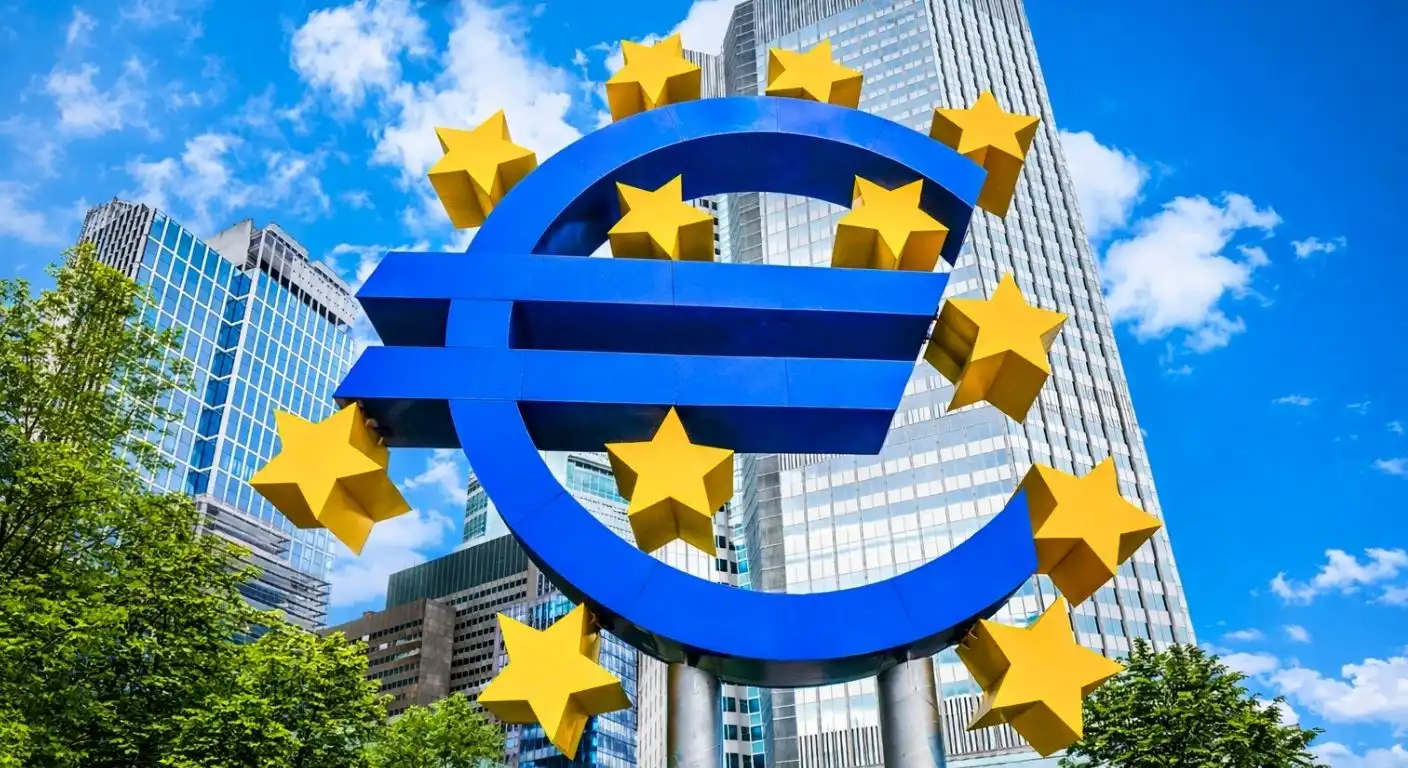
Key Points:
- The ECB will offer euro loans to most global central banks.
- The move aims to challenge the dominance of the US dollar.
- Borrower identities will remain secret to encourage participation.
- South Africa has already expressed interest in using the facility.
The European Central Bank (ECB) is making a bold play to increase the global power of its currency. On Saturday, the bank announced it will offer euro liquidity lines to monetary authorities worldwide. This new system begins in the third quarter and is open to almost any central bank that isn’t under international sanctions.
The goal is straightforward: prevent market panics. By letting foreign banks borrow euros against collateral, the ECB hopes to stop “fire sales.” These happen when countries run out of cash and have to dump their euro assets quickly, which crashes the market.
ECB President Christine Lagarde explained the strategy at the Munich Security Conference. She stressed that the bank needs to give partners confidence. “This means we have to give partners who want to transact in euros the confidence that euro liquidity will be available if they need it,” Lagarde said.
This policy shift also has a political angle. European leaders view this as a chance to challenge the dominance of the U.S. dollar. With American policies becoming more unpredictable under President Donald Trump, Europe wants to offer a stable alternative for global trade and investment.
To make the offer more attractive, the ECB is changing the rules on privacy. Under the new system, the bank will no longer publish the names of specific countries that borrow money. Instead, they will only report the total weekly amount borrowed. This removes the stigma often attached to asking for help.
The funds can now be used for a wider range of needs compared to the old system. Previously, the money was strictly for lending to local financial institutions. Now, central banks have more freedom to use the cash to fix temporary funding gaps.
Interest is already building. South Africa’s central bank governor, Lesetja Kganyago, has signaled that his country is keen to use these lines. He noted that because South Africa does so much trade with Europe, having access to steady euro funding makes economic sense.