

Key Points:
- The European Union officially denied internet rumors claiming it plans to ban Virtual Private Networks.
- Officials plan to roll out a region-wide age-verification app by the end of 2026 to protect minors.
- Confusion started after a research report called privacy software a loophole for bypassing local age restrictions.
- Major providers argue that children rarely buy paid privacy services because they require active credit cards.
Over the past few weeks, a massive panic spread across social media platforms. Users loudly claimed the European Union wanted to ban Virtual Private Networks entirely. People worried this drastic move would destroy online privacy and restrict basic digital freedoms. However, government officials quickly stepped in to clear the air. The entire controversy actually stems from a simple misunderstanding about a new plan to protect children online.
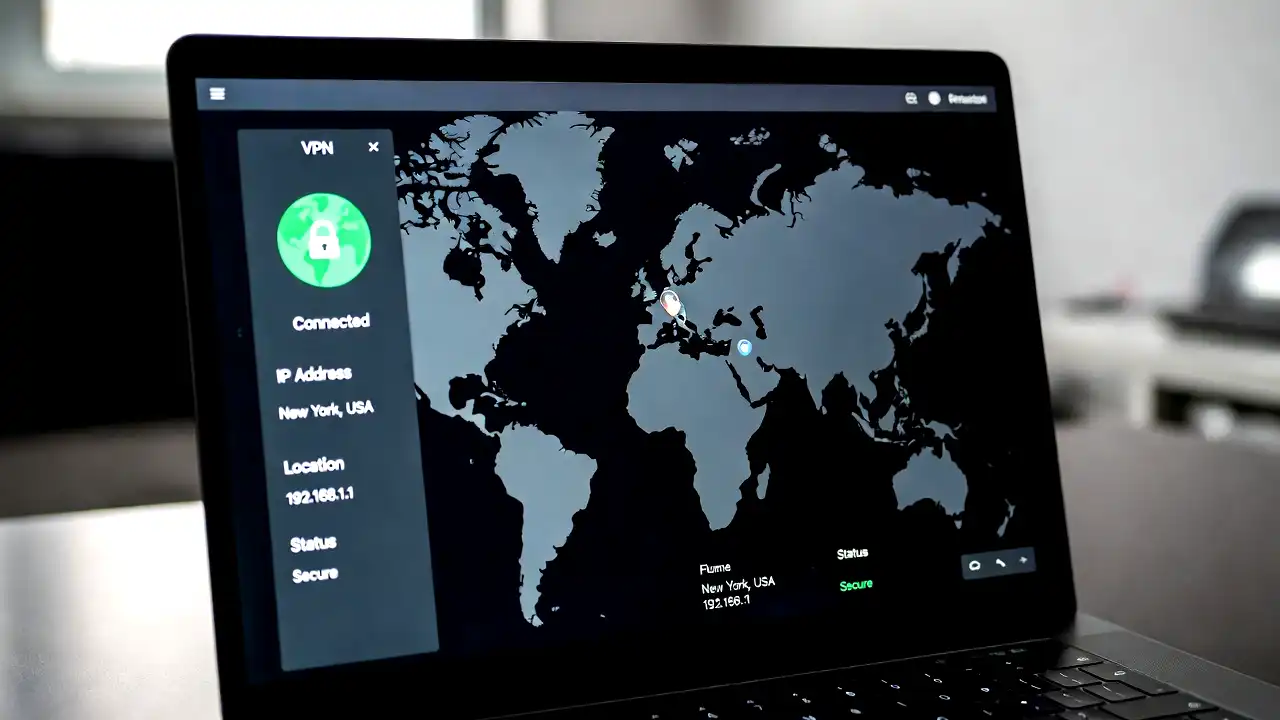
A Virtual Private Network, commonly known as a VPN, is a popular software tool that hides a user’s real internet address. It routes internet traffic through a secure and encrypted tunnel. Many people use these tools to pretend they live in a different country. By changing their virtual location, users can unlock websites, streaming shows, and online services that block visitors from specific regions.
The original confusion started back in January. The European Parliamentary Research Service published a special briefing document. This report examined how teenagers use privacy tools to bypass age-verification systems online. The document called the software a loophole. Almost immediately, internet users read the report and assumed politicians had prepared a strict new law to crack down on everyday privacy software.
In reality, that document holds absolutely no legal power. It does not represent official European Union policy. Researchers simply wrote the briefing to inform politicians and staff members about current technology trends. The report never actually proposed any bans or legal restrictions on how citizens use internet tools.
The rumor mill caught fire again in late April. The European Commission announced plans to launch a new, region-wide age-verification app by the end of 2026. This system aims to stop minors from viewing harmful content, like adult websites. Under this new plan, people would prove their age using an official passport or national identity card before viewing restricted material.
During the announcement, a reporter asked Henna Virkkunen a tough question. Virkkunen works as the European commissioner responsible for tech security. The reporter wanted to know how the government would stop kids from using software to bypass the new app. Virkkunen admitted that no technology works perfectly 100 percent of the time. She explained that the new app serves as just one part of a much larger effort to keep kids safe.
Internet commentators took her response the wrong way and assumed a software ban was coming. Virkkunen had to correct the record quickly. She went on a Finnish financial news show to clarify her words. She stated the new system simply makes it harder for kids to bypass safeguards. Her office officially confirmed they plan absolutely no crackdown on privacy software. A spokesperson added that the government fully supports a free and open internet.
Still, politicians worry about how effective the new age checks will actually be. Christel Schaldemose, a Danish politician working on child protection laws, said the proposed app is a good step forward. However, she warned that overly complicated systems often create more problems than they solve. She worries that if different member states enforce the rules unevenly, smart kids will just download a location blocker to skip the digital roadblocks.
We already see this exact scenario playing out in other countries. The United Kingdom rolled out its Online Safety Act in 2025. The law required certain social platforms and websites to verify the exact ages of their visitors. Right after the law took effect, media outlets reported a massive spike in privacy software downloads. One major provider saw its daily download numbers shoot up overnight as users tried to dodge the new identity checks.
France experienced a very similar situation. The French government introduced much stricter age-verification rules in 2025. In response, the parent company of Pornhub temporarily blocked access to French users as a form of protest. Predictably, French citizens rushed to download privacy apps so they could pretend they lived in a different country and bypass the sudden website blackout.
Companies that sell privacy software insist they are not the problem. NordVPN, one of the biggest names in the industry, explained that paid services naturally keep kids out. Minors need a valid credit card or digital payment method to buy a premium subscription. This strict financial requirement creates a strong barrier that prevents kids from using the service without their parents’ knowledge.
NordVPN representatives added that they see very little evidence of children using premium tools to sneak past age checks. When kids bypass the rules, they almost always use sketchy, completely free applications. The company argued that forcing strict age-verification rules onto paid providers targets the wrong businesses and completely misses the real issue.