Key Points:
- Europe wastes massive amounts of clean energy because it lacks the infrastructure to store excess power.
- Chinese companies control over 80 percent of Europe’s residential battery market and 88 percent of lithium-ion imports.
- The European Union added 12 gigawatts of storage in 2024, but members still need more capacity to meet climate goals.
- Some nations resist European Union control over power grids, with Sweden recently halting a new power cable to Denmark.
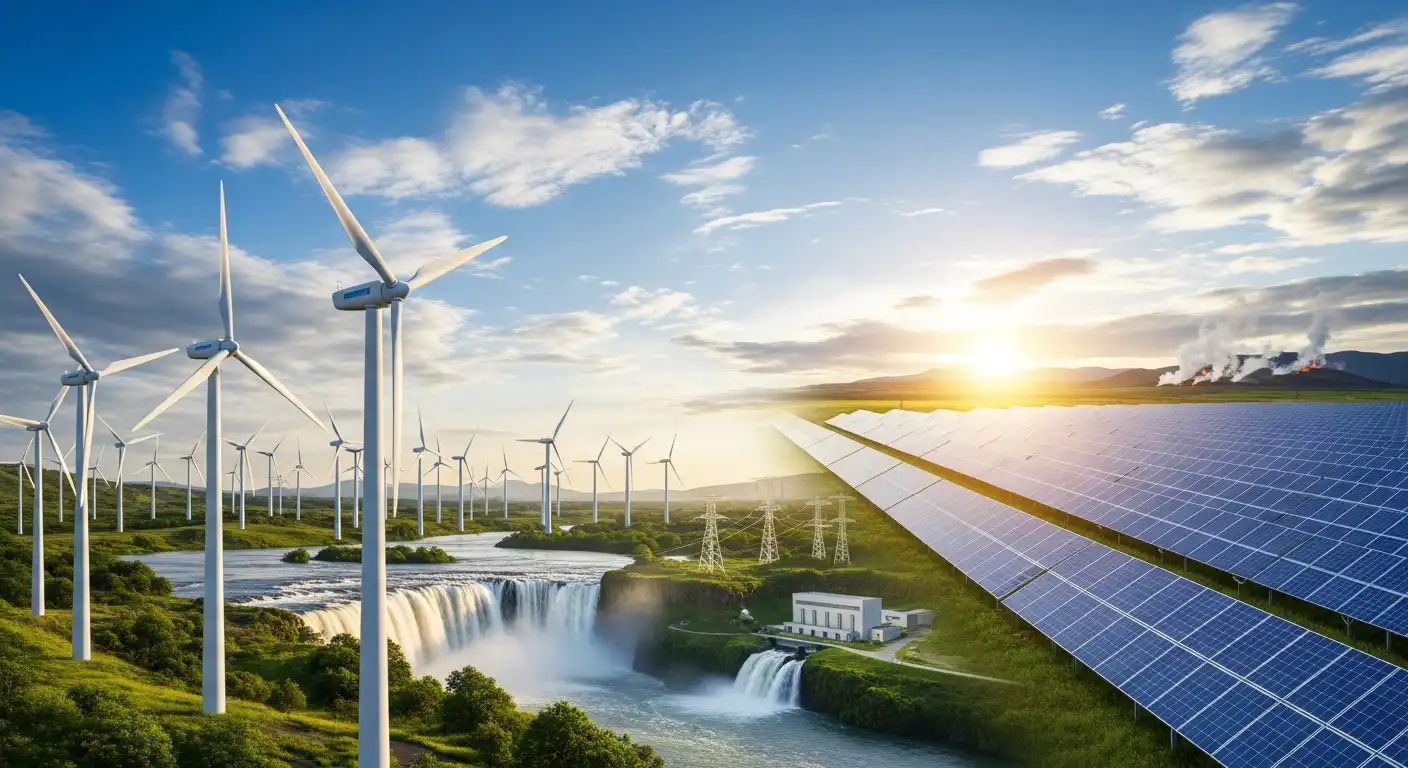
European Union energy ministers gathered in Cyprus on Wednesday to tackle a growing problem. Europe produces massive amounts of clean power from wind and solar energy. However, the bloc wastes much of this electricity because it simply lacks the infrastructure to store it. The rapid growth of renewable energy now completely outpaces the development of storage systems. This gap creates severe instability in the power grid and wild price swings across European countries.
During the official meetings, leaders debated how the European Union relies too heavily on Chinese-made storage technology. European countries want to achieve green energy independence. But they worry they are just trading one foreign master for another. The region has already learned hard lessons from the Russian gas crisis. Since then, the war in the Middle East and disruptions in the Strait of Hormuz have added a staggering €35 billion to European countries’ energy bills.
Chinese businesses currently dominate the European market for battery energy storage. Global research firm Wood Mackenzie reports that Chinese companies control more than 80 percent of the residential storage sector. They also supply nearly 88 percent of all lithium-ion battery imports coming into Europe. This massive market share makes European leaders nervous about their long-term security.
Cyprus holds the current European Union presidency and steered Wednesday’s discussions. The energy ministers acknowledged that lithium-ion batteries rule the market today. Still, they agreed to support diverse storage technologies. Several nations pushed for pumped hydro and thermal storage solutions as equally vital tools for the future. Cypriot Energy Minister Michael Damianos explained the strategy to reporters at the event. He stated that boosting electricity storage capacity is a critical tool for ensuring grid stability. Damianos noted that flexible, non-fossil fuel power helps reduce and stabilize energy prices for everyone living in Europe. He also stressed that member states must work together to reduce risks associated with imported fossil fuels.
Some countries are already making big moves. Lithuanian Energy Minister Žygimantas Vaičiūnas told the group that investing heavily in storage remains the best path forward. He highlighted his own country’s recent success. Lithuania recently installed more than 1 gigawatt of new storage capacity. This single project can power between 750,000 and 1,000,000 homes.
European Union leaders continually promote storage infrastructure as the bedrock of the region’s green energy shift. Energy Commissioner Dan Jørgensen told a conference last October that 2024 stood as a record year for the industry. The bloc added 12 gigawatts of new storage capacity across the continent. Even with this record growth, officials admit the numbers fall short of what Europe actually needs to reach its 2050 climate neutrality targets.
To reach those climate goals, Europe must aggressively electrify its transport sectors and major industries. Countries also need to overhaul their national power grids. However, this push for mass electrification sparks intense political fights. The European Commission wants more power to govern energy across borders. Meanwhile, many national governments fight fiercely to protect their own energy sovereignty.
Sweden stands out as a prime example of this local resistance. The Swedish government recently announced plans to halt the construction of a new power cable connecting to Denmark. Stockholm strongly opposes a European Commission proposal to use revenues from electricity congestion charges to fund international grid upgrades. Swedish Energy Minister Ebba Busch firmly rejected the idea on May 11. She stated that Brussels ignores its concerns and should not receive electricity money from Swedish citizens. Because of this dispute, Sweden paused its plans to build new cables for power exports.
Despite these internal clashes, the ministers in Cyprus agreed to treat energy storage as a highly strategic manufacturing sector. They pointed to the Net-Zero Industry Act, which the bloc adopted in 2024. This law aims to boost domestic manufacturing of clean technologies. European leaders designed this strategy to counter China’s grip on the battery market and to fight off competitive pressure from the United States’ Inflation Reduction Act.
Energy experts say Europe can absolutely reduce its reliance on Chinese clean energy products. However, replacing Beijing across the entire supply chain remains unrealistic for at least the next ten years. The European Union Institute for Security Studies noted that Chinese investments in Europe dropped off since the late 2010s. Yet, the deep legacy of Chinese involvement in the global energy system still lingers. Analysts argue that Europe should aim for selective risk reduction rather than chasing total independence.