Key Points:
- European Union lawmakers failed to agree on delaying strict artificial intelligence rules until December 2027.
- The new regulations for high-risk artificial intelligence applications will take effect automatically this August, without a new deal.
- Germany wants looser rules for medical devices and heavy machinery to help major engineering companies like Siemens and Bosch.
- Negotiators paused the talks completely without setting a clear date to return to the bargaining table.
European Union lawmakers spent more than 12 hours negotiating overnight on Tuesday, but they failed to reach an agreement on new artificial intelligence rules. Teams representing the European Parliament and various member countries argued deep into Wednesday morning. Eventually, they left the meeting room without securing a deal. This massive failure creates serious legal confusion for technology companies across the entire continent.
The lawmakers originally wanted to delay a major section of the Artificial Intelligence Act. They hoped to push the strict compliance deadline back exactly 16 months to December 2027. The proposed deal also included a total ban on artificial intelligence nudification apps. These malicious applications use computer algorithms to create fake explicit images of real people without their permission. While negotiators easily agreed on banning those harmful apps, bitter arguments over financial and industrial rules completely derailed the meeting.
Three government officials and two European Union diplomats confirmed that the negotiating teams postponed the talks indefinitely. The failure to secure a deal this week creates a dangerous timeline problem for businesses. Strict new rules governing high-risk artificial intelligence applications will automatically take effect this coming August. Lawmakers originally rushed to meet an informal deadline set for the end of April. They believed they could delay these strict rules and give businesses the extra time they desperately need to prepare.
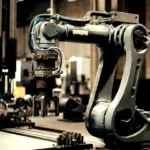
The main argument focused entirely on heavy machinery and advanced medical devices. Center-right politicians in the European Parliament made a strong request to change how the government regulates these specific products. The nation of Germany strongly backed this request during the overnight session. The German representatives want machinery and medical equipment to follow standard industry rules rather than the new, overarching Artificial Intelligence Act.
German Chancellor Friedrich Merz personally pushes for these loosened regulations. The German leader wants to protect industrial artificial intelligence from heavy government oversight. He hopes to give a massive business boost to giant engineering companies like Siemens and Bosch. Siemens alone generates more than $75 billion in annual revenue, and the German government wants to protect that massive cash flow. These massive corporations rely heavily on automated systems and artificial intelligence to build their products and maintain their global market dominance.
Applying the strict Artificial Intelligence Act to everyday industrial machines would cost these engineering companies millions of dollars. The companies would need to hire new compliance officers, conduct lengthy safety tests, and submit endless paperwork to government regulators. By using older, sector-specific laws instead, businesses could bring their new factory machines and medical scanners to the market much faster. The German government believes this strategy will keep European engineering competitive against companies in the United States and Asia.
However, this business-friendly proposal faced fierce pushback in the negotiating room. Center-left politicians and several of the 27 European Union member countries strongly opposed the German plan. They argued that high-risk technologies absolutely need strict, universal oversight. Medical devices operate inside human bodies, and heavy machinery works closely with factory employees. The opposing lawmakers believe that using weak or outdated industry laws could put everyday citizens in real physical danger.
These politicians want the Artificial Intelligence Act to cover every single high-risk application without any special exceptions. They worry that granting a loophole to German engineering companies will encourage other industries to demand their own special treatment. If too many industries avoid the main legislation, the entire Artificial Intelligence Act will lose its power and effectiveness. The center-left leaders refuse to compromise consumer safety just to save large corporations a few million dollars.
The tight August deadline now terrifies business leaders across Europe. Without a delay to December 2027, companies have just a few short months to upgrade their software, change their safety protocols, and hire legal experts. If a company fails to meet the August requirements, the European Union can impose substantial financial penalties. These penalties could reach up to 7% of a company’s total global revenue. For massive tech companies, a single fine could cost well over $1 billion.
Right now, nobody knows exactly when the politicians will return to the bargaining table. The negotiators left the building without scheduling a new date to resume their talks. As the clock ticks closer to August, engineering firms and technology developers must prepare for the worst-case scenario. They must assume the strict new rules will take full effect this summer and begin spending on compliance immediately.