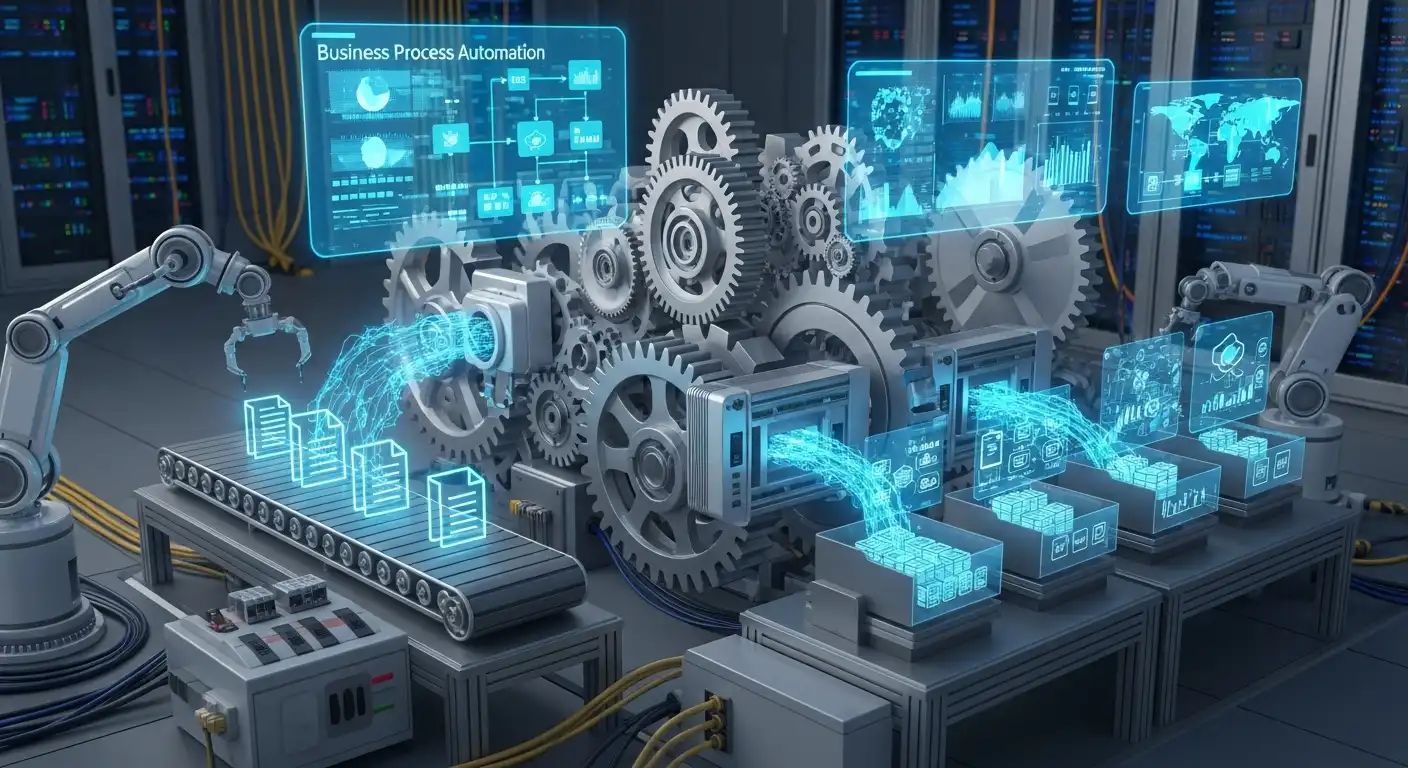
Every modern company wants to move faster. Business leaders obsess over output, constantly pushing their teams to deliver more results in less time. To meet these high demands, organizations turn to automation tools. These digital assistants work silently in the background, moving data between platforms, sending emails, and updating spreadsheets. They promise a future where busywork disappears entirely. However, flooding a workplace with automation software changes more than just daily schedules. It forces us to rethink what actual work looks like and how we measure human value in a highly efficient global market.
The End of Repetitive Tasks
For decades, office workers spent hours on completely repetitive chores. They copied names from an email into a database. They scheduled meetings by sending endless calendar invites back and forth. Today, automation tools handle these chores instantly. A simple trigger initiates a complex chain of events across multiple software platforms. The elimination of data entry errors alone saves global companies millions in lost revenue. When workers shed these boring tasks, they save hundreds of hours a month. This shift allows employees to focus their energy on projects that require actual brainpower rather than just quick fingers.
Redefining Human Work and Value
When software takes over the routine work, the definition of human productivity changes entirely. Managers can no longer judge an employee by how many forms they process or how many emails they sort. Instead, human value now lies in creative thinking, emotional intelligence, and complex problem-solving. Businesses pay people to build relationships, negotiate deals, and invent new products. Workers must adapt to this new standard quickly. They need to realize that their worth comes from their ideas, empathy, and strategies, not from their ability to act like a tireless machine.
The Danger of Over-Automation
Adding too many automated workflows creates unexpected new problems. Companies sometimes automate processes just because they can, without thinking about the actual customer experience. A heavily automated support system might trap a frustrated client in an endless loop of unhelpful chatbot responses. Furthermore, broken automations create massive messes behind the scenes. If a single software update changes an interface, hundreds of connected automated tasks might fail simultaneously. Teams must review their systems regularly to ensure their tools actually help, not hinder, daily operations and client trust.
Bridging the Digital Skills Gap
A productivity-focused workplace needs employees who know how to manage and fix these digital tools. You no longer need a computer science degree to set up basic workflows. Modern platforms use simple visual interfaces where users drag and drop commands. However, workers still need strong logical thinking skills to design effective processes. Companies must train their staff to identify workflow bottlenecks and safely build their own automated solutions. When everyone on the team knows how to connect their tools, the entire organization moves much faster.
Working Across Borders Without Friction
Global businesses rely heavily on automation to keep work moving across different time zones. When a designer in one region finishes a project, an automation tool immediately notifies the marketing manager on another continent and moves the large files to the correct server. Nobody has to stay awake waiting for an email confirmation. This seamless handoff eliminates the lag time that usually plagues international teams. Work flows continuously around the world, turning geographical distance from a communication hurdle into a major operational advantage.
The Mental Health Impact of Constant Output
We must address the hidden cost of peak efficiency. In the past, simple tasks gave human brains brief moments to rest during the long workday. Sorting emails or organizing digital files provided a mental break from intense project planning. When automation removes all the easy work, employees spend their entire day doing high-level, complex thinking. This constant mental strain leads to rapid burnout. Business leaders need to adjust their expectations immediately. They must build realistic schedules that give people time to breathe, rather than expecting human brains to operate at maximum capacity all day long.
Creating a Unified Digital Workspace
Too many companies buy different software for every single department. The sales team uses one platform, while accounting uses another, completely different system. Automation only works well when these separate systems communicate perfectly. Silos of isolated information slow down progress and confuse employees. The modern workplace requires a completely unified digital environment. IT departments must focus heavily on integrating tools smoothly. When data flows freely between departments without human intervention, the business gains a massive competitive edge. A connected workplace acts as one single organism.
Conclusion
Automation tools completely transform how we work, pushing global productivity to new and exciting heights. They strip away the boring, repetitive tasks and force us to focus on meaningful, creative projects that drive real growth. Yet, we must use these powerful tools wisely. True workplace efficiency does not mean turning humans into robots or pushing employees to the point of burnout from constant high-level thinking. It means using technology to clear the path for better human ideas and stronger connections. Organizations that find the right balance between software execution and human strategy will lead the future market. They will build environments where machines handle the routine, and people handle the future.