Key Points:
- FedEx resumed flying its MD-11 aircraft after the FAA lifted a strict grounding order.
- The safety ban followed a tragic UPS cargo plane crash in Kentucky that killed 15 people.
- The massive grounding order cost FedEx up to $175 million in lost revenue and operational delays.
- Investigators found severe fatigue cracks inside the engine support structure that caused the original accident.
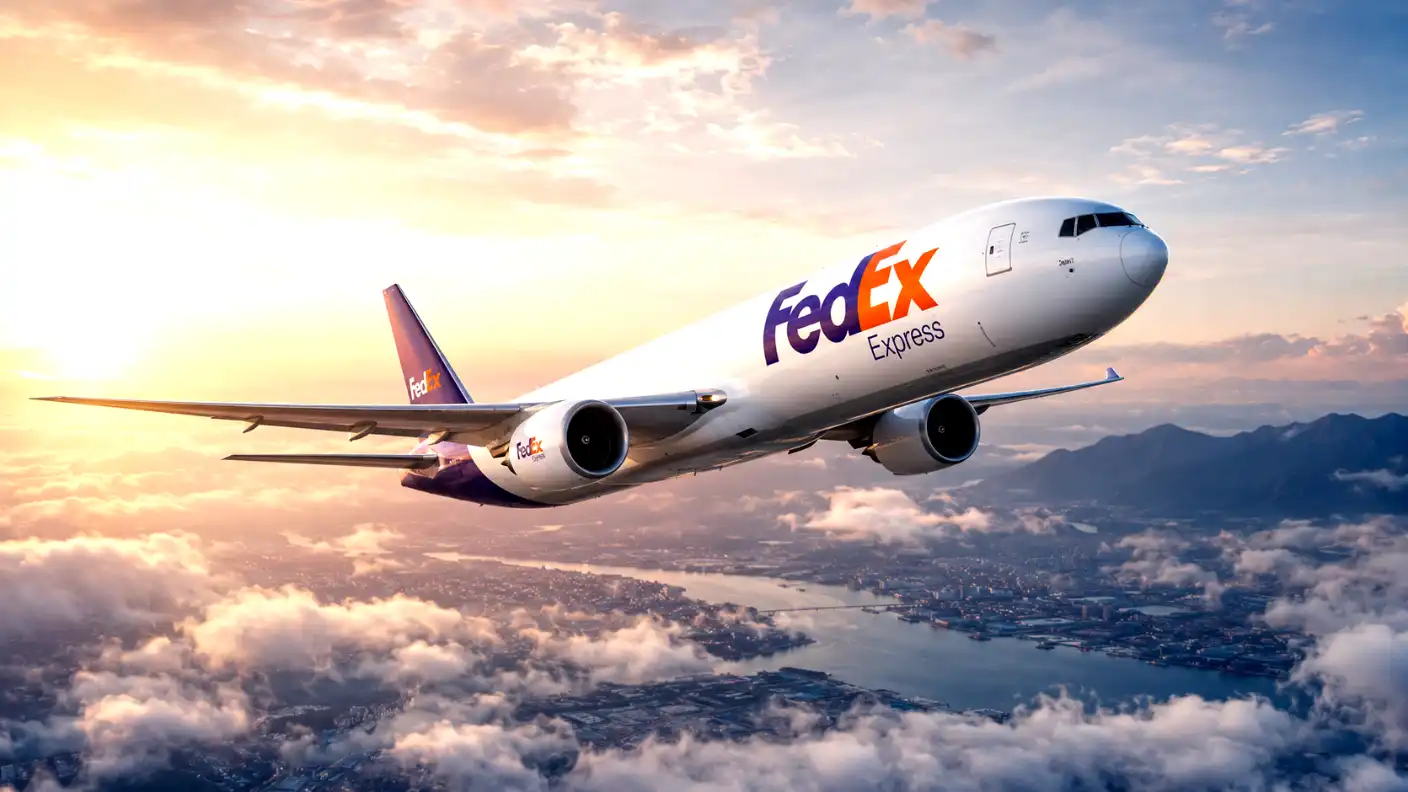
FedEx started flying its MD-11 cargo planes again on Monday. The shipping giant made this move right after the Federal Aviation Administration officially lifted a strict safety ban. This government order had blocked all flights for these specific aircraft models following a horrific accident last year. Regulators cleared the planes to fly only after Boeing established brand-new, mandatory safety rules.
A tragic UPS cargo plane crash originally triggered the massive industry ban. The UPS flight crashed in a fiery disaster at the Louisville Airport in Kentucky last year. The horrific accident killed exactly 15 people. The victims included three working flight crew members and twelve other individuals. The sheer scale of this tragedy forced government regulators to ground similar planes to prevent another fatal disaster immediately.
Keeping these massive cargo planes on the ground caused severe financial pain for FedEx. Company executives reported earlier that the strict grounding order cost the shipping giant up to $175 million. Without these planes flying their regular daily routes, FedEx had to scramble. Managers had to find entirely new ways to move packages around the world, causing massive operational delays and driving up company expenses.
To get the grounded planes back into the sky, Boeing had to create a completely new safety plan. The Federal Aviation Administration thoroughly reviewed this detailed protocol before giving the aviation industry the final green light. The newly approved plan requires airlines to follow strict maintenance guidelines and conduct rigorous inspections on the aircraft. Every single plane must pass these specific safety tests before a pilot can take it down a runway.
FedEx currently owns 28 MD-11 aircraft in its global fleet. Right now, the company has only returned a tiny fraction of those planes to active service. FedEx maintenance workers collaborated directly with Boeing engineers and government regulators to validate the new safety measures. So far, the mechanical teams have completed the required inspections and maintenance actions on exactly two of the massive cargo planes.
Bringing the rest of the fleet back online will take considerable time and intense labor. Mechanics must carefully examine the specific engine components on the remaining 26 aircraft. The company refuses to rush this delicate safety process. By completing the intense inspections one by one, FedEx ensures that every single cargo plane meets the rigorous new standards set by the federal government.
The National Transportation Safety Board spent several months investigating the deadly Kentucky crash. The government investigators dug through the charred wreckage to find exactly what went wrong in the sky. Their detailed report eventually revealed a terrifying mechanical failure. The engineering team found severe fatigue cracks hiding deep inside a crucial support structure on the airplane.
These dangerous cracks formed specifically on the aircraft’s left pylon. This vital pylon serves as the main connection point between the massive airplane wing and the heavy jet engine. Aviation experts call this specific piece of hardware the bearing race. When the metal weakened and cracked under heavy stress, it compromised the entire structural integrity of the UPS cargo plane and led directly to the fatal crash.
Finding these hidden cracks completely changed how airline mechanics view the MD-11 aircraft model. The new safety protocols focus almost entirely on this exact engine connection point. Inspectors now use advanced diagnostic tools to search for microscopic metal fatigue in the bearing race. Finding these tiny flaws before they turn into large cracks gives pilots the absolute confidence they need to fly the heavy planes safely.
While FedEx slowly returns its planes to service, the official government investigation into the Kentucky disaster continues. The National Transportation Safety Board plans to hold a massive two-day investigative hearing next week. This public event will bring aviation experts, government regulators, and airline executives together in one room. They will discuss the final details of the crash report and look for new ways to make the cargo industry safer for everyone.