

Key Points:
- Iran allowed 3 Omani tankers, 1 French container ship, and 2 Japanese gas carriers to cross the Strait of Hormuz safely.
- The Iranian government currently blocks vessels with ties to the United States or Israel following military airstrikes in late February.
- The French vessel changed its tracking signal to display its nationality, in line with diplomatic remarks by President Emmanuel Macron.
- Despite the recent crossings, Japanese companies still have 45 ships stuck in the region waiting for safe passage.
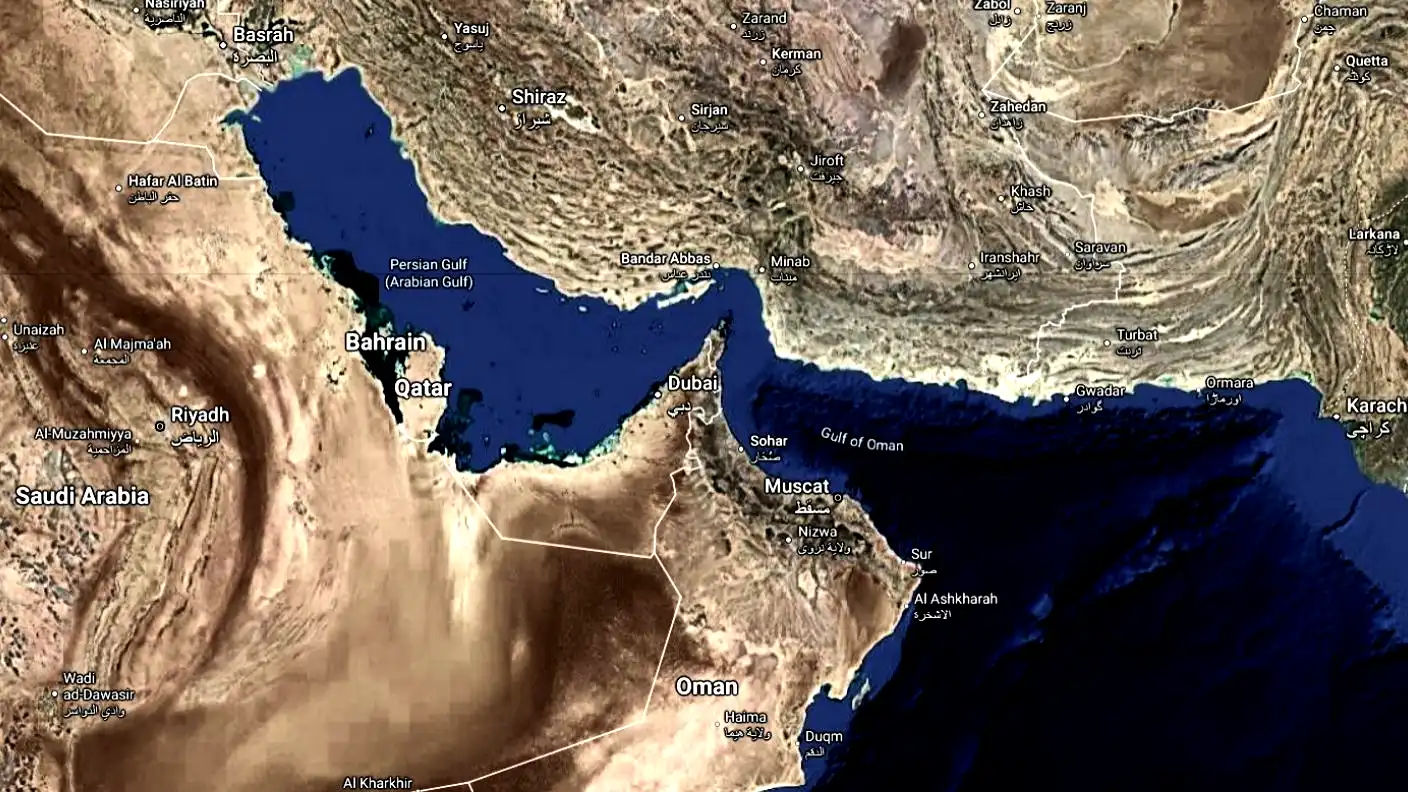
Several commercial ships successfully crossed the Strait of Hormuz this week. Shipping data revealed that 3 Omani tankers, 1 French container ship, and 2 Japanese gas carriers moved through the major waterway since Thursday. This movement highlights a new strategy by the Iranian government. Iran now allows passage for vessels it considers friendly, while maintaining strict bans on others.
Iran completely shut down the Strait at the end of February. The closure happened right after the United States and Israel launched airstrikes against Iranian targets. The Strait of Hormuz handles roughly 20% of global oil and liquefied natural gas flows, making it a massive path for international trade. Recently, officials in Tehran announced they would permit ships to pass as long as they have no connections to the United States or Israel.
Oil and commodities markets desperately want to see regular traffic resume. A few tankers and container ships managed to escape the blockade over the past few weeks. However, complete paralysis quickly followed those brief moments of activity. Shippers hope this current batch of crossings indicates a more stable arrangement for neutral countries trying to move goods.
The French company CMA CGM owns a large container ship that navigated the channel on Thursday. The crew used a clever tactic to ensure a safe journey. They changed the vessel’s Automatic Identification System destination to read “Owner France” right before entering Iranian territorial waters. This electronic signal clearly broadcast their nationality to Iranian naval authorities.
President Emmanuel Macron spoke about the crisis on the same day the French crossing took place. Macron publicly stated that only diplomatic efforts could reopen the Strait, and he specifically rejected the idea of a military operation. While making the actual crossing, shipping data showed that the vessels switched off their tracking transponders to hide their exact movements until they reached safer waters.
Oman Shipping Management also successfully moved its assets out of the danger zone. The company operates 2 massive crude oil carriers and 1 natural gas tanker that exited the Gulf on Thursday. Oman plays a unique role in this regional conflict. The country previously mediated direct talks between Iran and the United States before the airstrikes began. Omani leaders sharply criticized the military strikes, noting they ruined ongoing peace negotiations.
Japan also saw some of its stranded assets finally move. Mitsui O.S.K. Lines confirmed on Friday that its Sohar LNG tanker crossed the Strait safely. This event marked the first Japan-linked vessel and the first liquefied natural gas carrier overall to escape the Gulf since the conflict started. A company spokesperson refused to tell reporters the exact time of the passage or if the company had to negotiate directly with Iranian officials.
Even with this good news, the crisis remains a huge problem for Japanese shipping firms. The Japanese transport ministry reported that Japanese companies own or operate around 45 ships that still sit stranded in the region as of early Friday.
Meanwhile, another Mitsui-owned tanker, Green Sanvi, left the Gulf via Iranian waters later on Friday. That ship flies an Indian flag and updated its digital signal to read “India ship India crew” to guarantee safe passage. Finally, a massive gas carrier named Danisa, flying a Panama flag, used the same safe route to head toward China.






