

Key Points:
- Google revealed its first audio-only smart glasses featuring the Gemini artificial intelligence assistant at the annual I/O conference.
- The technology giant partnered with Samsung, Gentle Monster, and Warby Parker to launch the wearable devices later this year.
- Users can order food, listen to text messages, and edit photos using simple voice commands without needing a digital display.
- Google aims to compete directly with Meta, which successfully sold 7 million smart glasses in 2025.
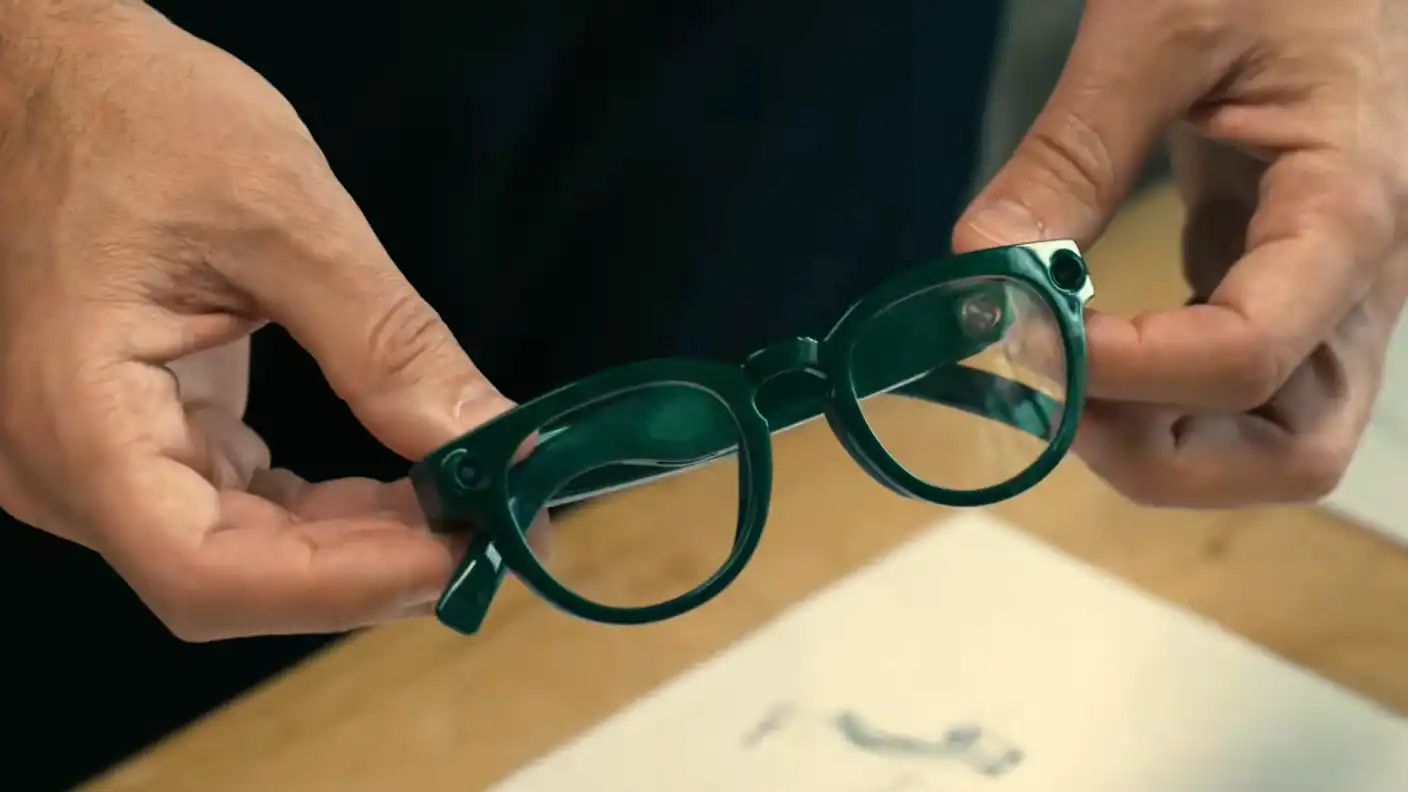
Google finally gave the world a sneak peek at its very first audio smart glasses on Tuesday. The technology giant wants to dominate a new corner of the growing wearables market. Right now, the rival company Meta is making massive waves in this specific space. Google plans to change that narrative by introducing its own stylish hardware powered by advanced artificial intelligence.
Company executives showed off the new frames during the annual Google I/O developer conference. To make the hardware look good and function perfectly, Google teamed up with several massive brands. They partnered with technology leader Samsung and popular eyewear makers Gentle Monster and Warby Parker. These upcoming glasses will embed the powerful Gemini virtual assistant directly into the frames. Google confirmed the devices will work seamlessly with both Android and iOS smartphones when they hit store shelves later this year.
Shahram Izadi runs the Android XR products and platform division for Google. He took the stage during the main keynote presentation to explain the vision behind the hardware. Izadi told the crowd that the company will launch these first two designs as part of a much bigger collection coming this fall. He highlighted that these new glasses focus entirely on sound. The device provides helpful information spoken privately right into your ear, rather than showing text on a tiny visual display.
Google revealed these sleek audio frames alongside a massive wave of other artificial intelligence announcements. The Tuesday event featured new software models and smart digital agents designed to handle complex tasks. This massive hardware reveal shows that Google remains willing to place heavy, calculated bets on brand-new physical devices. Investors constantly wait for new product categories to emerge in the modern AI era, and Google hopes smart eyewear will become the next big consumer hit.
The company actually teased similar ideas in the past. Google announced smart display glasses last year and later, in December, mentioned that engineers were building audio-only glasses for the Android XR platform. This week, those promises finally turned into a real physical product. Product manager Nishtha Bhatia performed an impressive live demo during the Tuesday conference to show exactly how the glasses work in real life.
Bhatia wore the audio sunglasses on stage and used her voice to launch the Gemini assistant. She simply spoke out loud to connect the glasses to the DoorDash app and ordered a cup of coffee. After that, she asked Gemini to read a quick summary of her unread text messages and to add a new meeting to her digital calendar. The entire process happened smoothly without her ever pulling a phone out of her pocket.
A company blog post detailed even more capabilities hidden inside the frames. Google said the smart glasses can provide turn-by-turn navigation directions straight into the user’s ears. Wearers can also ask the Gemini assistant random questions about objects they see in the real world. Additionally, the glasses feature a built-in camera to take quick photos. Users can even tell the Google AI image generator, known as Nano Banana, to alter those images. A user could say, “Hey Google, take a picture and put everyone in funny hats,” and the software will immediately create that funny picture on their phone.
For a data company like Google, these glasses represent a massive gold mine. The company collects huge amounts of user data from these real-world interactions. Google then feeds that valuable information into its computer systems to improve its future AI models. Interestingly, executives avoided discussing privacy terms or data protection rules related to the forthcoming glasses throughout the presentation.
Google faces steep competition in the artificial intelligence eyewear market. Meta already experienced massive early success with its own smart glasses. Meta partnered with EssilorLuxottica to create smart frames under the popular Ray-Ban and Oakley brands. This hardware project is a rare bright spot for Meta, a company that famously burns billions of dollars every quarter on its struggling Reality Labs division. Consumers absolutely loved the Meta glasses, and the company successfully sold 7 million units in 2025 alone.
Meta also pushed the boundaries even further recently. In September, the company released its own version of display glasses. That advanced hardware allows users to actually see digital features like text messages, photo previews, and live language captions floating in the air through a small display built right into one of the device lenses.
Other massive tech rivals refuse to sit on the sidelines while Google and Meta battle it out. Insiders report that Apple is currently working on several different frame styles and camera designs for its own upcoming smart glasses. Smaller companies like Snap and Chinese giant Alibaba also spend millions making their own AI-powered eyewear. The race to put artificial intelligence directly on consumers’ faces officially began, and Google hopes its audio-only approach will win over everyday buyers this fall.






