Key Points:
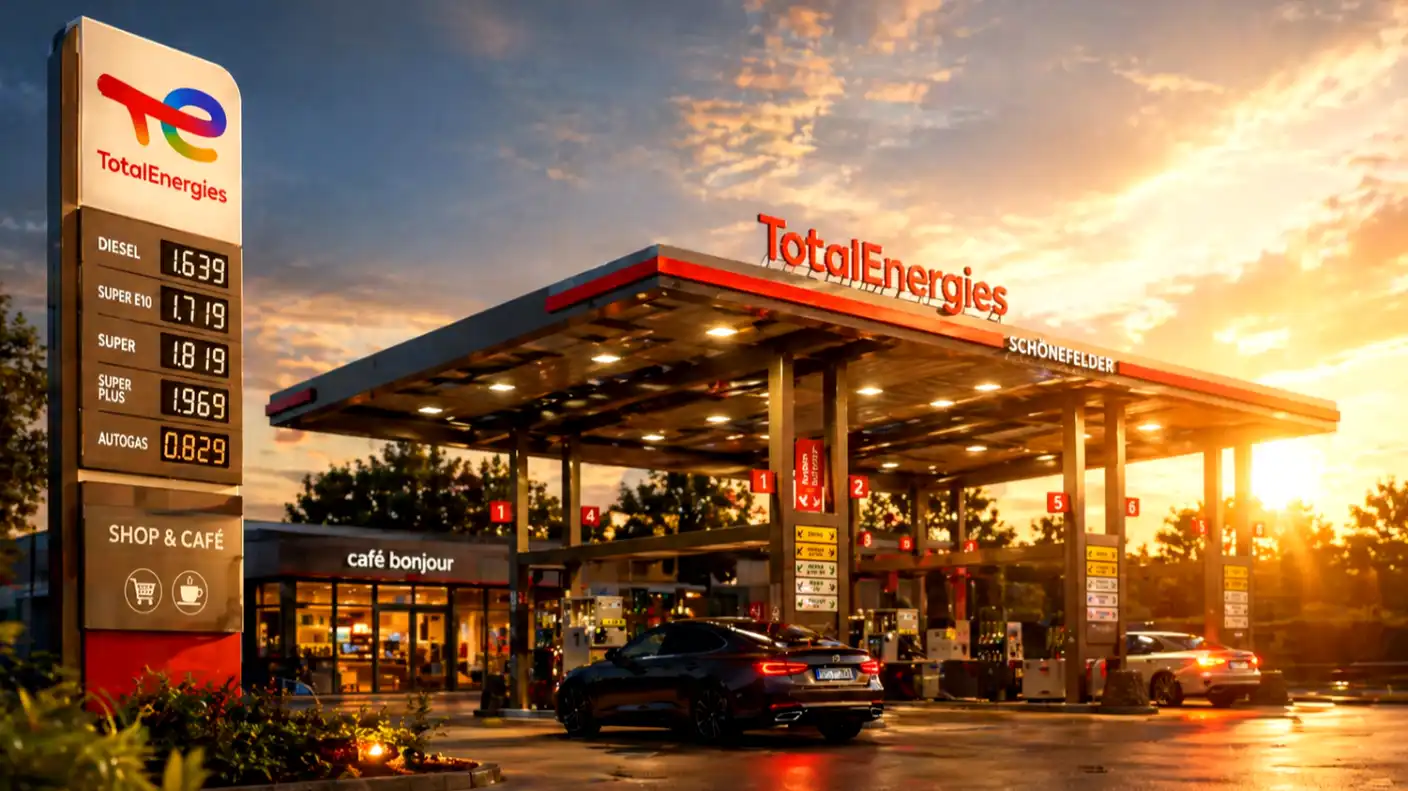
- Gas prices hit a national average of $4.51 per gallon, marking a 50 percent increase since late February.
- Families earning under $50,000 a year saw their overall purchasing power turn completely negative in April.
- Brent crude oil prices spiked toward $117 per barrel due to shipping disruptions in the Strait of Hormuz.
- Retail stocks like Dollar Tree and McDonald’s suffered major price drops as consumer spending slowed down significantly.
Sustained high energy prices actively hammer lower-income shoppers across the United States. Economic experts now question exactly how much longer the broader economy can ignore the financial fallout from the ongoing conflict in Iran. Every day, people feel the intense squeeze at the fuel pump. This heavy financial burden forces families to make difficult choices about their daily spending.
The numbers reveal a harsh reality for everyday drivers trying to commute to work. According to recent data from AAA, the national average for regular unleaded gasoline reached a boiling point of $4.51 per gallon. This staggering figure represents a massive 50 percent increase since the Iran conflict began in late February. Back then, gas prices hovered at a much more comfortable $3.00 per gallon across most states.
The situation accelerated rapidly over the last four weeks. During the past month alone, American drivers watched the average price of gas jump by exactly $0.40 per gallon. This sudden price spike links directly to the effective closure of the Strait of Hormuz. Shutting down this critical international shipping lane sent Brent crude oil prices spiraling completely out of control. The disruption quickly pushed the global oil benchmark toward an alarming $117 per barrel.
When you compare current fuel costs to last year, the financial pain becomes even more obvious to the average worker. Last year, the national average sat at a highly manageable $3.15 per gallon. Today, Americans pay roughly $1.36 more per gallon they put into their vehicles. This drastic daily rise strips money directly from family budgets, leaving much less cash for other necessary household purchases.
Citi financial analyst Jon Tower warned his investing clients about these rapidly deteriorating conditions in a research note on Wednesday. He pointed out that the massive surge in gas prices aggressively destroys the spending power of lower-income shoppers. Tower shared data showing that total purchasing power dipped into negative territory in April for all consumers earning under $50,000 a year. To calculate this metric, financial analysts subtract the heavy toll of inflation from wage and job growth.
Middle-class families also feel the intense heat of these soaring energy costs. Consumers earning between $50,000 and $70,000 annually now pay over $90 more every single month just to cover their basic living essentials. Even more alarming, more than $75 of that monthly expense increase appeared within just the past two months. Tower clearly warned investors that growth in consumer spending power continues to slow down across the entire board.
High fuel costs refuse to stay confined to the local gas station. These expensive transportation bills seep deep into the broader economy and force companies to raise prices on almost everything. Delivery trucks cost significantly more to fill up, factories pay higher rates for daily power, and ocean cargo ships face massive fuel surcharges. Manufacturers and retailers cannot simply absorb these massive expenses. Instead, businesses pass these extra operating costs straight down to the final customer at the local grocery store or retail checkout counter.
Business leaders see this rapid shift in consumer behavior firsthand. Christine Barrone, the Chief Executive Officer of Dutch Bros, spoke about the current retail environment on the Opening Bid financial show. She noted that shoppers are currently incredibly thoughtful about how they spend their hard-earned money. People think twice before making extra purchases or grabbing their favorite coffee treats.
Investors should keep a very close eye on consumer stocks right now to gauge the true health of the overall economy. Many popular retail companies experienced terrible stock performance over the past four weeks. Clothing retailers like Macy’s and Abercrombie & Fitch suffered heavy financial losses recently. Discount stores also took a massive hit. Shares of Dollar Tree and Dollar General each dropped by double-digit percentages during the past month as low-income shoppers pulled back their spending.
Even the wealthy giants of the fast-food industry struggle to navigate this increasingly difficult economic environment. Shares of McDonald’s dropped significantly over the past few weeks as foot traffic slowed down. In fact, the burger chain’s stock currently trades at its lowest level since August 2024. When struggling families lack extra cash, they often skip the drive-through line entirely. Shoppers instead choose to buy bulk groceries and cook basic meals at home to stretch their shrinking budgets.
These falling consumer stocks likely send a clear warning message about the underlying health of the national economy. Right now, the broader stock market is enjoying an epic rally, driven by strong excitement in technology and other sectors. However, Wall Street professionals and everyday investors alike should pay close attention to warning signs in the retail sector. When American families cannot afford to shop, the entire financial system eventually feels the massive impact.