Key Points:
- More than 70 House Democrats urged President Donald Trump to block Chinese automakers from the United States.
- Representatives Debbie Dingell and Ro Khanna lead the political push to protect the American auto industry.
- Politicians worry Trump might use the car market as a bargaining chip during his upcoming summit with Xi Jinping.
- Major domestic and foreign auto groups strongly support keeping the ban to protect American manufacturing jobs.
More than 70 Democrats in the United States House of Representatives sent a clear message to President Donald Trump on Tuesday. They want him to keep Chinese automakers completely out of the American market. The lawmakers asked the president to firmly block these foreign companies from building assembly factories or selling cars anywhere in the United States. They view this action as a crucial step to protect domestic manufacturing and secure national interests.
Representatives Debbie Dingell and Ro Khanna lead this growing political movement on Capitol Hill. They organized the letter to ensure that the administration understands the significant economic risks involved in entering foreign markets. These politicians argue that letting cheap Chinese cars flood the country will destroy American manufacturing jobs. They believe such a move would devastate local communities in the Midwest that depend entirely on a healthy and competitive auto industry.
The timing of this aggressive political push matters greatly. President Trump plans to hold a major diplomatic summit with Chinese President Xi Jinping next month. Lawmakers worry that trade negotiators might use the American car market as a cheap bargaining chip during these high-stakes meetings. They want to set a hard boundary before the two world leaders sit down at the negotiating table to discuss global trade rules.
This House initiative directly follows a similar action from the upper chamber of Congress. Earlier this month, exactly 3 Democratic senators pushed the same message to the White House. This coordinated effort shows a unified front among politicians who normally fight over other policy issues. They all agree that Chinese cars pose a unique and dangerous threat to the national economy and require strict government intervention.
Major car companies firmly support these politicians’ actions. Both domestic auto groups and foreign automakers that already build cars in America strongly back the current ban. These companies invest roughly $50 billion every year into local factories, worker training, and research centers. They simply do not want to compete against foreign rivals who receive massive financial handouts from the Chinese government.
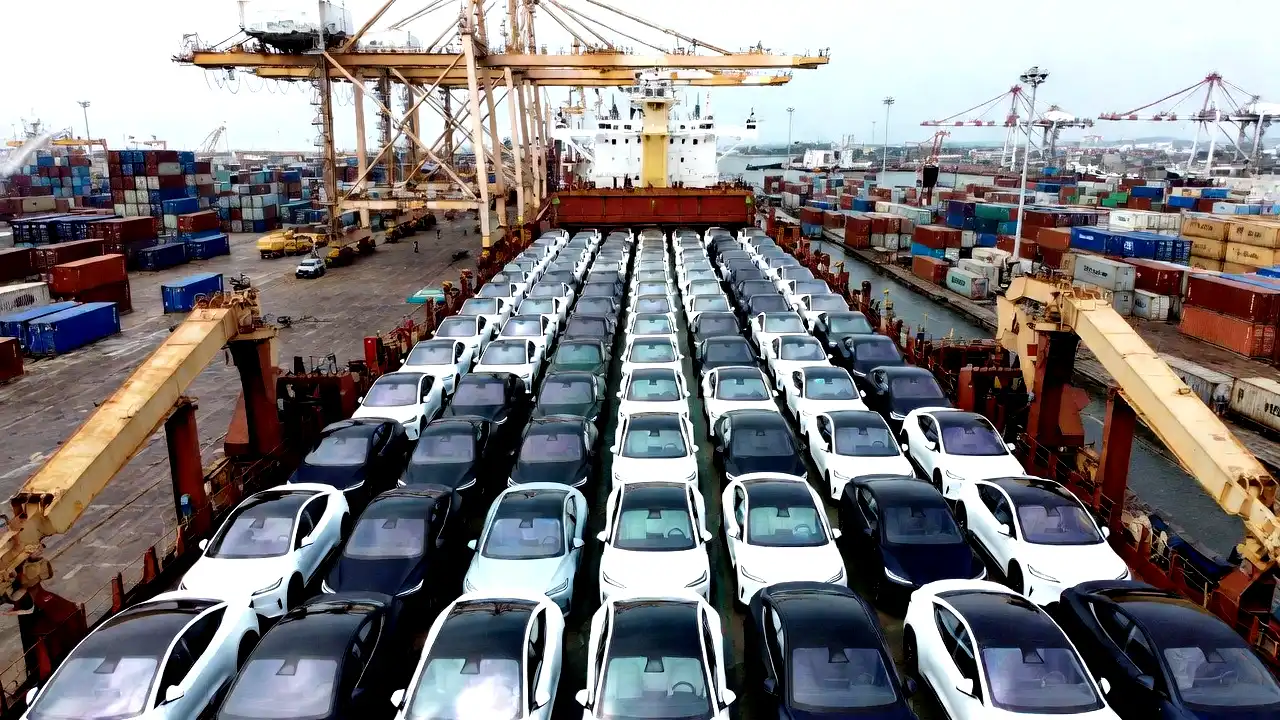
Chinese car companies operate with a huge, unfair financial advantage on the global stage. The government in Beijing provides billions of dollars in direct subsidies to its domestic auto brands. Because of this heavy state support, Chinese companies can sell brand new electric vehicles for as little as $12,000 in overseas markets. American and European factories cannot match those artificially low prices without losing money on every single sale.
The massive price difference has already completely changed the auto market in other parts of the world. Chinese brands recently captured more than 8% of the total electric vehicle market in Europe. Lawmakers look at those numbers and see a massive warning sign for the United States. They know that if these companies establish a foothold in America, legacy automakers could lose thousands of loyal customers in just a few short years.
Beyond the obvious economic threat, politicians worry deeply about national security. Modern vehicles basically act as giant rolling computers connected to the internet. They feature dozens of cameras, sensitive microphones, and advanced GPS tracking systems. Lawmakers fear that Chinese automakers could secretly collect private travel data from American citizens and send it directly to intelligence servers in Beijing.
Politicians also want the administration to watch the southern border very closely. They fear Chinese companies will try to build massive car factories in Mexico. By manufacturing vehicles just across the border, these companies could try to use existing North American trade agreements to bring their cars into the United States without paying a heavy 100% import tax. The House members urge Trump to close any legal loopholes that might allow this backdoor strategy.
The upcoming summit will force the president to make a very tough choice regarding international trade. He must decide whether to protect the millions of workers who assemble cars and build parts across the country. The auto industry stands as a core pillar of the national economy. Opening the floodgates to foreign state-sponsored competitors could alter the American auto landscape forever, making this one of the most critical decisions of the year.