

Key Points:
- Indonesia will build 33 new waste-to-energy plants to tackle a severe garbage crisis.
- The nation currently generates roughly 140,000 metric tons of daily waste, overwhelming local landfills.
- President Prabowo pushes this energy transition to protect the country from a global oil crisis.
- The government also spends $80 billion on massive seawalls to fight severe coastal erosion.
Indonesia plans to solve two massive problems at the same time. The national government just announced a huge expansion of its waste-to-energy infrastructure. Leaders want to build dozens of new power plants that burn everyday household garbage and turn it into usable electricity. This smart strategy aims to shrink the massive mountains of trash sitting in local dumps while boosting the country’s independent energy supply.
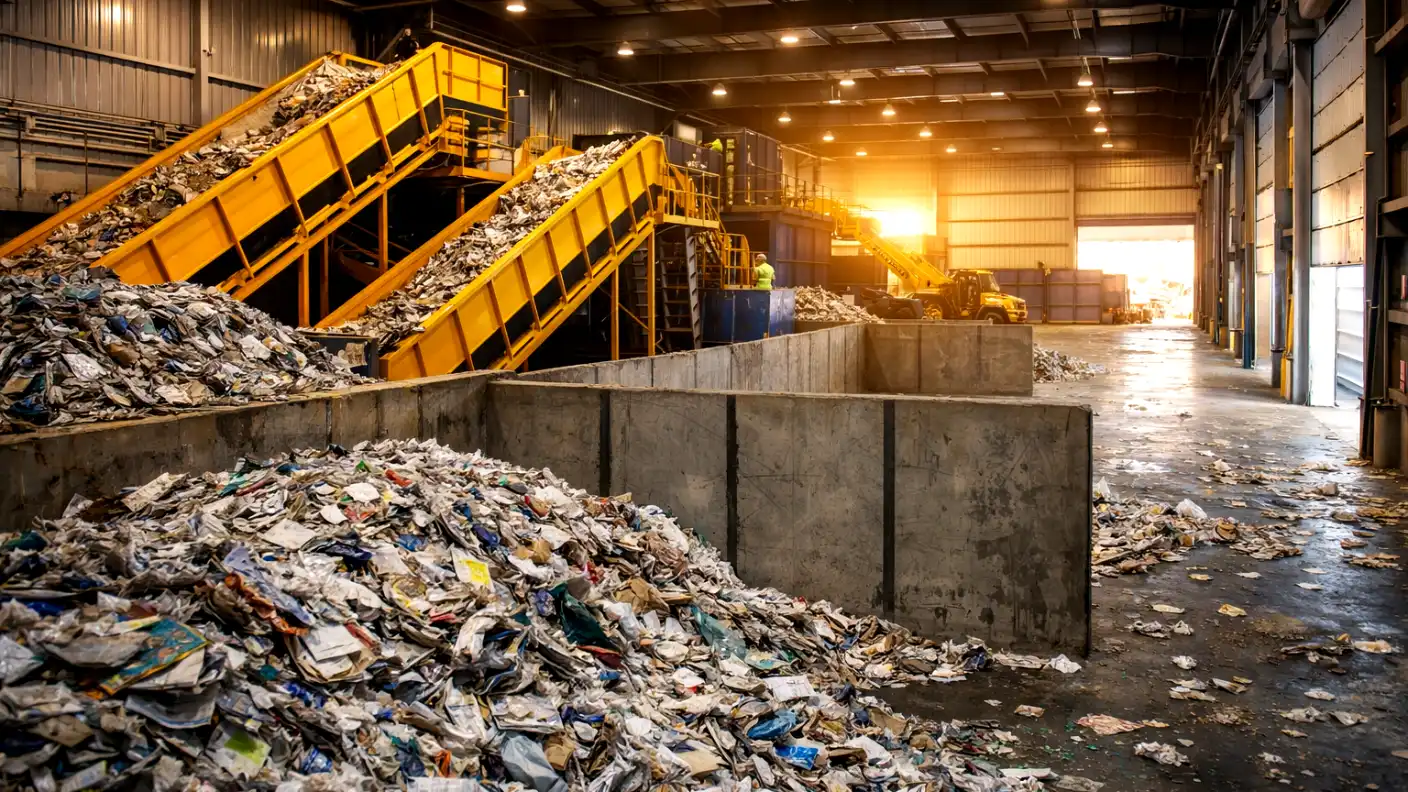
The island nation faces an incredibly serious garbage crisis right now. Current data shows that Indonesian citizens and businesses generate about 140,000 metric tons of waste every single day. This endless flood of trash completely overwhelms the local disposal systems. City landfills across the archipelago currently operate far beyond their safe capacity limits. Local mayors and sanitation workers struggle to find space to dump the daily refuse.
To stop this crisis, government officials decided to invest heavily in advanced waste-to-energy technology. They want to relieve the physical pressure on these overflowing local dumps. By burning the trash to create electricity, the government hopes to transform a dangerous environmental liability into a highly productive national resource.
Money for this massive plan comes from the top. Indonesia’s sovereign wealth fund will directly oversee the development of 33 separate waste-to-energy projects over the next few years. These massive construction projects represent a serious financial investment in modern urban infrastructure. Government planners view these power plants as a crucial tool to manage the daily waste of a rapidly growing population. At the same time, the new power plants will add fresh, reliable energy to the national power grid.
This aggressive push for independent energy arrives during a period of intense global volatility. President Prabowo currently champions a broader energy transition nationwide. He recently promised to speed up the national shift away from traditional fossil fuels. The president made this decision to protect his citizens from the harsh financial impacts of the ongoing global oil crisis.
Top economists and prominent business leaders strongly support the president’s move. They constantly warn the government about the potential financial fallout of the current international energy crisis. These financial experts argue that Indonesia must build domestic power solutions to ensure long-term economic stability. Relying on foreign oil and gas leaves the country completely exposed to sudden price spikes and overseas conflicts.
The new garbage power plants fit into a much larger national battle against environmental disasters. Indonesia currently fights a severe coastal erosion crisis that threatens millions of citizens living near the ocean. To stop the rising tides, the government recently placed a massive $80 billion bet on building giant seawalls along the vulnerable coastlines.
By pairing basic waste management with new energy production, the government attempts a multi-front approach to national sustainability. Leaders understand they must meet the immediate sanitation needs of crowded local cities. At the same time, they must meet the long-term requirements of building a tough, resilient national energy sector. The 33 new power plants help solve both of these massive headaches.
As these energy projects move from the drawing board toward real construction, engineers will focus closely on reliability. The new plants must provide a steady and consistent source of electricity for local homes and businesses. Simultaneously, they must quickly relieve the crushing pressure on local municipal garbage services.
Building this many complex power plants requires massive coordination. However, the direct involvement of the national sovereign wealth fund proves that the government takes this plan seriously. Officials show a very high level of commitment to making sure these new facilities actually open their doors. They want these trash-burning plants to become a permanent cornerstone of Indonesia’s future public infrastructure.
Beyond simply reducing the size of local garbage dumps, this bold move sends a clear message to the world. Indonesia intends to secure its own energy future fully. While international tensions rise and global commodity markets fluctuate, the nation will quietly generate its own power from domestic municipal waste.
As local landfills finally reach their absolute limits, these new energy projects offer a perfect lifeline. They will prevent a massive public health crisis by cleaning up the city streets. At the same time, they will generate the raw electrical power needed to fuel the next stage of Indonesia’s industrial growth.






