Key Points:
- Intel shares just broke a record high originally set back in August 2000.
- The S&P 500 index climbed 650% with dividends, while Intel investors waited 25 years to break even.
- Taiwan Semiconductor has risen 1000% from its dot-com peak, while other chip stocks still sit below their old records.
- Financial analysts warn that paying too much for hot technology stocks today could trap money for decades.
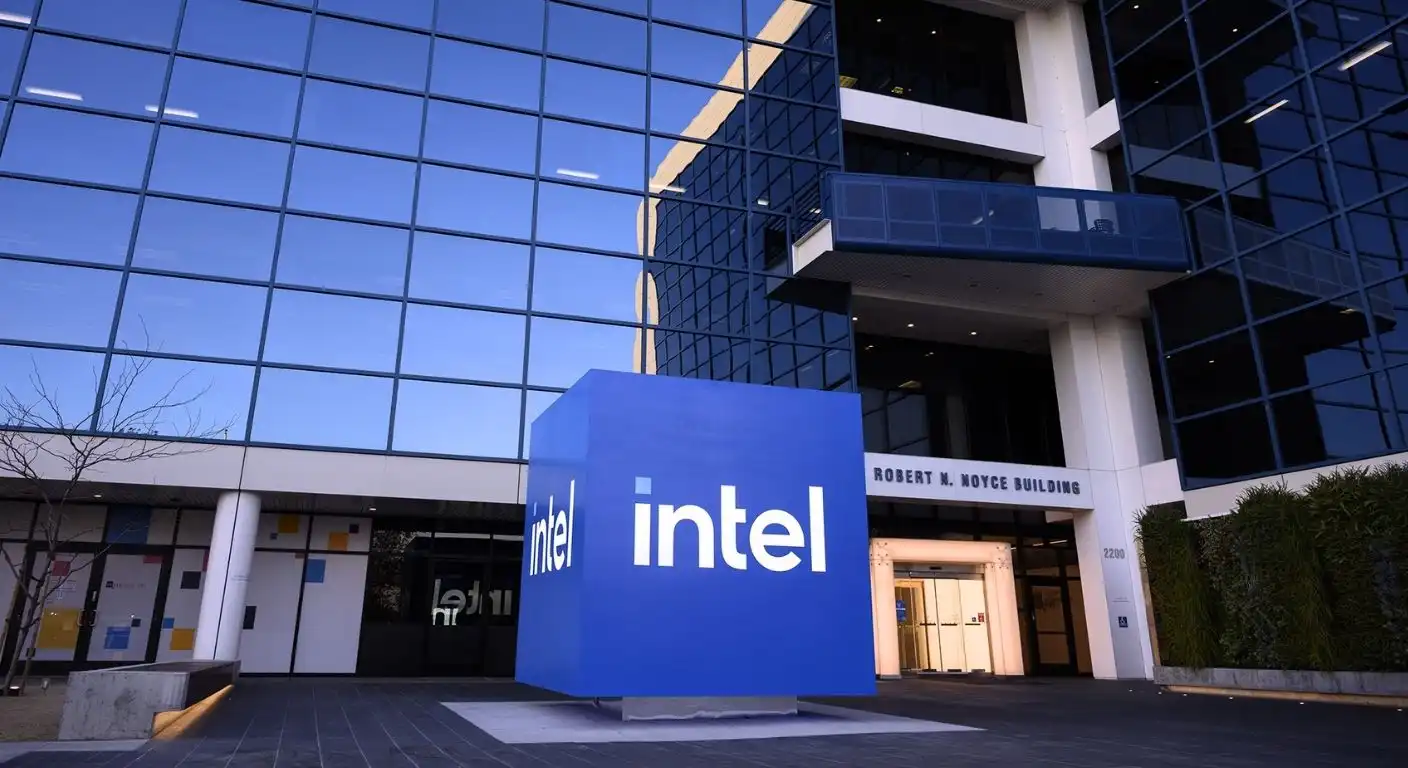
Intel is partying like it is the year 2000. The famous American chipmaker pushed its stock to fresh highs this week. This move broke a massive record that the company originally set all the way back in August 2000. The achievement completes a two-and-a-half-decade round trip for the stock price. Today, Intel serves as one of the hottest comeback stories in the booming artificial intelligence market.
However, this incredible comeback also serves as a stark warning to modern stock traders. The Intel story teaches a harsh lesson about market timing. Even a legendary technology company can spend an entire generation simply fixing the damage caused by a terrible entry point. People who bought Intel stock at the absolute peak of the dot-com bubble waited a quarter of a century just to see their initial investment turn positive again.
Brian Sozzi, an executive editor at Yahoo Finance, highlighted a recent note from Deutsche Bank regarding this exact situation. The bank called Intel’s recent surge a very potent lesson for current market participants. Analysts at the bank noted that Intel was the second-largest stock by overall market value at its 2000 peak. Back then, investors truly believed the technology giant could do no wrong.
Deutsche Bank also highlighted the brutal opportunity cost that these long-term holders suffered. While loyal Intel investors waited for their shares to recover, the rest of the market moved forward without them. Over that same 25-year stretch, the broader S&P 500 index climbed roughly 370%. If an investor had reinvested their dividends during that period, their total return on the broader market would have exceeded 650%.
Intel does not stand alone in this historical struggle. The absolute peak of the dot-com bubble left a massive shadow across the entire computer chip industry. This long shadow covered semiconductor designers, giant manufacturers, and smaller companies that test and package the actual computer parts. Many different technology companies took wildly different paths over the last 25 years.
Some technology stocks only recently managed to break free and reclaim their old highs. Companies like Cisco, AXT, Rambus, Amkor, and Photronics share a similar story with Intel. These specific stocks finally took roughly 25 years to clear the massive price peaks they established in 2000. For anyone who bought at the absolute top, these investments became decades of dead money.
Other companies face an even sadder reality today. More than 25 years after the bubble popped, several prominent technology stocks still sit below the record high prices they set during the dot-com era. Tower Semiconductor, Veeco, Vishay, STMicroelectronics, Cohu, and Skyworks all fall into this disappointing category. These businesses survived the crash, but they still have not fully repaired the massive financial damage the bubble caused to their stock prices.
The market did create some massive winners over the long term. Certain companies eventually surpassed their previous records and compounded their gains for years. Taiwan Semiconductor surpassed its old dot-com peak and rocketed more than 11,000 points higher. Applied Materials and AMD both climbed more than 600% above their previous records. These businesses turned old resistance levels into launchpads for massive future growth.
Other major players, such as Micron, Teradyne, Analog Devices, and Texas Instruments, also left their dot-com highs in the dust. These specific companies recorded massive overall gains ranging from 177% to 410%. Today, all of these successful names help power the massive rally currently happening in the computer chip sector. However, these winners still had to earn their way out of the bubble. That slow recovery process tied up investor capital for many years.
Analysts warn that simply looking at today’s active companies actually hides the true devastation of the 2000 crash. This creates a financial illusion called survivorship bias. Tracking only the surviving businesses ignores the hundreds of companies that completely disappeared. Many technology businesses went bankrupt, merged away in desperation, or simply faded into total irrelevance. Adding those dead companies to the statistics makes the historical lesson much harsher.
This historical data provides a very uncomfortable warning for investors chasing today’s active artificial intelligence winners. The primary risk does not lie within the actual technology. Artificial intelligence will likely change the world, just like the internet did in the late 1990s. The real danger comes from market pricing. Buying a great technology story at the wrong price can trap your money for longer than you can afford to wait.