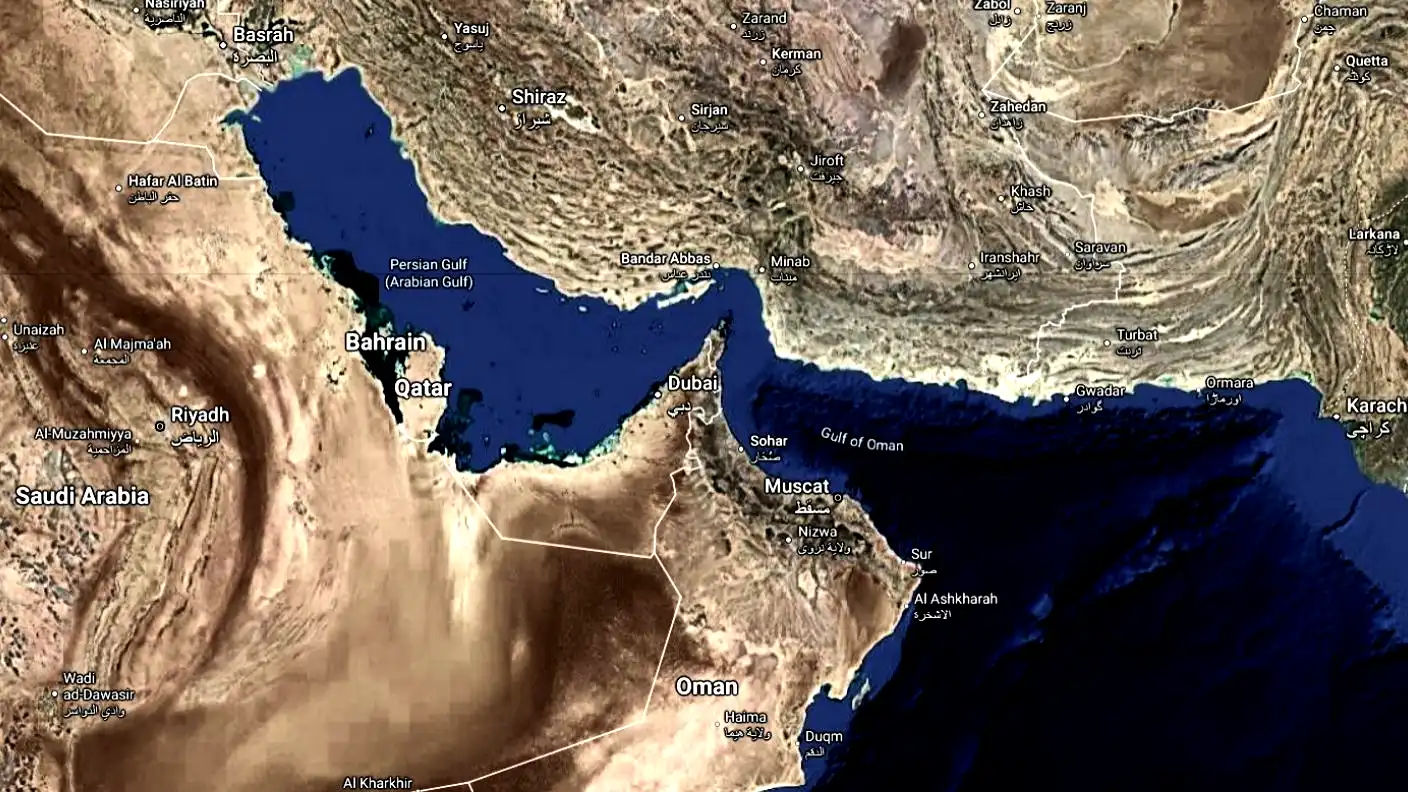
Key Points:
- Iran reimposed strict restrictions on vessel traffic through the critical Strait of Hormuz on Saturday.
- The sudden blockade undermines growing optimism that the US and Iran were nearing a final peace deal.
- The US military reportedly plans to board Iran-linked oil tankers and seize commercial ships in international waters.
- Israel struck targets in Lebanon, further straining the fragile ceasefire agreement in the region.
The massive conflict in the Middle East took another terrifying turn this weekend. Iran officially reimposed strict restrictions on all vessel traffic attempting to pass through the Strait of Hormuz on Saturday. At the same time, Israel launched fresh military strikes against targets in Lebanon. These sudden, violent actions completely undermined the rising global expectations of an imminent peace deal, highly touted by US President Donald Trump just days earlier.
The Islamic Republic broadcast a clear warning to all commercial ships in the region, stating that the critical waterway was officially closed to maritime traffic. Tensions immediately flared on the water. The owners of several vessels operating in the area reported that at least one massive supertanker had been under active gunfire. The owners asked to remain anonymous because of the highly dangerous and unpredictable security situation.
Iranian officials quickly defended their sudden decision to shut down the strait. Mehdi Tabatabaei, the official spokesman for Iranian President Masoud Pezeshkian, released a fiery statement blaming the United States. He claimed that repeated American breaches of trust and the blatant exploitation of Iran’s previous concessions for cheap propaganda purposes forced the government to block the strait once again.
The Iranian military backed up the political rhetoric with clear threats. The Islamic Revolutionary Guard Corps’ Navy issued a stark statement on Saturday afternoon. They specifically warned all commercial vessels not to leave their safe anchorages in the Persian Gulf and the Sea of Oman. The military branch explicitly stated that any ship approaching the strait will be considered as actively cooperating with the enemy, and Iranian forces will target the violating vessel immediately.
The United States is not backing down from the challenge. According to a Saturday report by the Wall Street Journal, citing anonymous American officials, the US military is preparing a massive physical response. American forces allegedly plan to board Iran-linked oil tankers aggressively and actually seize commercial ships operating in international waters over the coming days. The military hopes this aggressive tactic will apply enough pressure on Iran to force it to reopen the vital waterway.
President Trump addressed the escalating situation while speaking to reporters on Saturday. He claimed that Iran wanted to close up the strait again, just like they have done for years, but he vowed they cannot blackmail the United States. Trump noted that he is currently taking a very tough stand in the ongoing negotiations. However, critics quickly pointed out that the strait was completely open to global traffic until the US and Israel began their massive bombing campaign against Iran seven weeks ago. The White House completely ignored requests for comment on the Wall Street Journal report about the seizure of commercial ships.
The chaos in the Strait of Hormuz sparked massive panic across global financial markets. Before the US-Israel war on Iran began in February, this specific waterway handled roughly a fifth of the entire world’s daily oil and liquefied natural gas shipments. The sudden closure erupted just one single day after Iran publicly promised that the waterway would permanently reopen to commercial vessels. The situation deteriorated after Iran angrily denounced the US for maintaining its own aggressive naval blockade during the peace talks, calling the American military presence maritime banditry.
Meanwhile, the fragile ceasefire holding in Lebanon is rapidly fraying. This specific ceasefire is directly linked to Iran’s broader decision to allow commercial traffic through the Strait of Hormuz. The Israel Defense Forces confirmed they recently struck saboteurs who were approaching their troops, claiming the individuals violated the terms of the truce. The fragile deal between Israel and Lebanon specifically allows the Jewish State to preserve its right to take all necessary measures in self-defense at any time. Further complicating the diplomatic mess, French President Emmanuel Macron announced that a French soldier was killed in an attack on UN peacekeepers in Lebanon, heavily suggesting that Iran’s powerful proxy force, Hezbollah, was to blame.
The core dispute keeping the war alive involves Iran’s nuclear program. Trump previously claimed the US would work with the Islamic Republic to recover the country’s highly dangerous nuclear dust safely. However, Esmail Baghaei, Iran’s Foreign Ministry spokesman, fired back on state television. He declared that Iran’s enriched uranium is as sacred as the very soil of the country, and the government will never transfer the material anywhere under any circumstances. This nuclear material, which the US claims is currently buried deep underground following massive bombings, lies at the absolute core of the peace efforts.
While a final deal appeared close just days ago, experts now believe a lasting peace remains highly unlikely. Analysts from Bloomberg Economics warned that any potential deal reached between the US and Iran will be incredibly limited and fragile. As both sides dig in and military ships continue to face active gunfire in the strait, the global energy crisis threatens to drag on for many more months.