Key Points:
- Elon Musk accuses OpenAI leaders of transforming a charitable research lab into a massive for-profit business.
- The billionaire demands $150 billion in damages and wants Sam Altman removed from his leadership role.
- OpenAI defense lawyers argue that Musk actually supported the for-profit model and simply wanted total control.
- Trial testimony revealed that OpenAI President Greg Brockman holds a personal stake in the company worth nearly $30 billion.
A historic legal battle that could reshape the future of artificial intelligence enters its final stages this Thursday. Lawyers representing billionaire Elon Musk will present their closing arguments in an Oakland federal courtroom. They hope to convince a nine-person jury that the leaders of OpenAI effectively stole a charity. Musk accuses Chief Executive Officer Sam Altman of transforming a nonprofit research lab into a massive financial vehicle designed purely to enrich its executives.
The core of the lawsuit revolves around a broken promise. Musk claims he originally donated $38 million to help establish OpenAI back in 2015. At that time, the founders promised to build safe artificial intelligence technology that would benefit all of humanity. However, Musk argues that Altman and President Greg Brockman went behind his back. He says they created a for-profit business arm and accepted tens of billions of dollars from outside corporate investors.
To fix this alleged betrayal, Musk demands a staggering financial penalty. He wants the court to force OpenAI and Microsoft to pay roughly $150 billion in damages. Musk insists this massive sum should go directly to the original OpenAI nonprofit organization so it can continue its altruistic mission. Furthermore, the billionaire wants the judge to permanently remove Altman and Brockman from their leadership positions at the company.
The financial stakes in this trial defy ordinary comprehension. A Microsoft executive recently testified that the software giant spent more than $100 billion on its ongoing partnership with OpenAI. Now, the artificial intelligence company prepares for a potential initial public offering. Financial experts believe this upcoming stock market debut could value OpenAI at an astonishing $1 trillion.
OpenAI strongly rejects the accusations and offers a completely different version of history. The company argues that building advanced artificial intelligence requires incredible amounts of money. Lawyers for the defense told the jury that the organization operates much more effectively as a for-profit entity. They also claim the original nonprofit still exists as a powerful shareholder within the new corporate structure.
The defense team spent significant time attacking the true motives of their former partner. They presented evidence that Musk originally supported creating a for-profit business to help OpenAI fend off giant rivals like Google. OpenAI claims Musk grew angry only when the board refused to give him absolute, unilateral control over the entire operation. Musk eventually walked away from the company board in 2018.
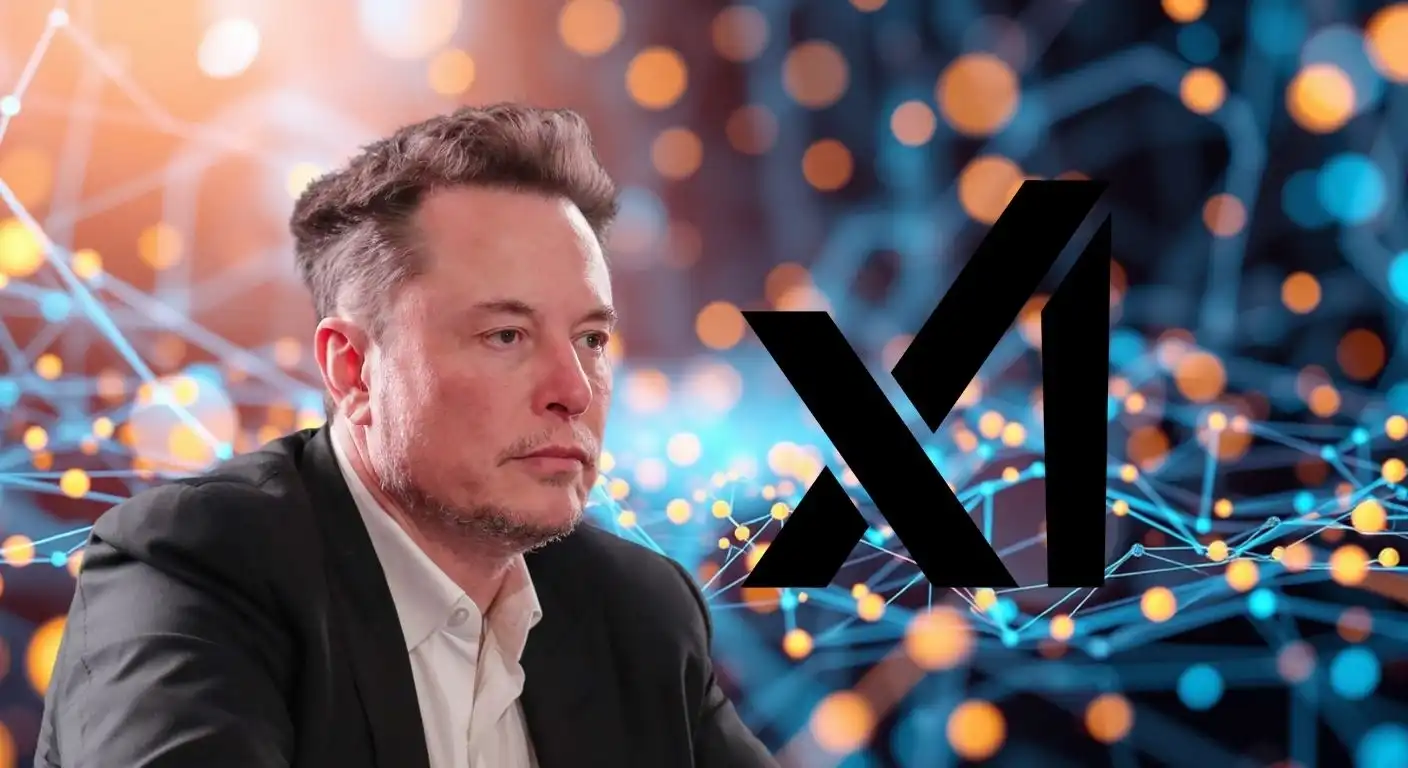
OpenAI lawyers also highlighted recent business moves to expose alleged hypocrisy. They pointed out that Musk tried to buy OpenAI last year using a group led by his own artificial intelligence startup, xAI. The defense argues this aggressive takeover attempt completely contradicts his current claims that he simply wants to protect a charitable nonprofit. Musk recently folded his xAI startup directly into his rocket company, SpaceX, which is also preparing for a massive public stock offering.
Throughout the trial, Musk’s legal team worked hard to portray Altman and Brockman as greedy executives obsessed with personal wealth. They questioned Altman heavily about his complex financial investments. Testimony revealed that Altman holds a massive $2 billion stake in various outside companies that currently do business with OpenAI. Meanwhile, Brockman openly admitted in court that his personal ownership stake in OpenAI now carries a value of nearly $30 billion.
The trial also featured damaging testimony regarding honesty and corporate governance. Lawyers repeatedly raised the shocking events of 2023, when the OpenAI board of directors briefly fired Altman. At the time, the board claimed Altman lacked candor. Former OpenAI Chief Scientist Ilya Sutskever took the stand and testified that he personally gathered evidence showing Altman engaged in a consistent pattern of lying. The company ultimately reinstated Altman less than a week after that controversial firing.
Altman defended his financial record during his time on the witness stand. He firmly stated that he owns absolutely no direct equity stake in OpenAI itself. He did admit, however, that he holds a financial stake in a separate investment fund that invests in the company. The jury must now weigh these complex financial relationships against the serious claims of fraud and deception.
U.S. District Judge Yvonne Gonzalez Rogers presides over this complex case. The court does not yet know exactly when the nine jurors will begin their final deliberations. If the jury fails to reach a verdict before Monday, the judge and the legal teams will return to the courtroom. They will use that time to discuss exactly how the court should restructure OpenAI and calculate the massive damages if Musk ultimately wins the case. The judge holds the sole power to determine those final remedies.
This courtroom drama unfolds amid extreme public anxiety about new technology. Millions of people already use artificial intelligence daily for tasks ranging from medical diagnoses to basic financial advice. However, many citizens deeply distrust the software and fear it will generate harmful fake images or displace human workers from their jobs. The outcome of this trial will likely dictate who controls the future development of these powerful tools.