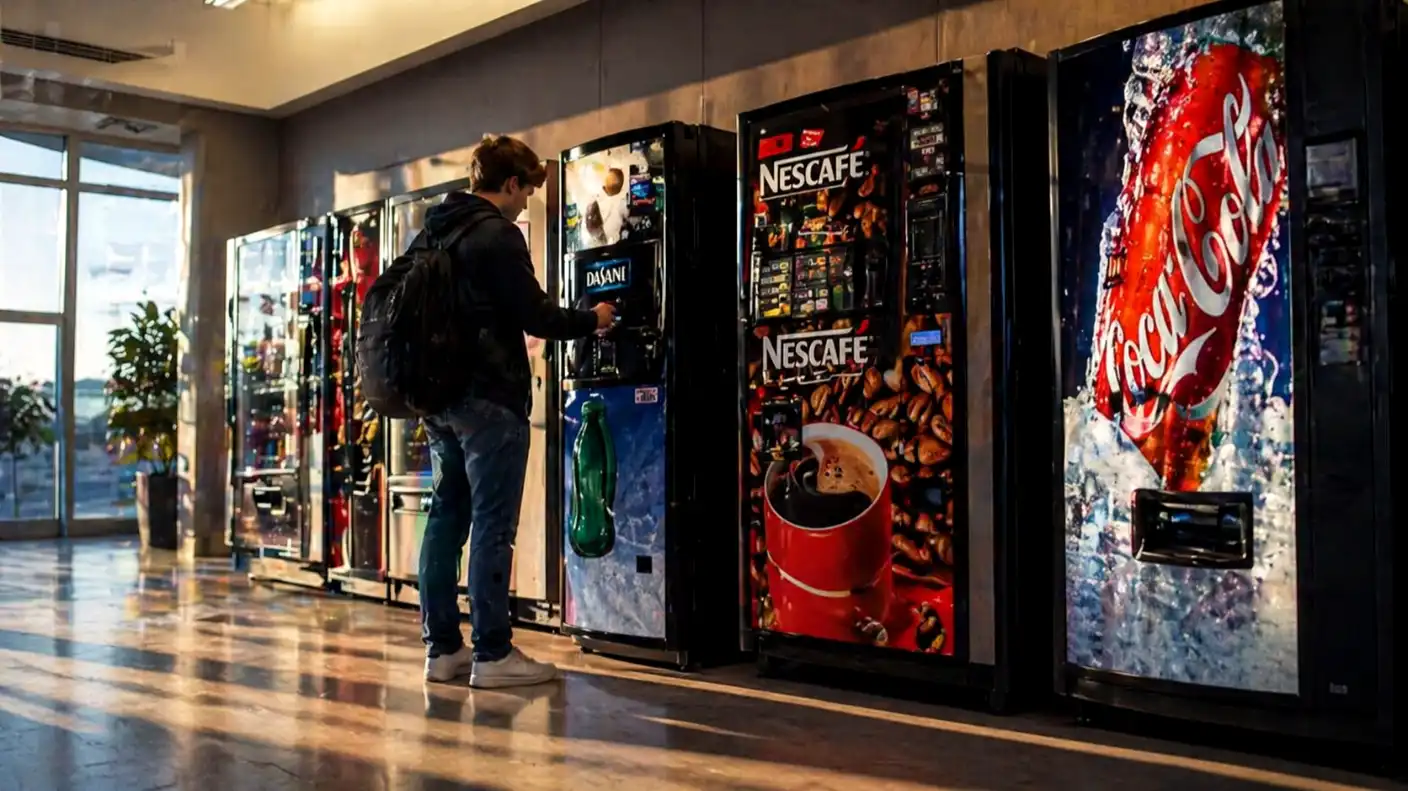
Key Points:
- Inflation and rising daily costs force Japanese beverage companies to rethink their massive vending machine networks completely.
- DyDo Group plans to remove 20,000 machines by 2027, while Pokka Sapporo will sell its 40,000 machines to a new owner.
- Consumers now prefer to buy cheaper drinks at discount drugstores and convenience stores rather than pay the 130-yen list price.
- Higher fuel expenses, rising labor costs, and people bringing their own water bottles all hurt the industry’s daily profits.
Vending machines stand everywhere across Japan. You can find them at local post offices, quiet neighborhood parks, busy train stations, and even near the freezing summit of Mount Fuji. They light up city streets and country roads alike. However, rapid inflation now cools the massive demand for canned coffee and iced tea. This huge economic shift forces operators to completely rethink their entire business strategy.
Last month, beverage giant DyDo Group Holdings made a major announcement. The company decided to remove roughly 20,000 vending machines from streets across the country. This massive cut represents about 7% of their total nationwide stock. Company leaders set a target date of January 2027 to complete the removal of these units. They want to rebuild a highly profitable network rather than keep empty machines running in every corner.
Other major beverage companies face the same harsh reality today. Pokka Sapporo Food and Beverage operates out of Nagoya. In March, this company announced it would sell its entire operation of 40,000 machines. An Osaka-based company, Lifedrink Company, agreed to buy the massive network. This major sale shows exactly how quickly the Japanese beverage market changes.
The traditional business model simply no longer works in the current economy. A spokesperson for Pokka Sapporo told reporters that vending machines always relied on selling drinks at full list prices. For decades, customers gladly paid a little extra money for the pure convenience. Now, higher list prices push everyday people to find better deals. Shoppers actively look for retail stores that offer popular drinks at steep discounts.
Regular citizens feel the pinch in their wallets right now. Tetsuharu Kawaguchi works long hours for a food delivery company. The 31-year-old man spends most of his day outside on the streets. He said the rising cost of drinks made him stop using vending machines almost completely. He used to buy all of his favorite thirst quenchers from the glowing boxes. Now, he plans his daily purchases much differently.
Kawaguchi explained the simple math behind his daily choice. If you buy a regular bottle of water from a machine, you end up paying around 130 yen. If you walk into a normal convenience store, you can sometimes get that same water for a lower price. Local drugstores often sell cold drinks at very low prices to attract shoppers through their doors. This makes the choice easy for tight budgets.
This situation marks a massive shift for the Japanese economy. For many years, the country fought against severe deflation. Prices stayed flat or even dropped, so people never worried about spending a few extra yen on a cold drink. Recently, the nation experienced a harsh surge in basic living costs. Everything costs more money today, forcing families to watch every single yen they spend.
The companies running the machines also face massive cost increases. Kazuhiro Miyashita works as a researcher at the Inryo Soken Institute. His team focuses heavily on tracking the beverage industry. He explained that fuel prices jumped significantly in recent years. Companies must also pay their staff more to drive trucks and keep the machines fully stocked. These rising expenses constantly eat into the daily profits.
Miyashita noted that operators must change how they do business right away. If companies can cut their internal costs, they might keep their drink prices down. Keeping prices steady remains the only way they can fight back against the cheap convenience stores. Otherwise, more customers will just walk right past the machines without spending a single coin.
Another major factor hurts the daily drink sales across the country. Takayuki Ishizaki studies consumer habits at the Nomura Research Institute. He sees a growing environmental awareness spreading across Japan. People understand that plastic waste hurts the planet. This new mindset leads many workers to stop buying bottled drinks entirely. Instead, they buy reusable cups and bring their own water from home.
Despite these steep declines, the iconic vending machines will not vanish anytime soon. Japanese operators constantly invent new ways to attract hungry customers. Some special machines now offer hot ramen noodles, fresh-cut fruit, spicy kimchi, and sweet dessert crepes. Operators plan to survive by placing these machines in very smart, strategic locations rather than putting them blindly on every block.
Experts agree that extreme convenience still holds major value for society. Ishizaki stated that walking a short distance to buy a quick drink offers a comfort that nothing else can replace. Meanwhile, people like Taisuke Oguro still rely heavily on them. The 27-year-old Tokyo hairdresser says he hopes the machines survive. He travels to places without modern convenience stores and finds the glowing machines incredibly handy in those quiet areas.