Key Points:
- Prime Minister Sanae Takaichi plans to send a corporate delegation to Russia on May 26 to explore future business opportunities.
- Executives from Mitsui & Co., Mitsubishi Corp., and Mitsui O.S.K. Lines will meet with Russian trade officials.
- The Middle East energy crisis and the closure of the Strait of Hormuz recently forced Japan to resume buying Russian crude oil.
- Japanese lawmaker Muneo Suzuki recently visited Moscow, revealing Russia remains open to formal foreign ministerial talks.
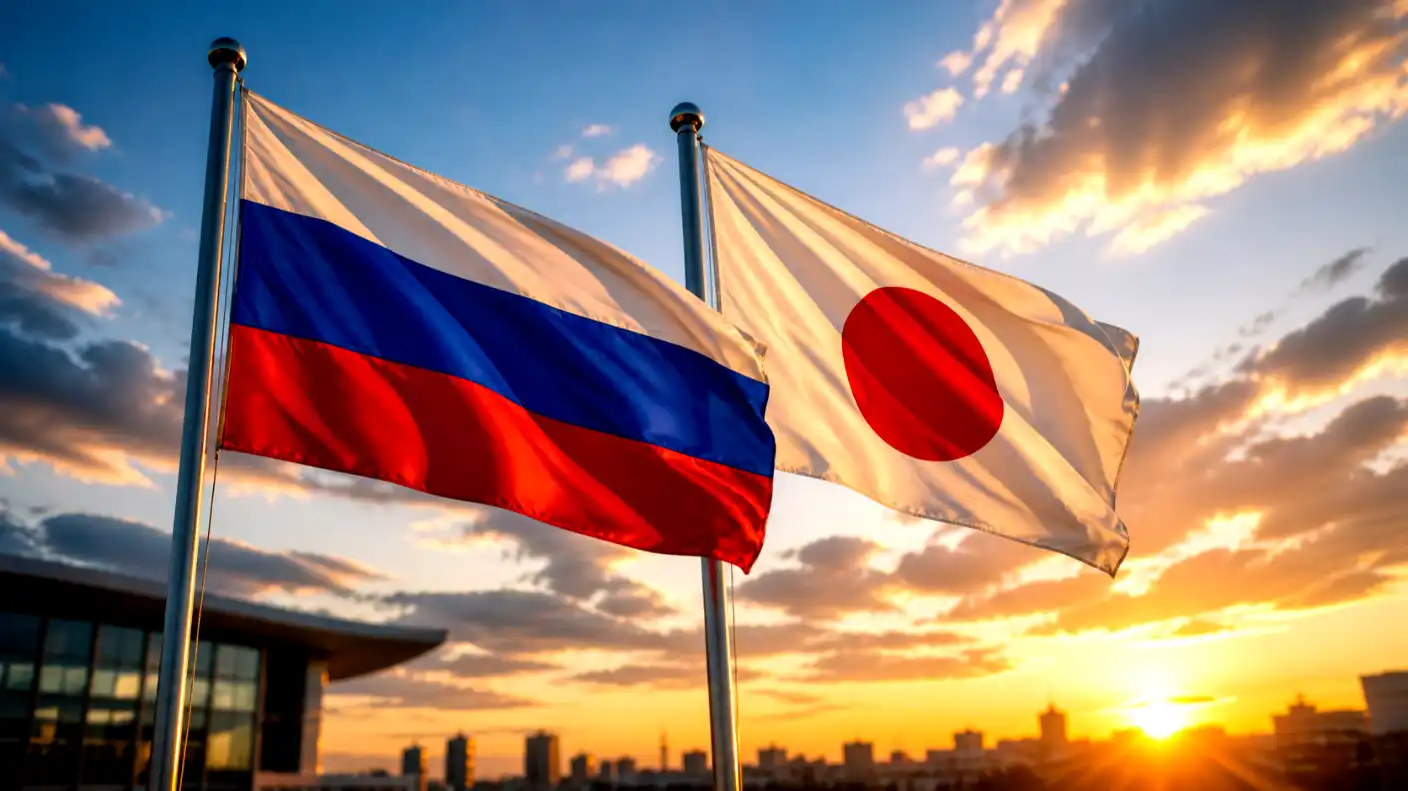
Japan plans to send an exclusive economic delegation to Russia later this month. The government wants to lay the essential groundwork for expanded business activities once the war in Ukraine concludes. Sources familiar with the internal planning revealed that the two-day visit will officially begin on May 26.
Prime Minister Sanae Takaichi proposed the trip to help secure Japan’s long-term economic interests. High-ranking executives from several major Japanese corporations will make the journey. Representatives from the trading house Mitsui & Co and the shipping giant Mitsui O.S.K. Lines Ltd have already agreed to participate. Sources expect Mitsubishi Corp, another massive Japanese trading house, to join the corporate group as well.
Once the delegation arrives in Moscow, the Japanese business leaders will sit down with senior officials from Russia’s Ministry of Industry and Trade. They aim to discuss concrete projects and map out potential future investments. The Japanese government wants these companies to be perfectly positioned to act the exact moment the geopolitical situation stabilizes.
However, the planned trip faces significant caution from the broader Japanese corporate world. Russia’s ongoing invasion of Ukraine now enters its fifth year. Many executives fear massive public backlash and severe reputational damage if they explore business deals with Moscow while the fighting continues across Eastern Europe.
Despite these valid corporate fears, signs of renewed engagement between Tokyo and Moscow clearly show a rapidly shifting dynamic. Earlier this month, Japan imported crude oil from Russia for the first time in years. A severe global energy crisis forced this desperate move, pushing Tokyo to prioritize national energy security over international political optics.
In late February, a sudden and destructive war erupted involving the United States, Israel, and Iran. This regional conflict effectively shut down the Strait of Hormuz. Because Japan relies incredibly heavily on the Middle East for its daily energy needs, the closure of the strait exposed a massive vulnerability. To keep the lights on and local factories running, Tokyo had no choice but to purchase Russian crude oil.
The Japanese government previously tried to hide its changing stance on Russia from the public. In early April, Chief Cabinet Secretary Minoru Kihara and Foreign Minister Toshimitsu Motegi faced direct questions from reporters about a potential business trip. Both leaders firmly dismissed the media reports and denied any plans to send a corporate delegation to Moscow.
This new diplomatic push closely mirrors past political strategies. Back in 2016, former Prime Minister Shinzo Abe pitched a massive economic cooperation plan directly to Russian President Vladimir Putin. They advanced their discussions on real projects involving energy development and agricultural exports. Those promising talks completely froze when the Ukraine war started, and global sanctions hit the Russian economy.
Takaichi considers Abe her primary political mentor and continues to follow his specific diplomatic playbook. During his time in office through 2020, Abe relentlessly pursued an open dialogue with Putin. He met the Russian leader 27 different times to try to resolve a long-standing bilateral territorial dispute over islands north of Hokkaido. Despite his intense efforts, Abe never achieved a breakthrough.
This new business delegation also marks a sharp reversal of recent corporate trends in Asia. Over the past few years, major Japanese auto manufacturers such as Toyota Motor Corp. and Nissan Motor Co. have completely withdrawn their operations from Russia. They sold their local factories and scaled back their presence to comply with strict international sanctions.
Backchannel political diplomacy currently runs right alongside these new economic efforts. Japanese lawmaker Muneo Suzuki, a politician with deep and longstanding ties to the Russian government, visited Moscow earlier this month. He met face-to-face with Russian Deputy Foreign Minister Andrey Rudenko to discuss the future of their bilateral relationship.
Following that meeting, Suzuki relayed a promising message back to Tokyo. He quoted Rudenko, stating that Russia remains entirely open to holding formal foreign ministerial talks with Japan. The Kremlin now awaits a clear signal from Tokyo to resume high-level political negotiations and rebuild its economic ties.