Key Points:
- The Japanese yen edged up 0.1% to 156.885 against the US dollar following suspected government intervention.
- President Donald Trump announced a humanitarian effort to free stranded ships in the Strait of Hormuz.
- Experts expect the Reserve Bank of Australia to raise its cash rate to 4.35% on Tuesday.
- The euro gained slightly as German leaders responded to new American threats of 25% tariffs on European cars.
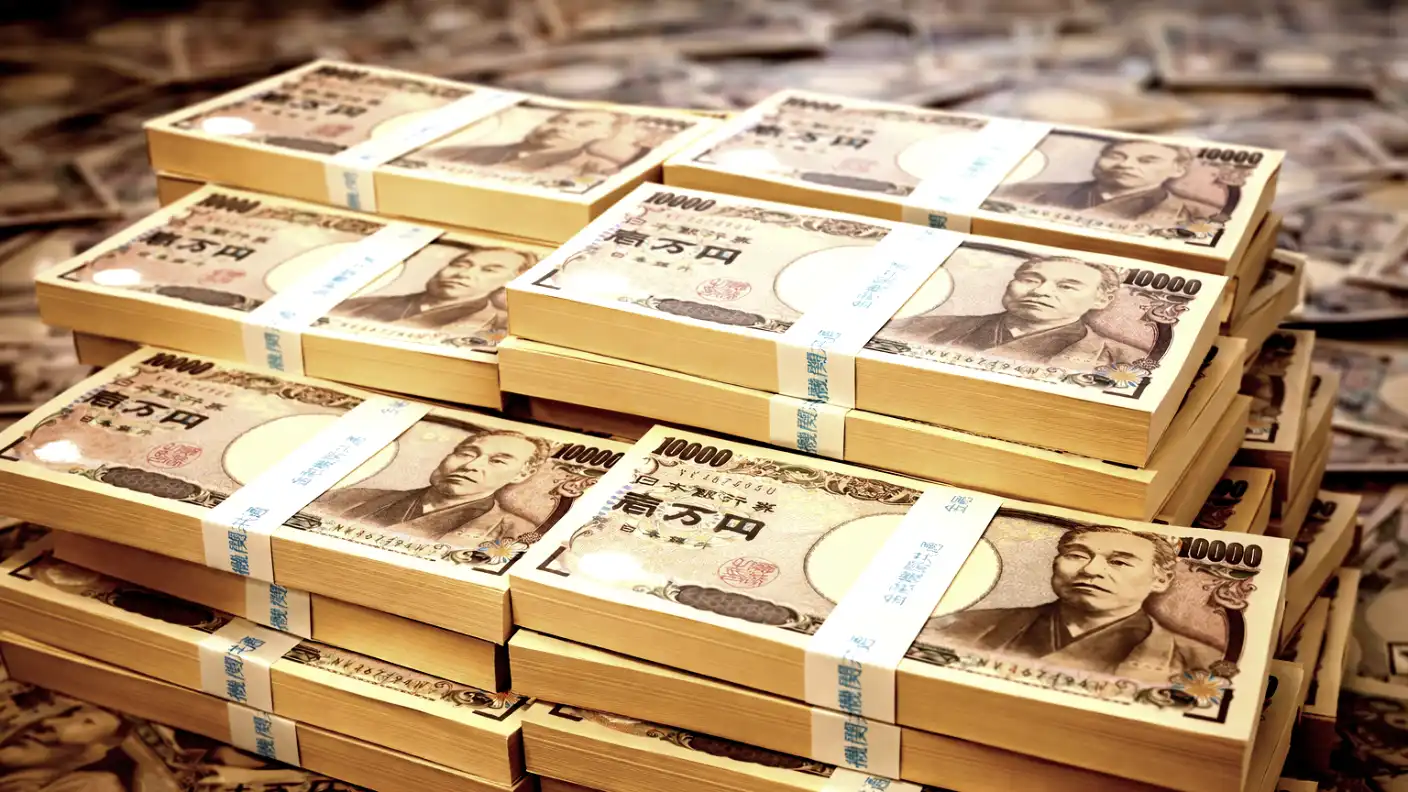
The Japanese yen finally found some stable ground at the start of trading in Asia this week. The currency edged up 0.1% to trade at 156.885 against the United States dollar. This quiet morning comes right after a few wild and choppy trading sessions. Last week, currency traders witnessed massive price swings that pointed directly to secret government intervention.
Over the past month, the Japanese currency appreciated by 1.4%. However, almost all of that gain happened on a single day. On Thursday, the yen suddenly shot higher, catching many traders by surprise. While government leaders in Tokyo refused to confirm their actions, sources inside the government told reporters that Japanese authorities actively bought massive amounts of yen. This aggressive move marked the first time the government stepped in to buy its own currency in exactly two years.
Financial experts now question whether this solo effort will actually work. Japan has tried unilateral intervention three times over the past four years, and the long-term results remain mixed at best. Mahjabeen Zaman, the head of foreign exchange research at ANZ Bank in Sydney, shared her thoughts on the situation. She noted that traders will closely watch to see if Tokyo strikes again. She also pointed out that Japanese markets recently closed for the Golden Week holiday. When banks close for holidays, trading volume drops. This thin liquidity makes sudden currency jumps much more likely and far more dangerous for investors.
Zaman added that everyone wants to know if the United States will step in and help Japan support the struggling yen. A weak currency hurts Japanese consumers by making imports of basic food and energy much more expensive. If the yen continues to lose its value against the dollar, Zaman argues that the chances of a joint intervention increase significantly. Two major countries buying the yen together would send a much stronger message to the global markets.
Beyond the currency markets, global political tensions keep investors very cautious. President Donald Trump made a major announcement regarding the ongoing conflict in the Middle East. He stated that the United States military would launch a new effort on Monday morning to free commercial ships stuck in the Strait of Hormuz. Trump described this specific operation as a humanitarian gesture to help neutral countries caught in the middle of the war between the United States, Israel, and Iran.
Freeing these ships could help calm the chaotic energy markets, but the military action still makes Wall Street nervous. While traders digested this news, the United States dollar index sat completely flat at 98.144. This index measures the overall strength of the greenback against a basket of six other major global currencies. In the digital asset space, Bitcoin slipped slightly, down 0.1%, to $78,824.22. Meanwhile, its main rival ether nudged 0.1% higher to settle at $2,331.95.
Down in the southern hemisphere, currencies showed a bit more life. The Australian dollar gained 0.1% to hit $0.7211. Right next door, the New Zealand dollar advanced 0.2% to reach $0.5905. Australian traders are bracing for a major economic announcement later this week. The Reserve Bank of Australia plans to reveal its next monetary policy decision on Tuesday morning.
A solid majority of financial analysts expect the central bank to raise its official cash rate to 4.35%. The country desperately needs higher interest rates to fight off stubborn inflation. Just last week, the top two grocery store chains in Australia issued a stern warning to the public. They told shoppers to expect growing price pressures at the checkout counter. The ongoing war in Iran continues to drive up global fuel and raw material costs, and suppliers pass those heavy expenses directly down to ordinary consumers.
In Europe, the euro ticked up 0.1% to $1.1730. German Chancellor Friedrich Merz spent his weekend trying to calm local fears. He downplayed a growing political rift with Trump after the American president announced a planned troop withdrawal from German soil. Merz wants to keep the relationship steady, but trade disputes threaten to complicate matters moving forward.
On Friday, Trump shocked European leaders by threatening to slap massive new 25% tariffs on cars and trucks imported from the European Union. In response to these serious threats, the German economy ministry announced on Sunday that Berlin officials are in active talks with the European Commission in Brussels. They want to coordinate a unified response before sitting down to negotiate with Washington. Amid all this political drama, the British pound quietly posted a 0.1% gain, trading at $1.3586.