
Key Points:
- Meta Platforms is considering a massive stock offering to raise tens of billions of dollars to finance its expanding artificial intelligence systems.
- The company plans to sharply increase its artificial intelligence capital expenditures to as much as $145 billion for the current fiscal year.
- This corporate planning follows Google’s parent, Alphabet, blockbuster $84.75 billion equity offering earlier this week.
- Meta stock declined 6.6% following the reports as investors reacted to the potential dilution of their share values.
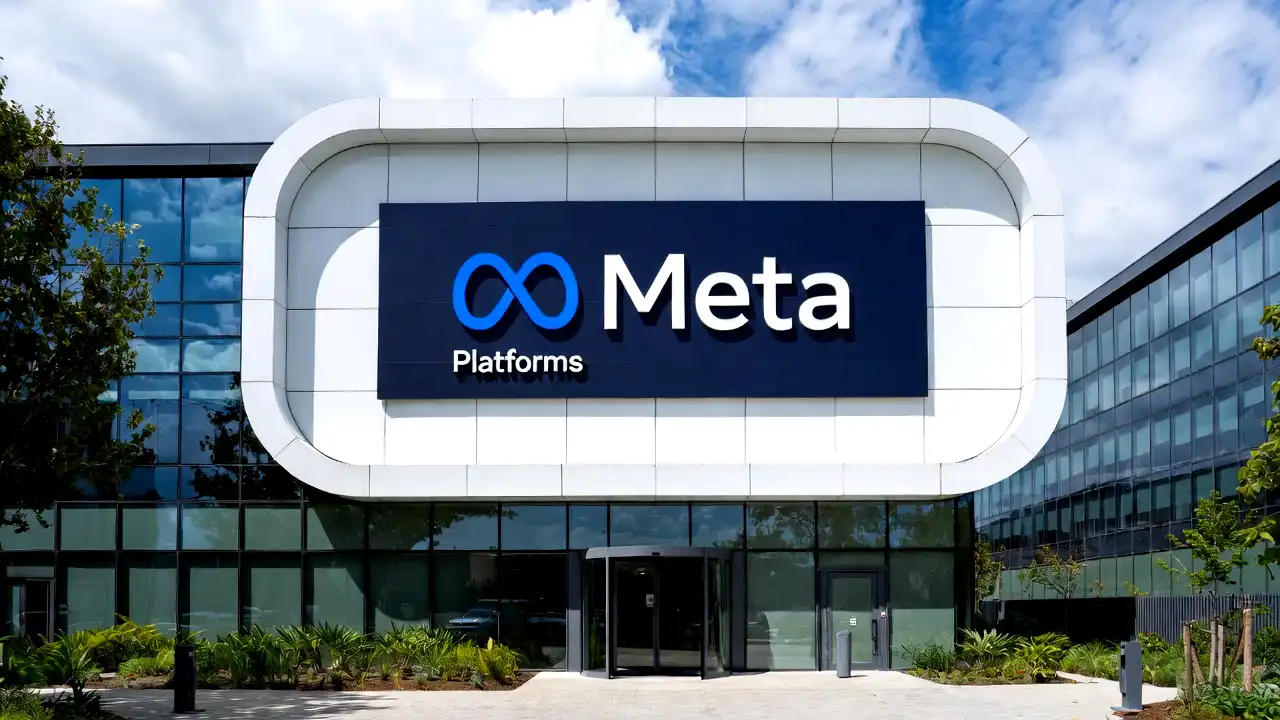
The global race to dominate artificial intelligence has entered a highly capital-intensive phase, forcing Silicon Valley’s cash-rich giants to seek massive new sources of funding. On Friday, June 5, 2026, the Financial Times reported that social media giant Meta Platforms Inc. is actively considering raising tens of billions of dollars through a major secondary stock offering. The proposed share sale aims to build up a massive financial reserve to fund CEO Mark Zuckerberg’s expansive AI dreams. This potential move marks a historic shift in how Big Tech approaches the astronomical expenses of building physical data centers and procuring advanced microchips.
Meta’s internal discussions about a massive equity raise intensified immediately after Alphabet, Google’s parent company, executed a blockbuster stock sale earlier this week. Alphabet successfully raised $84.75 billion in an upsized equity offering, with underwriters increasing the size by $5 billion due to incredibly robust investor demand. The overwhelming success of Google’s share sale has shown other tech giants that public stock markets have an immense appetite for high-performance computing investments, prompting Meta’s leadership to explore similar funding avenues.
The need for creative new capital sources stems from the eye-watering cost of building next-generation AI infrastructure. According to people familiar with the matter, Meta is preparing to sharply increase its artificial intelligence-related capital expenditures to as much as $145 billion for the current fiscal year. The company expects these infrastructure expenses to climb even higher in 2027 as it races to procure hundreds of thousands of Nvidia Blackwell GPUs and secure land for massive, water-cooled server farms across North America and Europe.
While the prospect of $145 billion in technology spending excites AI researchers, Wall Street reacted with immediate caution to the potential stock offering. Following the release of the Financial Times report, Meta’s stock price tumbled by 6.6% in Friday’s trading session. Investors are deeply concerned about the dilution of their holdings, as issuing tens of billions of dollars in new shares increases the total number of shares outstanding. This math means that Meta’s future profits and free cash flows must be split across a much larger shareholder base, potentially slowing down the company’s earnings-per-share (EPS) growth.
To navigate this delicate financial transition, Meta has mobilized its top executive talent. Finance chief Susan Li is leading the evaluation of the potential stock sale alongside Dina Powell McCormick, who transitioned from Meta’s board in January to take an active role as the company’s president. Powell McCormick’s primary mandate is to overhaul Meta’s long-term approach to AI infrastructure planning and capital allocation, helping the company transition from simple quarterly planning to a robust, multi-year strategic roadmap.
The ultimate goal of this multi-billion-dollar infrastructure drive is to realize Mark Zuckerberg’s expansive product vision. Zuckerberg wants Meta to deliver what he calls “personal superintelligence” directly to the company’s massive global user base across Facebook, WhatsApp, Messenger, and Instagram. To achieve this, the company must train and run highly advanced Llama foundation models. Furthermore, this computing power is essential to support the company’s expanding lineup of consumer hardware, including AI-enabled Ray-Ban smart glasses, real-time translating earbuds, and wearable voice pendants.
The discussions over Meta’s potential share sale are taking place during a period of unprecedented activity across U.S. capital markets. Tech and aerospace companies are tapping public and private markets at a record pace to fund their capital-intensive roadmaps. For instance, Elon Musk’s SpaceX is preparing to launch a historic, record-breaking $75 billion initial public offering next week, while prominent artificial intelligence startups OpenAI and Anthropic are also actively working on plans for massive Wall Street listings. This flurry of activity shows that investors are eager to finance the physical hardware of the AI transition.
In an effort to calm the stock market and minimize investor anxiety, Meta’s corporate communications team quickly pushed back on the reports. The company issued a statement branding the reports of a massive share sale as “pure speculation.” Sources close to the company also emphasized that Meta has not yet hired any investment banks to underwrite an offering, and the board may ultimately decide to rely entirely on its existing cash flows and debt instruments. However, market analysts note that given the immense capital requirements of the Llama-5 training run, keeping all financing options on the table is standard corporate practice.
Choosing between issuing new equity and taking on additional corporate debt is a highly strategic decision for Susan Li’s finance team. While taking on debt avoids diluting current shareholders, high interest rates have made borrowing significantly more expensive. With corporate interest payments already exceeding $1 billion annually, adding more leverage could complicate Meta’s capital structure. Even a minor 1.5% increase in corporate bond yields can add hundreds of millions of dollars in annual interest expenses to Meta’s balance sheet, reducing the net cash flow available for R&D. In contrast, issuing stock allows the company to secure tens of billions in interest-free capital. However,h it forces current owners to accept a smaller slice of future profits.
In the end, Meta’s consideration of a massive stock offering highlights the reality of the ongoing artificial intelligence arms race. The transition to advanced machine learning has evolved from a software design competition into a massive, multibillion-dollar physical construction project. Whether Meta ultimately issues new shares or funds its $145 billion budget out of pocket, the sheer scale of the investment demonstrates that the path to personal superintelligence requires an unprecedented amount of capital. How successfully Meta manages this financing mix will dictate both its technological leadership and its long-term financial performance on Wall Street.