
Key Points:
- OpenAI Chief Executive Officer Sam Altman and the Trump administration are in ongoing talks regarding a potential U.S. government equity stake in the artificial intelligence startup.
- The proposed plan involves OpenAI voluntarily donating corporate equity to seed a national public wealth fund that distributes technological benefits to the American public.
- Discussions regarding a state-owned stake have been underway for over a year, with Altman first pitching the concept to President Donald Trump in 2025.
- The negotiations unfold alongside a new executive order directing AI firms to grant the federal government voluntary access to pre-release models for up to 30 days.
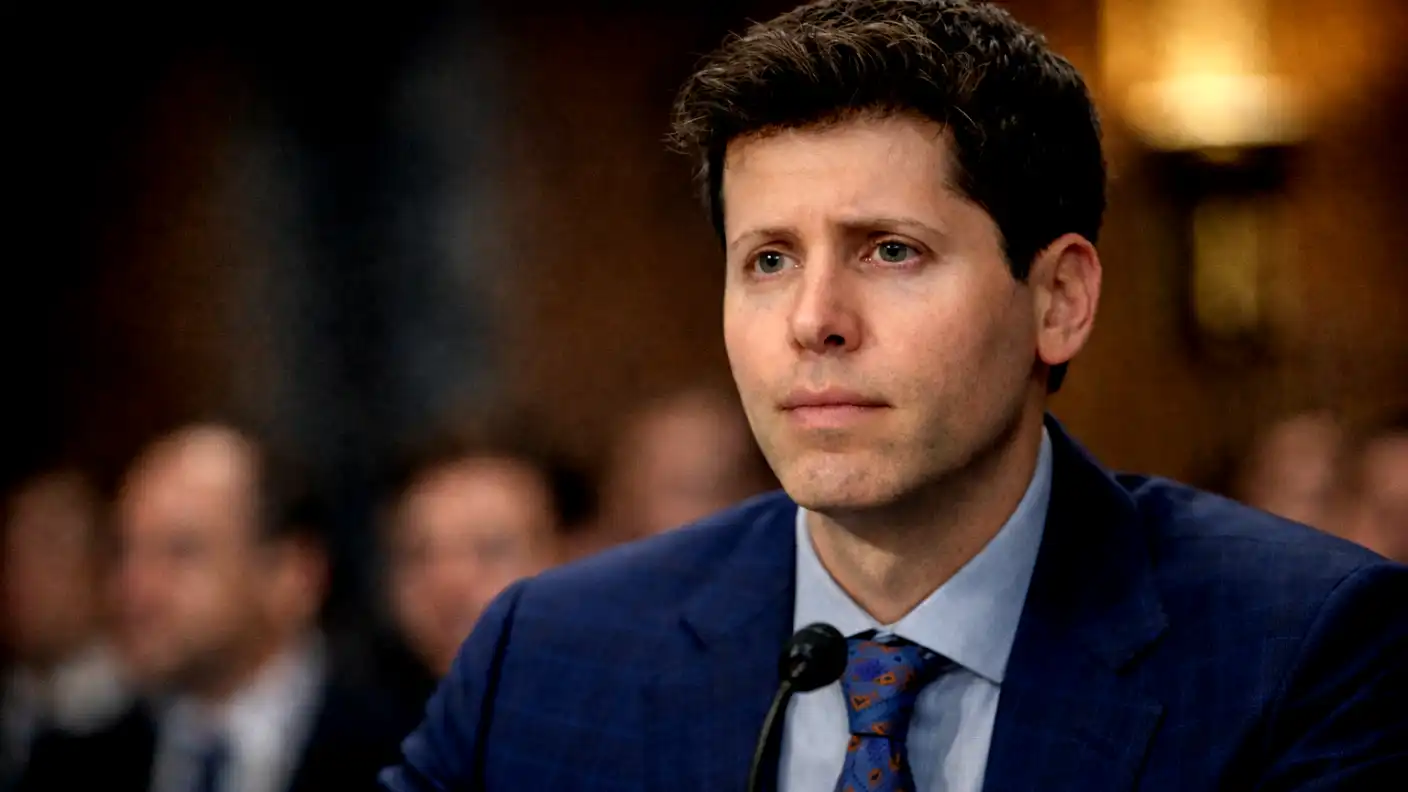
The boundary between private technology empires and sovereign state authority is blurring as artificial intelligence reshapes the global economic landscape. On Friday, June 5, 2026, details emerged of ongoing, high-level discussions regarding a potential U.S. government stake in OpenAI, the creator of ChatGPT. According to sources familiar with the matter, OpenAI Chief Executive Officer Sam Altman and senior officials in the Trump administration are actively negotiating a structure that could result in the federal government taking a direct equity stake in the premier artificial intelligence developer. This unprecedented arrangement seeks to bridge the gap between rapid technological acceleration and national economic security.
The potential structure of the government’s equity position remains tightly linked to a policy concept that OpenAI itself previously championed. Under the proposed plan, OpenAI would voluntarily donate a portion of its corporate equity to seed a newly established “Public Wealth Fund.” This sovereign wealth fund vehicle, which echoes language from OpenAI’s official policy proposal released in April, would invest in diversified, long-term national assets and potentially distribute financial returns directly to American citizens. By giving the public a direct stake in the artificial intelligence boom, policymakers hope to ensure that the broader population benefits from the technology’s massive economic upside.
These high-stakes talks are not a sudden development, but represent a long-term diplomatic effort by Altman to align his company’s future with Washington’s strategic goals. The OpenAI chief executive first pitched the concept of a state-owned equity stake to President Donald Trump in 2025, shortly after the president began his second term. Since then, the parties have discussed the proposal on multiple occasions, with negotiations intensifying in recent weeks as OpenAI prepares for its highly anticipated initial public offering (IPO) on public markets.
The negotiations over a public equity stake fit perfectly into the Trump administration’s highly active, interventionist approach to the private sector. Unlike previous administrations that avoided holding direct positions in private corporations, the current White House has actively embraced federal ownership as a key tool of its “America First” industrial policy. This proactive federal model has already seen the administration commit over $1 billion to direct domestic technology investments. During his second term, Trump has directed the federal government to negotiate or take direct equity stakes in semiconductor pioneer Intel, technology giant IBM, and several critical quantum computing and mineral processing firms to secure domestic supply chains and protect national technological dominance.
This week, Altman traveled to Washington, D.C., for a series of high-level meetings with congressional leaders and White House officials, including House Speaker Mike Johnson and House Minority Leader Hakeem Jeffries. The visits followed a sweeping executive order on artificial intelligence that President Trump signed on Tuesday, June 2, 2026. The new directive asks leading AI developers to voluntarily grant the federal government early access to their frontier models for up to 30 days before their public release. Altman publicly voiced his support for the order on social media, stating that the directive successfully strikes the right balance between national security and technological leadership.
While Altman is negotiating a voluntary equity donation with the White House, some lawmakers are calling for far more aggressive, mandatory redistribution policies. On Wednesday, Altman met with Senator Bernie Sanders, who has repeatedly stated his intention to introduce federal legislation mandating that 50% of the equity in top-tier artificial intelligence companies be transferred directly to a publicly managed national fund. Although such a radical mandate faces steep opposition in a Republican-controlled Congress, the ongoing debate highlights a growing political consensus that the multi-billion-dollar gains of the AI revolution cannot remain concentrated solely in the hands of venture capitalists.
The financial scale of these negotiations is truly monumental, occurring as OpenAI reaches historic valuation levels. Fresh off a record-breaking funding round led by global investment group MGX, OpenAI’s corporate valuation has surged past $850 billion, placing the startup within striking distance of the trillion-dollar mark. With the company actively preparing to file its S-1 registration documents with the Securities and Exchange Commission for an upcoming public market debut, establishing a clear regulatory and equity agreement with the federal government is essential to ensure investor confidence and secure a stable post-IPO trading environment.
The corporate willingness to collaborate directly with the federal government is not evenly distributed across the artificial intelligence landscape. While OpenAI is actively pursuing an equity partnership with the White House, its primary rival, Anthropic, is reportedly not engaged in any similar discussions regarding voluntary share cessions. Anthropic, which recently filed its own confidential S-1 documents for a fall IPO after raising $65 billion at a $965 billion valuation, has faced distinct regulatory pressures, particularly after the Pentagon slapped the startup with a formal supply-chain risk designation following its refusal to let its technology be used for fully autonomous weapons programs.
As OpenAI navigates these high-level political negotiations, the company is also facing severe, near-term legal pressures on the home front. Earlier this week, the State of Florida filed a sweeping civil lawsuit against OpenAI and Sam Altman personally, accusing the company of knowingly releasing and aggressively marketing ChatGPT while actively concealing serious user safety risks. While legal experts estimate that even a minor 1.5% probability of a hostile court judgment could complicate the startup’s IPO timeline, the ongoing litigation highlights the urgent need for OpenAI to secure an official stamp of approval from federal regulators in Washington to insulate itself from regional state-level lawsuits.
In the end, the ongoing discussions regarding a potential U.S. government stake in OpenAI represent a defining moment for the future of technological governance. By exploring a model in which private developers donate equity to seed a public wealth fund, the tech industry and the White House are building a unique blueprint for public-private cooperation. As Altman and the Trump administration work to finalize these complex, multibillion-dollar negotiations ahead of the upcoming IPO, the success of this partnership will determine whether the immense wealth generated by artificial intelligence remains a highly concentrated private windfall or serves as a shared engine of national economic prosperity.