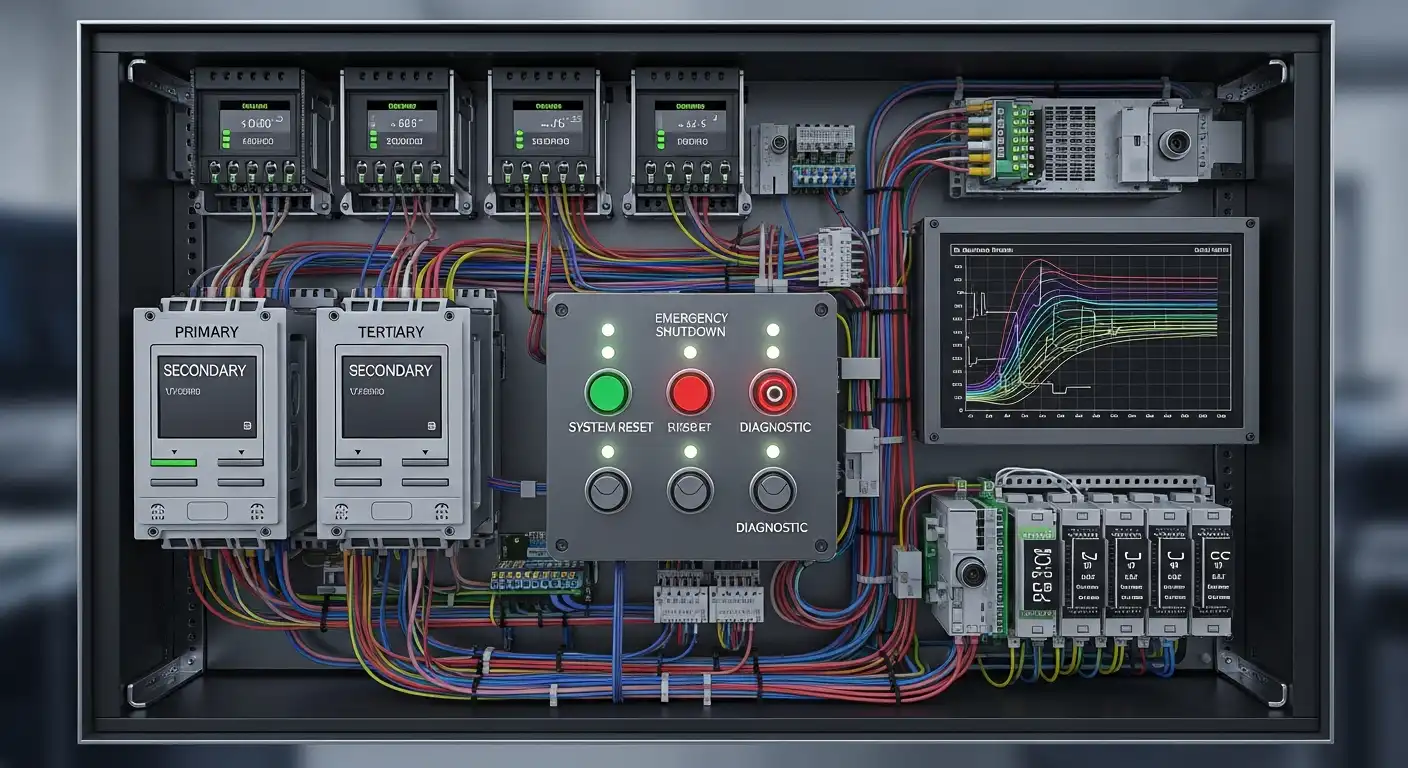
In a world where technology is deeply embedded in our daily lives, safety-critical systems are paramount. These systems, designed to ensure the safety and well-being of individuals, have far-reaching implications across industries. This article delves into safety-critical systems, exploring their significance, challenges, and the imperative for stringent design and development processes.
The Essence of Safety-Critical Systems
Safety-critical systems encompass a range of applications, from medical devices to aerospace technology and autonomous vehicles. These systems primarily focus on preventing catastrophic failures that could lead to harm, injury, or loss of life. Unlike other systems, which prioritize performance and functionality, safety-critical systems prioritize reliability and fail-safe mechanisms.
Consider an example from the aviation industry—an environment where safety is non-negotiable. Aircraft rely on safety-critical systems to monitor engine performance, navigation, and flight control. In the event of any anomaly, these systems must respond instantly to ensure the safety of passengers and crew.
The Multidimensional Impact
The impact of safety-critical systems is far-reaching, affecting industries ranging from healthcare to transportation. Their significance becomes evident when considering their role in medical equipment, nuclear power plants, and even railway signaling systems.
Consider the healthcare sector, where they are crucial in patient care. Medical devices such as infusion pumps and ventilators rely on precise algorithms and fail-safe mechanisms to ensure patient safety. The reliability of these systems directly affects medical outcomes and patient well-being.
Challenges of Safety-Critical System Design
Designing and developing safety-critical systems presents unique challenges. Their complexity demands meticulous attention to detail, rigorous testing, and the incorporation of redundancy and fault-tolerance mechanisms. Moreover, these systems often operate in dynamic environments, making it essential to account for various scenarios and potential failures.
Consider the challenge of developing autonomous vehicles, where they are at the forefront. These vehicles must navigate complex traffic situations, adapt to changing road conditions, and communicate with other vehicles and infrastructure. Ensuring that these systems operate reliably in high-stakes scenarios requires a combination of advanced technology, rigorous testing, and regulatory compliance.
The Imperative for Rigorous Standards
Stringent standards and regulations govern the development of safety-critical systems to ensure the highest levels of reliability and safety. Regulatory bodies, such as the Federal Aviation Administration (FAA) and the International Organization for Standardization (ISO), establish guidelines that govern the design, development, and testing of such systems.
Consider the role of the ISO 26262 standard, which outlines safety requirements for automotive systems. This standard mandates comprehensive risk assessment, hardware and software verification, and validation processes to ensure that vehicle safety-critical systems are developed and deployed with the utmost care.
A Vision for Tomorrow
As technology evolves, the vision for safety-critical systems becomes even more significant. Emerging technologies such as artificial intelligence (AI) and the Internet of Things (IoT) present opportunities and challenges for safety-critical applications. The integration of AI, for instance, could enhance these systems’ predictive capabilities but also requires careful consideration of ethical implications and potential biases.
Imagine a world where they are seamlessly integrated into smart cities, ensuring the safety of citizens across urban landscapes. Envision a future in which medical devices are accurate and learn from real-time data to improve patient outcomes. These possibilities become attainable when they evolve in tandem with technological advancements.
Conclusion
Safety-critical systems are not just technological solutions but guardians of human life and well-being. By focusing on reliability, redundancy, and meticulous testing, they underscore the importance of ethical responsibility in technology development.
In a world where innovation is celebrated, the significance of safety-critical systems cannot be overstated. Engineers and developers can continue to refine safety-critical technology through collaboration, adherence to standards, and a commitment to learning from failures. As we advance, let us recognize that safety-critical systems are not just about functionality—they are about preserving human life, instilling trust, and ensuring that the power of technology is harnessed responsibly.