Key Points:
- NVIDIA CEO Jensen Huang believes artificial intelligence will soon make intelligence a basic commodity accessible to billions of people.
- The technology buildout creates a massive reindustrialization boom that requires thousands of blue-collar workers to build physical data centers.
- Huang argues that artificial intelligence will not steal human purpose but rather automate tedious tasks, allowing professionals to focus on human connection.
- The executive urged graduates to build safe, inclusive technology while honoring the historical achievements in robotics at Carnegie Mellon University.
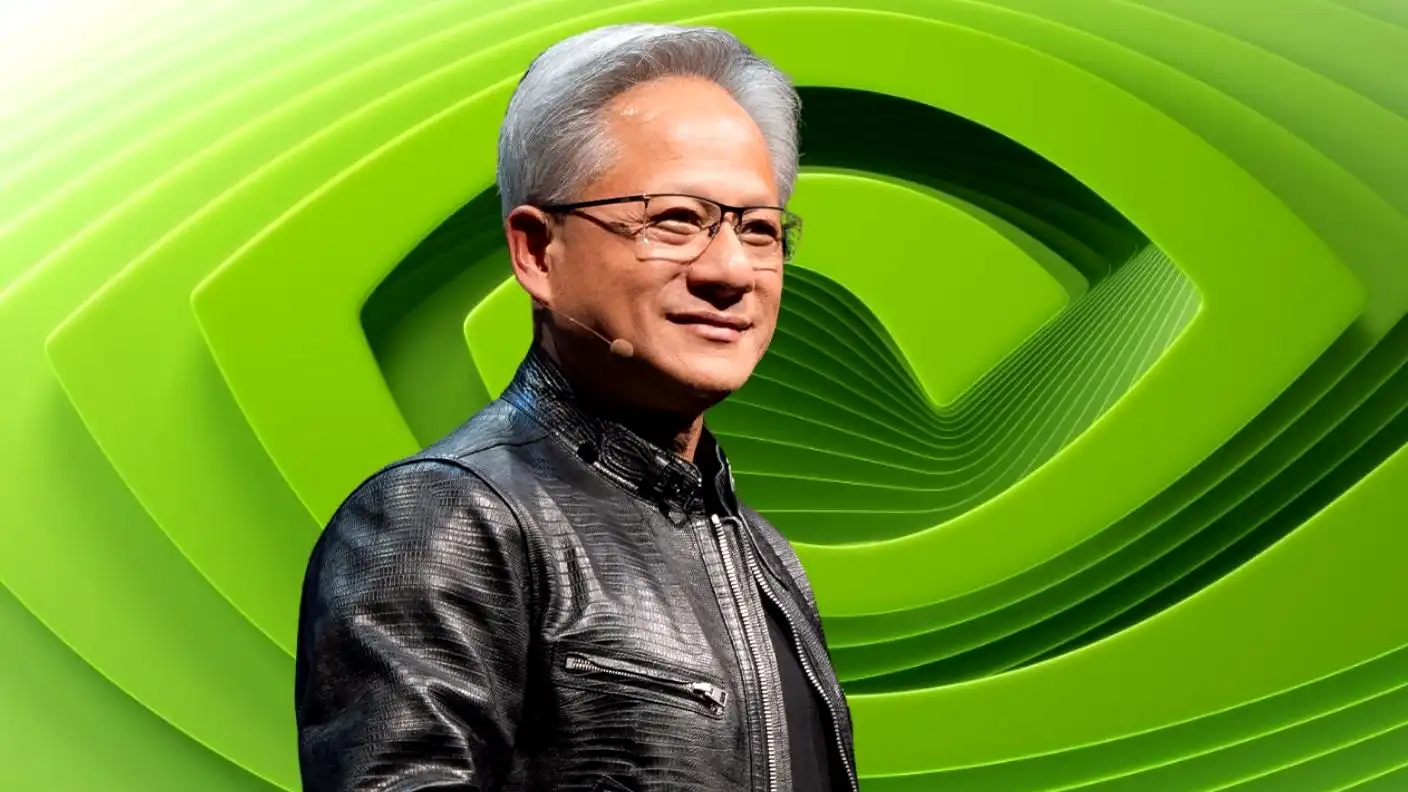
NVIDIA chief executive Jensen Huang delivered a powerful message on Sunday during a commencement ceremony at Carnegie Mellon University. After receiving an honorary doctorate, the tech leader shared his bold vision for the future of artificial intelligence. He told the audience that this new technology will turn human intelligence into a readily available commodity. Soon, everyone from local carpenters to neighborhood shopkeepers will easily access advanced capabilities that previously only existed in science fiction movies.
Huang explained that this rapid technological shift will fundamentally change how global society operates daily. He believes artificial intelligence will quickly reach billions of people who have never had access to heavy computing power before. By making these smart tools cheap and easy to use on everyday devices, technology companies can finally bridge the massive digital divide that currently separates wealthy nations from developing communities worldwide.
The executive framed the current artificial intelligence buildout as a massive reindustrialization moment for the United States. While people usually associate software strictly with computer coders sitting at desks, Huang pointed out the immense physical labor required to make this digital future a reality. He stated that America needs just as many plumbers, electricians, and ironworkers as it needs software engineers. These blue-collar workers must construct the massive data centers and advanced chip factories across the country to physically house the new technology.
NVIDIA currently stands at the absolute center of this global industrial boom. The company completely dominates the global supply of advanced semiconductors that power the entire artificial intelligence industry. Four major technology giants—Amazon, Microsoft, Google, and Meta—rely almost entirely on NVIDIA-designed chips to build out their sprawling data centers. This overwhelming market share gives Huang a unique and influential perspective on where the tech industry is headed next.
During his speech, Huang pushed back hard against the growing public fear that artificial intelligence will eliminate millions of human jobs. He asked the graduating students to draw a clear distinction between everyday tasks and human purpose. To illustrate his point perfectly, he used a radiologist as a specific example. A medical radiologist does not just read medical scans all day; their true purpose is to care for sick patients and guide them through very difficult health journeys.
Huang argued that artificial intelligence will simply automate the tedious task of reading the scans. By removing repetitive, time-consuming work, the technology actually elevates the human element of the medical job. Doctors will have much more free time to sit with their patients, answer difficult questions, and provide crucial emotional support. The software quickly handles the raw data, while the human handles the care and empathy.
The tech leader reminded the crowd that every major technological revolution throughout human history created intense fear right alongside incredible opportunity. From the printing press to the internet, people have always worried about machines taking over. However, he urged society to engage with this new technology openly, responsibly, and optimistically. He promised that when people embrace innovation rather than hiding from it, they expand human potential far more than they diminish it.
With great power comes serious responsibility. Huang issued a direct call to action to the scientists, engineers, and policymakers sitting in the audience. He urged them to advance artificial intelligence capabilities and safety measures at the same time. He warned the crowd that safety guardrails and government rules must always keep pace with the rapid development of technology to prevent unintended disasters.
Before ending his speech, Huang took time to honor the foundational role that Carnegie Mellon University played in early computer research. He cited the famous Logic Theorist computer program developed at the school way back in the 1950s. He also praised the university for opening its groundbreaking Robotics Institute in 1979. He called these historical achievements the core pillars of American technological leadership that set the stage for today.
He told the current generation of graduates that they carry a heavy responsibility to build upon that rich history. He challenged the young students to treat artificial intelligence as an inclusive tool meant for everyone, rather than an elite weapon reserved only for wealthy corporations. He closed his commencement address by telling the crowd to view this current moment in history as a clear mandate to go out and build a better, smarter world.