
Key Points:
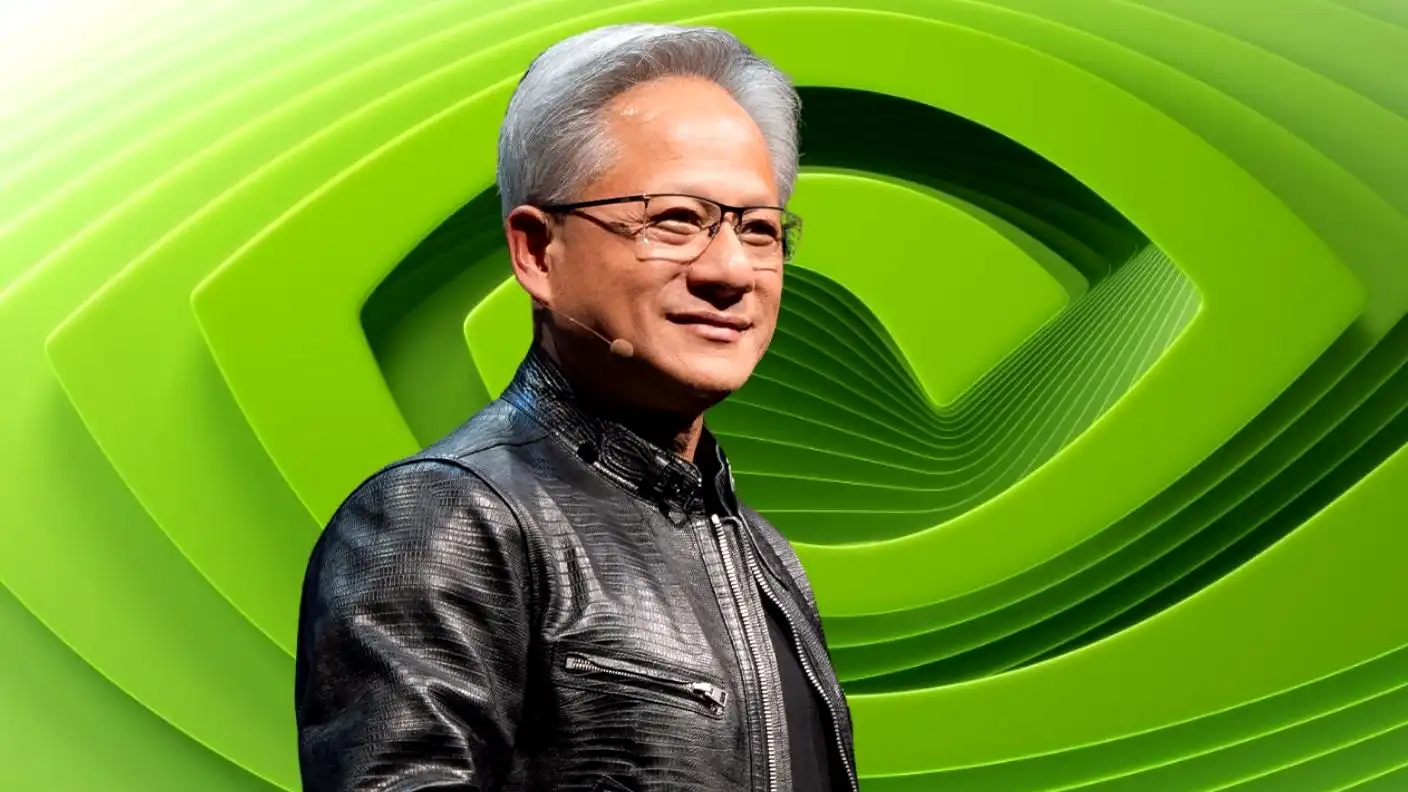
- Nvidia CEO Jensen Huang met SK Group Chairman Chey Tae-won in Taipei on June 1, 2026, celebrating SK Hynix’s historic $1 trillion market cap.
- Huang will launch a high-profile tour in Seoul starting June 4, 2026, to secure advanced hardware and software partnerships across South Korea.
- The upcoming meetings will bring together leaders from SK, LG, Naver, and potentially Hyundai Motor to discuss AI memory, robotics, and physical AI.
- Public excitement in South Korea has surged ahead of the visit, with online enthusiasts launching a live map tracking Nvidia’s chief’s itinerary.
The global race for artificial intelligence supremacy has brought together the world’s most powerful hardware and chipmaking executives in a highly high-profile bilateral meeting. On Monday, June 1, 2026, Nvidia CEO Jensen Huang met privately with SK Group Chairman Chey Tae-won in Taipei, Taiwan, during the Computex technology trade show. The meeting served as an opportunity to celebrate a historic milestone: South Korea’s SK hynix recently reached a massive market capitalization of US$1 trillion. This spectacular valuation surge underscores how critical SK’s high-bandwidth memory (HBM) technology has become to Nvidia’s dominant AI graphics processing platforms.
Both executives traveled to the Taiwanese capital to participate in Computex, one of Asia’s largest and most influential technology exhibitions. According to an official social media post by SK Group on Tuesday, June 2, 2026, the discussion focused heavily on deepening the two companies’ collaborative efforts in AI memory. By matching Nvidia’s high-performance processor architectures with SK hynix’s next-generation memory bandwidth—which accounts for roughly 1.5% of South Korea’s total annual export value—the companies are working to lay the physical foundation for the next major epoch of global computing. The meeting allowed both sides to reflect on their joint achievements while reaffirming their long-term commitment to opening a new chapter in global AI infrastructure.
Following the Taipei discussions, the Nvidia chief is preparing to launch an intensive, highly anticipated diplomatic tour of South Korea. Industry sources report that Huang’s trip to Seoul will begin on Thursday night, June 4, 2026, setting the stage for a series of high-stakes meetings with the country’s premier corporate leaders. South Korea’s highly advanced manufacturing hubs and robust digital ecosystems make it an indispensable partner for Nvidia’s long-term supply-chain strategy. This scheduled visit has triggered widespread interest across both local financial markets and the general public, who are eager to see how these discussions will shape the global technology cold war.
On Friday, June 5, 2026, Huang will host a series of critical, closed-door meetings with the heads of major South Korean conglomerates. Among the executive elite scheduled to participate are SK’s Chey Tae-won, LG Group Chairman Koo Kwang-mo, and Lee Hae-jin, the founder and chairman of local search and internet giant Naver. Furthermore, Hyundai Motor Group Executive Chair Euisun Chung is reportedly considering joining the high-level talks, signaling a potentially massive partnership. By bringing together leaders from the semiconductor, consumer electronics, internet software, and automotive manufacturing sectors, the meetings aim to foster a highly coordinated, cross-industry technology alliance.
The tech tour will continue through the weekend, bridging the gap between hardware infrastructure and consumer software applications. Industry watchers expect Kim Taek-jin, the Chief Executive Officer of NC Corp.—one of South Korea’s premier gaming and interactive entertainment developers—to meet with Huang on Sunday, June 7, 2026. Nvidia’s graphics processors have historically underpinned the global gaming industry, and this meeting will likely explore how generative AI models can automate and accelerate game development pipelines, reduce production costs, and create highly immersive virtual worlds.
While semiconductor supply chains will undoubtedly dominate the agenda, business observers expect the discussions to explore highly speculative new frontiers, particularly robotics and physical AI. Physical AI—the integration of advanced machine-learning models with real-world physical machines and automated systems—represents the next major industrial supercycle. Before his trip, Huang explicitly cited South Korea as a prime destination for Nvidia’s targeted robotics investments. By combining South Korea’s world-leading precision manufacturing, heavy electronics plants, and advanced automated assembly lines with Nvidia’s AI computing platforms, the emerging alliance could accelerate the commercial deployment of autonomous humanoid systems.
Huang’s fondness for South Korea’s local business culture is already well known, following a highly publicized informal gathering during his previous trip. In October 2025, while attending the Asia-Pacific Economic Cooperation (APEC) CEO Summit in the historical southeastern city of Gyeongju, the billionaire executive drew widespread media attention in East Asia. Huang joined Samsung Electronics Chairman Lee Jae-yong and Hyundai’s Euisun Chung for a late-night meal of traditional Korean fried chicken and beer, locally known as “chimaek.” This casual, high-profile gathering demonstrated the warm, highly personal relationships that the Nvidia chief has cultivated with the country’s business elite, laying the groundwork for the formal corporate alliances on display today.
The public anticipation surrounding Huang’s arrival has reached a fierce pitch in South Korea, demonstrating his status as a true technology celebrity. Local internet users are actively sharing and tracking his planned itinerary. An anonymous online enthusiast operating under the pseudonym “Jun” created a detailed, live digital map that tracks Huang’s potential movements, local news reports, and rumored restaurant visits across Seoul. This level of public scrutiny and excitement is highly unusual for a corporate executive, illustrating how deeply the global artificial intelligence boom has captured the public imagination in one of the world’s most tech-literate societies.
Ultimately, the high-stakes meetings scheduled for this week represent a vital step forward for the global hardware supply chain. As Nvidia works to secure the physical components needed to feed its trillion-dollar market valuation, its relationship with South Korea’s corporate titans is more critical than ever. By coordinating directly with the leaders of SK, LG, Naver, and Hyundai, Huang is building a highly resilient, cross-border technology ecosystem. Whether these discussions translate into immediate joint ventures in robotics or accelerate the deployment of next-generation memory chips, the boardrooms of Seoul are actively mapping out the future of physical artificial intelligence.