Key Points:
- Brent crude oil prices jumped 3.17% to reach $104.50 a barrel on Monday.
- United States West Texas Intermediate crude rose by $3.06 to hit $98.48 per barrel.
- The United States and Iran failed to reach an agreement on a new Washington peace proposal.
- The Strait of Hormuz remains closed, severely limiting the global energy supply.
Oil prices jumped more than $3 a barrel on Monday evening. Global energy markets reacted violently after the United States and Iran failed to agree on a new peace proposal. Washington diplomats drafted the peace plan, hoping to end the ongoing conflict. However, the talks collapsed, leaving the vital Strait of Hormuz completely closed to commercial shipping traffic. This massive disruption keeps global energy supplies extremely tight and pushes prices higher across the board.
The sudden breakdown in negotiations sent shockwaves through international financial markets. Brent crude futures, the main global benchmark for oil, climbed $3.21 during late trading. This represents a massive 3.17% jump in a single day. By 5:03 PM EST, the price of Brent crude officially settled at a staggering $104.50 a barrel. Crossing the $100 threshold signals deep panic among energy traders who fear a severe worldwide oil shortage.
American energy markets experienced the same dramatic price spikes. United States West Texas Intermediate crude jumped by $3.06 during the Monday trading session. This 3.21% increase pushed the domestic oil price to $98.48 a barrel. West Texas Intermediate now sits just inches away from breaking the psychological $100 barrier. Market analysts expect prices to rise further if the two nations refuse to resume diplomatic talks later this week.
Washington officials spent weeks crafting the latest peace proposal. They hoped to offer terms that would satisfy both American security interests and Iranian political demands. Negotiators wanted to establish a temporary ceasefire to allow massive oil tankers safe passage through the region. Unfortunately, both sides walked away from the table without signing a deal. Government leaders refused to compromise on key military issues, guaranteeing the conflict will continue for the foreseeable future.
The ongoing closure of the Strait of Hormuz creates a massive logistical nightmare for the entire world. This narrow body of water serves as the most important oil transit chokepoint on the planet. Under normal conditions, roughly 20 million barrels of oil pass through this strait every single day. That massive volume accounts for nearly 20% of the total global oil supply. With military forces blocking the waterway, energy companies simply cannot deliver fuel to their international customers.
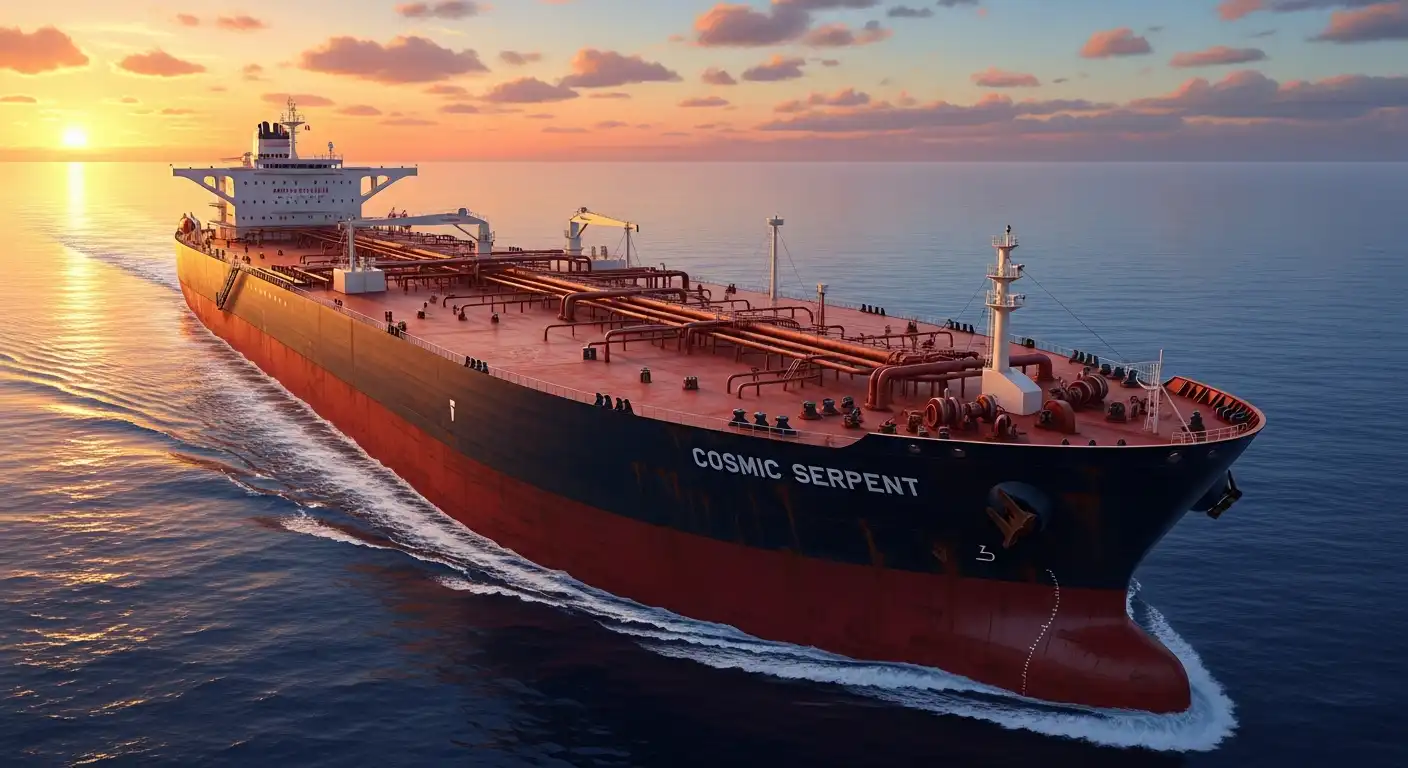
Energy producers now scramble to find alternative routes to transport their crude oil. Many companies force their massive cargo ships to take much longer paths around the globe. These extreme detours add thousands of miles to the journey and burn massive amounts of extra fuel. Shipping companies also charge much higher freight rates to cover the extreme risk of operating in an active war zone. Ultimately, everyday consumers pay for these massive shipping costs when they fill up their cars at the local gas station.
Asian economies face the highest risk from this ongoing diplomatic standoff. Countries like China, Japan, and South Korea buy enormous amounts of crude oil directly from the Middle East. These nations lack the domestic energy resources needed to power their massive manufacturing sectors. Without regular shipments passing through the Strait of Hormuz, Asian factories face severe power shortages and temporary shutdowns. Government officials in Tokyo and Beijing now urge the United States to fix the diplomatic crisis quickly.
Inside the United States, government officials explore emergency options to protect domestic consumers. The White House could authorize another major release of crude oil from the Strategic Petroleum Reserve. Pouring millions of backup barrels into the open market might temporarily stop prices from rising further. However, the national reserve already sits at its lowest level in several decades. Energy experts warn that draining the emergency stockpiles now leaves the country vulnerable to future natural disasters or sudden supply shocks.
The sudden spike in crude oil prices also threatens to trigger another massive wave of global inflation. High oil prices quickly increase the cost of manufacturing, agriculture, and retail transportation. Factories pay more money to run their heavy machinery. Farmers spend extra cash to fuel their tractors and harvest crops. Trucking companies pass their rising diesel costs directly to grocery stores and retail shops. As a result, families pay higher prices for food, clothing, and basic household goods.
Other oil-producing nations struggle to replace the missing barrels. Members of the OPEC oil cartel simply cannot pump enough extra crude to offset the closed shipping lane. Many of these countries already pump oil at their absolute maximum capacity. They lack the necessary infrastructure to drill new wells or expand their current export terminals quickly. This hard physical limit on production guarantees that global supply will remain extremely tight as long as the strait stays shut.
Energy traders brace for even more chaos in the coming days. Investors closely watch Washington and Tehran for any signs of a renewed diplomatic effort. Until political leaders sign a binding peace agreement, massive oil tankers will remain stranded at their home ports. Market experts warn that a prolonged closure of the Strait of Hormuz could easily push crude oil prices past $120 a barrel before the end of the month.