Key Points:
- A massive tanker loaded with Qatari liquefied natural gas is currently navigating the heavily contested Strait of Hormuz.
- If the journey succeeds, the ship will become the first Qatari export to leave the region since late February.
- The vessel uses a specific Tehran-approved northern route and plans to deliver its cargo to Pakistan.
- The ongoing military blockade choked off global fuel supplies and triggered severe shortages across emerging Asian markets.
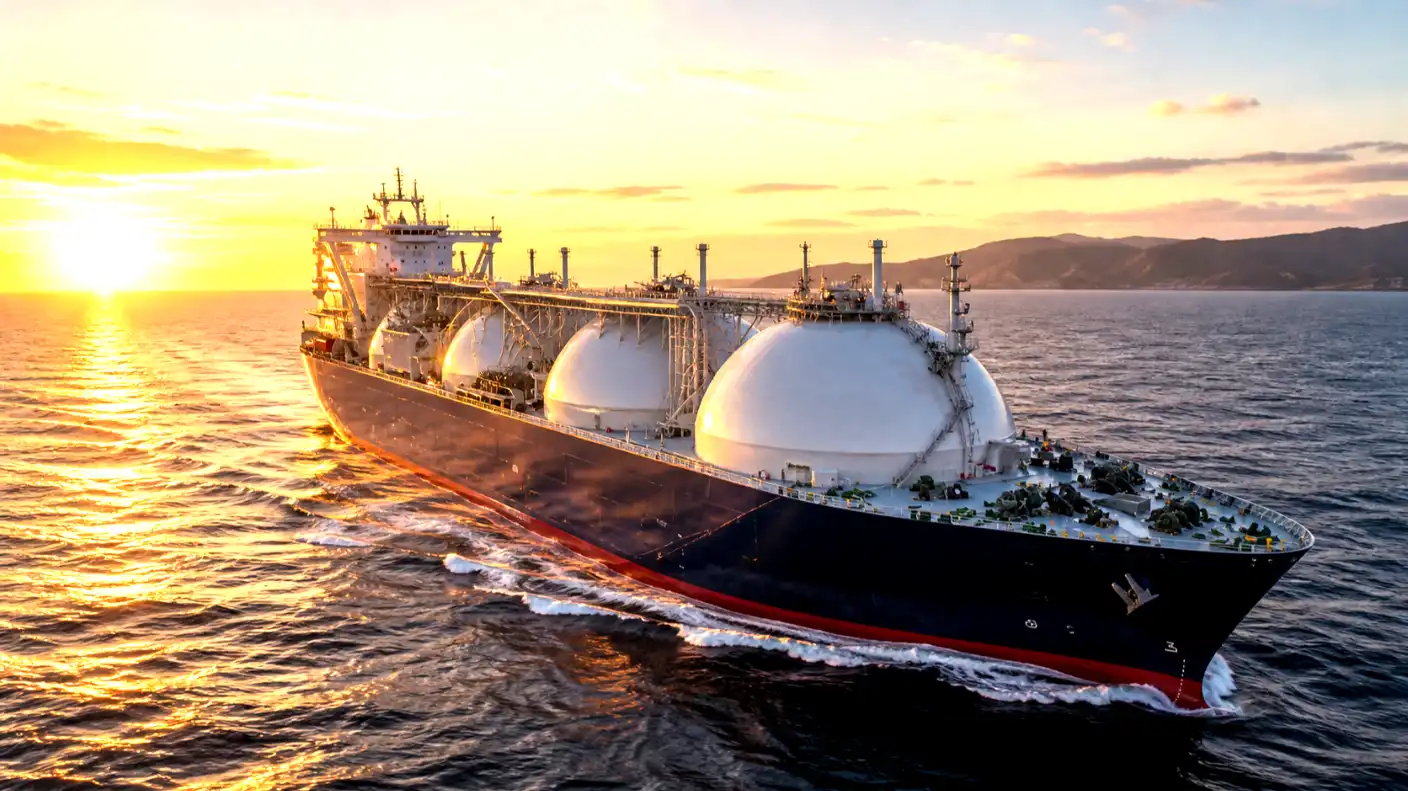
A massive tanker carrying liquefied natural gas from Qatar is currently attempting a highly dangerous journey through the Strait of Hormuz. The vessel, named the Al Kharaitiyat, carries thousands of tons of super-chilled fuel. If the crew navigates the treacherous waters successfully, the trip will mark a major milestone for global energy markets. It will become the very first Qatari export to leave the region since the Iran war erupted successfully.
The military conflict started at the end of February and immediately paralyzed the Middle East energy trade. For months, Qatar watched its massive fleet of transport ships sit idle in the Persian Gulf. The country holds massive natural gas reserves and produced nearly 20 percent of the total global supply last year. However, a country cannot sell its gas if its ships cannot physically reach the open ocean.
Ship-tracking data compiled by Bloomberg shows the exact location of the Al Kharaitiyat. The vessel loaded its cargo at the massive Ras Laffan export plant earlier this month. Right now, the ship sails through the narrow waterway that separates Oman and Iran. According to the maritime tracking systems, the captain listed Pakistan as the final destination for the valuable cargo.
To survive the journey, the ship must follow very strict rules. The tracking data reveal that the tanker is actively navigating a specific northern route. This path takes the ship close to the Iranian islands of Qeshm and Larak. Maritime experts note that Tehran officially approved this specific route, suggesting that the shipping company negotiated a safe-passage agreement with Iranian authorities to avoid military strikes.
This current voyage represents a major test of those diplomatic agreements. Qatar made several attempts to send gas shipments through the Strait of Hormuz over the past 2 months—every single one failed. Military activity and regional tension forced each previous tanker to turn around and retreat to safety before crossing the critical chokepoint.
The failure of those past shipments created massive problems for the rest of the world. The effective closure of the Strait of Hormuz choked off the global supply of super-chilled fuel. Without reliable shipments leaving the Middle East, global energy prices skyrocketed almost overnight as buyers panicked.
Emerging markets across Asia felt the heaviest impact of this price shock. Countries that rely on imported gas to run their power plants suddenly faced massive energy shortages. Factories had to slow down production, and utility companies struggled to keep the lights on for everyday citizens. If the Al Kharaitiyat reaches Pakistan safely, it will bring immediate relief to a country desperate for affordable energy.
Commercial vessels continue to face severe security threats in the region. The waterway is caught in a highly complex geopolitical standoff. Both Iran and the United States imposed de facto blockades. American naval forces try to stop shipments that benefit Tehran financially, while Iranian forces threaten ships associated with Western allies. Commercial captains must dodge military vessels from both sides just to deliver their cargo.
Despite the heavy military presence, a few ships recently managed to slip through the net. Earlier this week, Bloomberg reported that at least 2 liquefied natural gas tankers successfully crossed the strait. These ships loaded fuel at an export plant owned by Abu Dhabi National Oil Company in the United Arab Emirates.
These successful journeys from Abu Dhabi offer the energy market some tentative signs of hope. Traders want to believe that more fuel flows will resume in the coming weeks. However, the current situation still looks grim compared to the recent past. Sneaking a few tankers through the blockade remains a far cry from pre-war operations. Before the conflict began, roughly 3 gas shipments traveled safely through the Strait of Hormuz every single day.
Shipping databases indicate that a Qatari company, Nakilat, owns the Al Kharaitiyat. The company operates one of the largest liquefied natural gas fleets in the world. Reporters reached out to both Nakilat and the state-owned energy giant QatarEnergy for comment on the current voyage. Neither company provided an immediate response outside of normal business hours. The entire energy industry now closely monitors the tracking data, waiting to see if the ship makes it to the Arabian Sea.