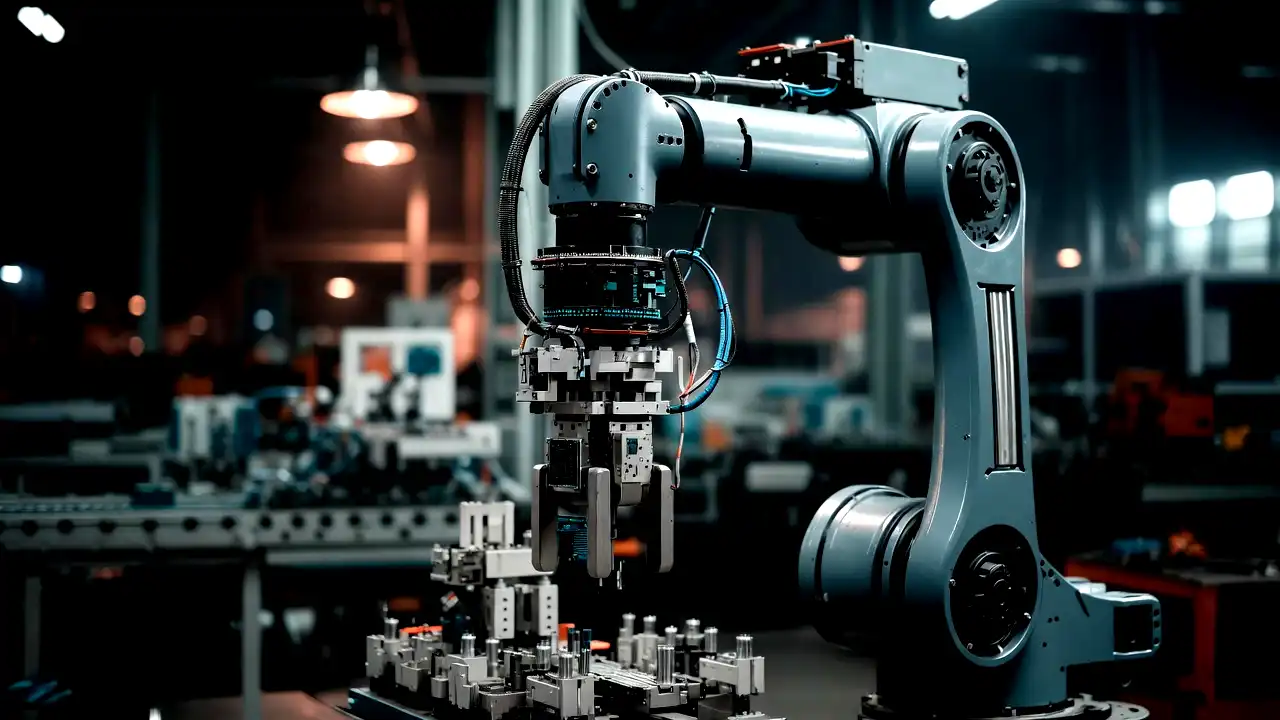
Factories used to be loud, dirty, and dangerous places. We picture sweat, gears, and exhausted workers pulling levers. That image is fading fast. In 2026, the modern factory floor is quiet, clean, and incredibly efficient. We are seeing a massive shift where robotics is not just an add-on; it is the heartbeat of industry. This isn’t about replacing people with metal. It is about reaching a level of speed and perfection that human hands simply cannot match on their own.
Cobots Are the New Coworkers
For a long time, industrial robots were big, scary monsters locked inside safety cages. If you got too close, they could kill you. Today, we have “cobots,” or collaborative robots. These machines are sensitive and smart. They work right next to a human on the assembly line. Imagine a robot arm holding a heavy car door steady while a human worker connects the delicate wiring. The robot handles the weight; the human handles the skill. If the worker bumps into the arm, it stops instantly. This partnership doubles productivity without sacrificing safety.
The Warehouse That Thinks for Itself
Online shopping demands speed. We want our packages tomorrow, not next week. To make this happen, warehouses have turned into hives of activity run by autonomous mobile robots. These look like flat sleds that zip around the floor, carrying pallets of goods. They don’t need a break, and they don’t get backaches. They talk to a central computer that plots the fastest route for every item. Humans no longer walk ten miles a day pushing carts. They stand at stations, and the inventory comes to them.
Precision Beyond Human Ability
Humans get tired. Our eyes get blurry after staring at small parts for hours. A robot never blinks. In industries like electronics or medical device manufacturing, precision is everything. A robot can weld a microscopic seam perfectly ten thousand times in a row. It detects flaws that the human eye would miss. This drastically reduces waste. When you make a product right the first time, you save money on materials and energy. This level of quality control is becoming the standard, not the exception.
Running the Night Shift Alone
The most efficient factory is one that never turns off. We are seeing the rise of “lights-out” manufacturing. This means the factory keeps running at full speed even when the human crew goes home for the night. Robots don’t need lights, air conditioning, or coffee breaks. They load raw materials, machine parts, and stack finished products in the dark. When the human managers arrive in the morning, they review the data and inspect the night’s output. This allows companies to double their production without asking workers to work double shifts.
Dangerous Jobs Become History
Some jobs are simply too dangerous for people. Working with toxic chemicals, extreme heat, or heavy crushing hazards has injured too many workers over the years. Robotics is solving this moral problem. We are handing the dirty, dull, and dangerous tasks to machines. A robot can spray paint a car chassis without worrying about fumes. It can pour molten steel without fear of burns. This lowers insurance costs and keeps the human workforce healthy and available for smarter tasks.
The Rise of the Robot Mechanic
Critics often scream that robots kill jobs. They miss the new jobs being born. A factory full of robots needs a team of skilled humans to keep them running. We are seeing a boom in demand for robot maintenance technicians and programmers. The blue-collar worker of the future isn’t tightening a bolt on a product; they are calibrating the arm that tightens the bolt. These jobs pay more and require less physical strain. We are trading manual labor for technical skill.
Conclusion
The efficiency-driven industry of the future is a partnership. We provide the creativity, the strategy, and the oversight. The robots provide the muscle, the endurance, and the precision. By embracing this technology, we lower the cost of goods, improve safety, and free human workers from the most robotic parts of their jobs. We aren’t building a world without workers; we are building a world where work is less of a struggle.