Key Points:
- Samsung researchers trained an artificial intelligence algorithm to predict sudden fainting spells.
- The Galaxy Watch provided users with a clear warning up to 5 minutes before they collapsed.
- The new health software achieved an 84.6 percent accuracy rate during hospital trials.
- Nearly 40 percent of people experience this specific type of sudden fainting during their lifetime.
Fainting itself rarely causes long-term medical harm, but the sudden collapse often leads to devastating secondary injuries. When people pass out without warning, they fall and hit their heads on hard floors or sharp furniture. These dangerous falls cause severe concussions, broken bones, and expensive hospital visits. Now, Samsung says its smartwatches can prevent these accidents by giving wearers a few minutes to reach safety.
The tech giant developed a new way to predict vasovagal syncope, the most common type of fainting. The Mayo Clinic explains that this condition happens when the human body overreacts to specific triggers. Some people faint when they see blood, while others pass out from extreme emotional distress. The trigger causes the heart rate and blood pressure to drop rapidly. The brain suddenly loses its blood supply, and the person blacks out.
Professor Jun Hwan Cho, a researcher who studied the condition, noted that up to 40 percent of people will experience this specific type of fainting at some point in their lives. To solve the problem, Samsung teamed up with doctors at Chung-Ang University Gwangmyeong Hospital in Korea. The joint team wanted to see whether everyday wearable technology could detect hidden warning signs right before a person collapsed. They published their successful findings in the European Heart Journal.
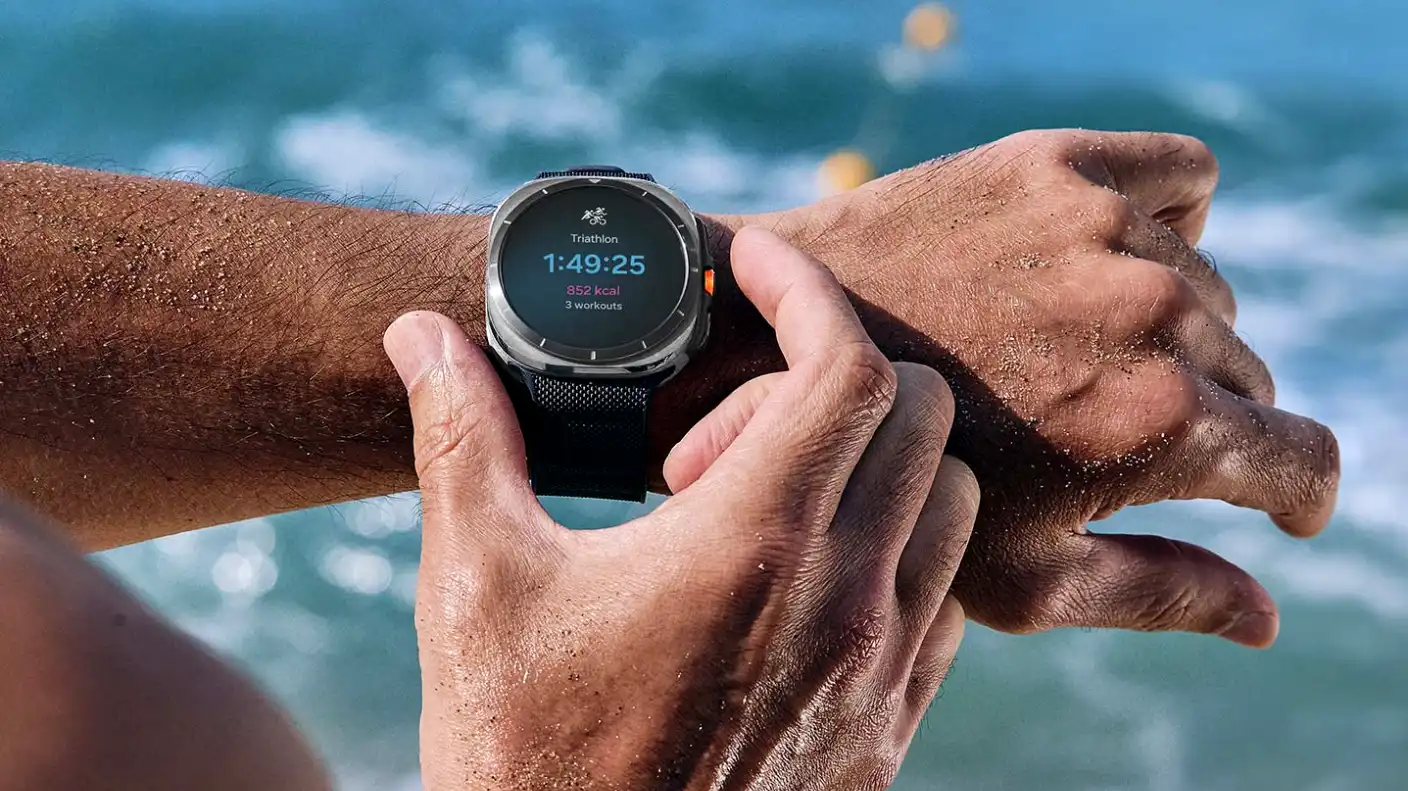
The research team gathered 132 patients who already suffered from suspected fainting symptoms. The doctors placed the patients in a safe, controlled hospital environment and ran tests to induce a fainting spell. During the tests, the patients wore a standard Galaxy Watch. The watch uses a special light sensor, called a photoplethysmography sensor, to constantly monitor the blood pumping through the wrist. This tiny tool tracks both the heart rate and the pulse rhythm.
Samsung engineers then fed that raw sensor data into a custom artificial intelligence algorithm. The software closely examined heart rate variability, searching for tiny shifts that occur just before the blood pressure drops. The results shocked the medical community. The smartwatch successfully predicted the impending fainting episodes up to 5 minutes before the patients actually passed out.
The algorithm proved incredibly reliable during the hospital trials. Samsung reported an overall prediction accuracy of 84.6 percent. The software also achieved a highly sensitive clinical rating of 90 percent and a specificity rating of 64 percent. The company confidently called the hospital study a world-first breakthrough in fainting prediction technology.
A 5-minute warning completely changes how people manage their condition. If a watch vibrates and alerts a user about an incoming fainting spell, that person has plenty of time to react. A driver can safely pull their car onto the shoulder of the highway. A person walking down a flight of stairs can sit down on the steps. Someone standing in a kitchen can lie flat on the floor and call a family member for help. This short warning window eliminates the risk of a dangerous surprise fall.
Jongmin Choi leads the Samsung Health research and development group. He praised the new technology for changing how society handles personal wellness. He explained that modern medicine usually focuses on treating injuries after a patient arrives at the emergency room. He wants wearable technology to shift the entire healthcare model toward preventive care, preventing injuries from ever happening in the first place.
Despite the massive success in the lab, everyday buyers cannot use this feature just yet. Samsung refused to provide a release date for the fainting prediction tool. The company needs to move very carefully before pushing medical alerts to millions of consumer watches. Launching health software requires strict approval from government regulators, and the company wants to avoid any potential legal issues if the watch fails to detect a fainting spell.
However, Samsung clearly stated its plan to accelerate the release of personalized health solutions. The company already packs its newest Galaxy Watch 8 with heavy medical technology. The current watch model detects sleep apnea, spots irregular heart rhythms, measures blood oxygen levels, and monitors antioxidant levels. Adding a fainting alert is simply the next logical step as tech companies turn wristwatches into full-time personal doctors.