Key Points:
- Scientists discovered a new CRISPR protein that destroys sick cells rather than fixing their broken genes.
- The protein acts like a molecular paper shredder, ripping apart the DNA of cancer- and virus-infected cells.
- In lab tests, the tool reduced lung cancer cell growth by 50% and killed over 90% of HPV-infected cells.
- The treatment completely ignores healthy tissue, which could allow doctors to treat severe diseases with 0 side effects.
Scientists discovered a brand new version of CRISPR technology that destroys sick cells instead of trying to fix them. This massive breakthrough shows enormous potential to eliminate dangerous diseases while keeping healthy human tissue perfectly safe. Right now, researchers perform most of their tests on cells sitting in a plastic lab dish. However, if doctors can adapt this technology for use in living organisms, it will provide a powerful new weapon for treating deadly illnesses and advancing medical research.
Traditional CRISPR technology completely changed the world of science and modern medicine. It gave doctors hope that they could eventually fix the root causes of inherited genetic diseases. The most famous CRISPR protein, known as Cas9, works just like a tiny pair of molecular scissors. Doctors use Cas9 to make 1 extremely precise edit to a specific piece of DNA to repair a genetic mistake.
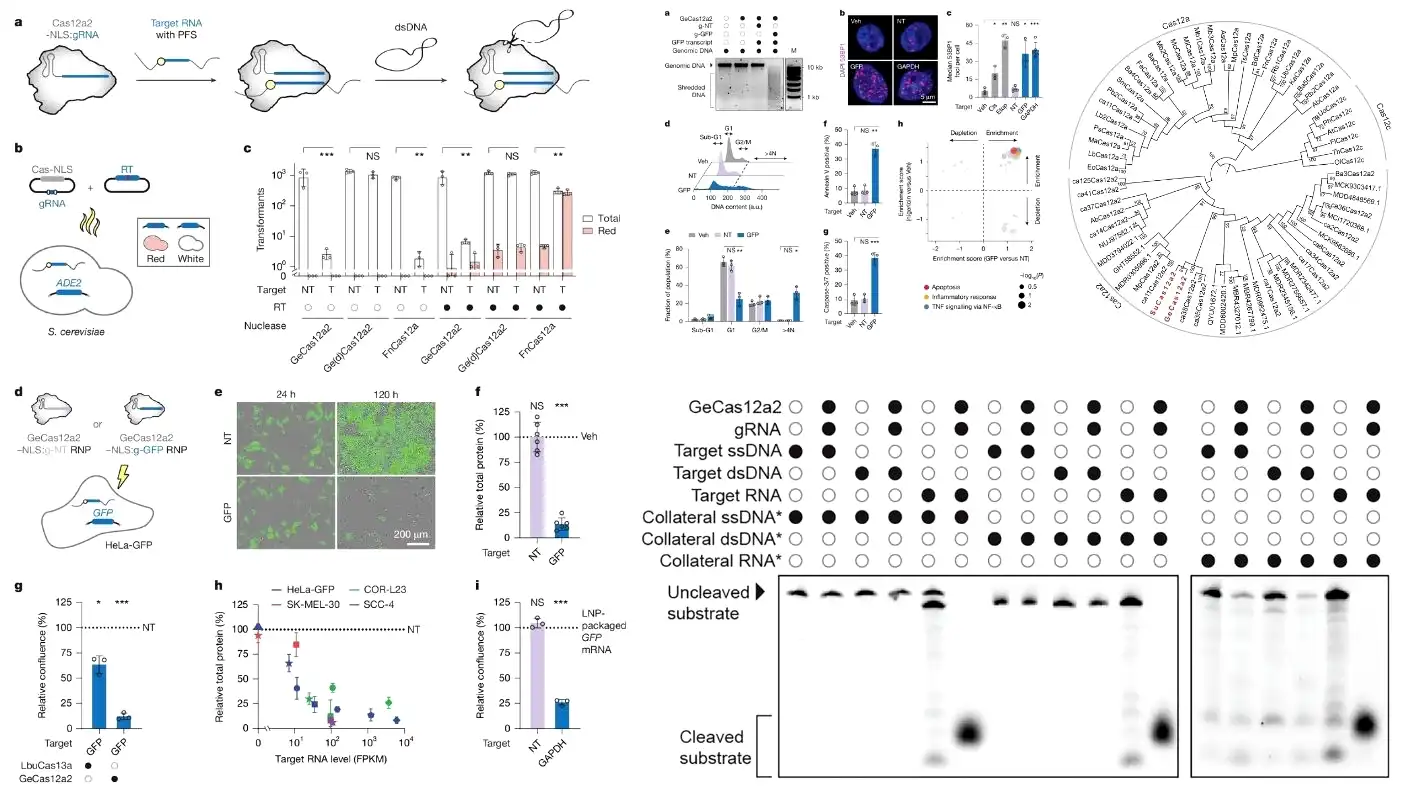
The new technology takes a much more aggressive approach to treating illness. It uses a recently discovered CRISPR protein called Cas12a2. Instead of acting like careful scissors, this new protein acts exactly like a ruthless paper shredder. When a specific target activates the protein, it completely rips the cell’s genome apart. Researchers can program this lethal action to hunt down and destroy harmful cancer cells or cells infected by dangerous viruses.
Jared Thompson works as a graduate researcher in biochemistry at the University of Utah Health. He helped author the new study and explained the massive hurdle doctors currently face. Thompson noted that medical professionals constantly struggle to eliminate harmful cells without damaging the healthy tissue right next to them. He said biomedical researchers worldwide focus heavily on solving this exact problem, and Cas12a2 offers a very promising tool to achieve that goal finally.
To understand the power of this tool, you must look at how it spots a target. The traditional Cas9 protein searches for a specific DNA sequence and makes a single cut. The new Cas12a2 protein looks for a very specific genetic sequence hidden within an intermediate product called RNA. Just like regular CRISPR, scientists can easily program exactly which sequence will activate the protein. But once Cas12a2 spots its target, it starts hacking apart the DNA and simply refuses to stop.
Yang Liu serves as an assistant professor in biochemistry at the University of Utah Health and helped lead the new research. He explained that this new protein does not want to correct anything inside the body. Instead, the protein exists only to destroy anything it sees. The targeted cell quickly becomes overwhelmed by massive DNA damage and is forced to self-destruct.
This extreme destruction might sound much more dangerous than a helpful medical treatment. However, the science team can easily target the molecule so it only wakes up when it touches RNA sequences found exclusively in cancer cells or dangerous viruses. If the protein does not see the bad RNA, it simply stays asleep and does no harm to the body.
The team tested this cancer-killing power on a specific mutation in a gene called KRAS. This dangerous mutation causes human cells to grow rapidly and form cancerous tumors. When scientists dropped Cas12a2 onto human lung cancer cells in a lab dish, the protein reduced the cancerous growth by 50%. This impressive reduction matched the exact performance of established anticancer chemotherapy drugs like cisplatin.
The biggest difference between this new CRISPR tool and standard chemotherapy lies in their impact on healthy tissue. Chemotherapy poisons the entire body and causes massive discomfort for the patient. The Cas12a2 protein did not harm cells that carried a normal, healthy KRAS gene. Liu pointed out that the enzyme acts with extreme specificity and avoids healthy cells. He admitted that treating cancer with 0 side effects surprised his entire team, as they originally did not know such precision was even possible.
Beyond fighting tumors, the research team targeted infectious diseases. They programmed the protein to attack the human papillomavirus, which causes genital warts and deadly cervical cancer. The university partnered with experts at Akribion Therapeutics for these specific tests. They discovered that Cas12a2 slashed the growth of HPV-infected cells in a dish by over 90% without harming nearby healthy cells.
The team took a massive step forward by testing the process in living animals. They injected the HPV-targeted protein straight into virus-infected tumors inside living mice. The injection successfully slowed tumor growth, demonstrating that the treatment can work in complex animal models. Liu stated that doctors could quickly program the tool to hunt down other stubborn viral diseases, including HIV.
The researchers face a long and difficult path before they can offer this therapy to human patients. They must run extensive tests to verify safety in animals before they even consider running clinical trials in people. Thompson cautioned that different human organs might react strangely when they absorb the raw protein. On top of that, delivering sufficient protein to the exact right spot in the body remains a massive biological challenge. Still, the team published their successful early results in the journal Nature and feel incredibly optimistic about the road ahead. When reporters asked about the ultimate goal, Liu simply stated he wants to cure the incurables.
Source: Nature (2026).