Key Points:
- Samsung Electronics reached a $1 trillion market capitalization thanks to high demand for specialized AI memory chips.
- The South Korean technology giant joins Nvidia, TSMC, and Broadcom in a new wave of hardware companies hitting the milestone.
- Apple started the original $1 trillion club in August 2018, leading a massive wave of software and internet companies to join.
- Investors now heavily reward companies that manufacture physical artificial intelligence infrastructure and control supply chain bottlenecks.
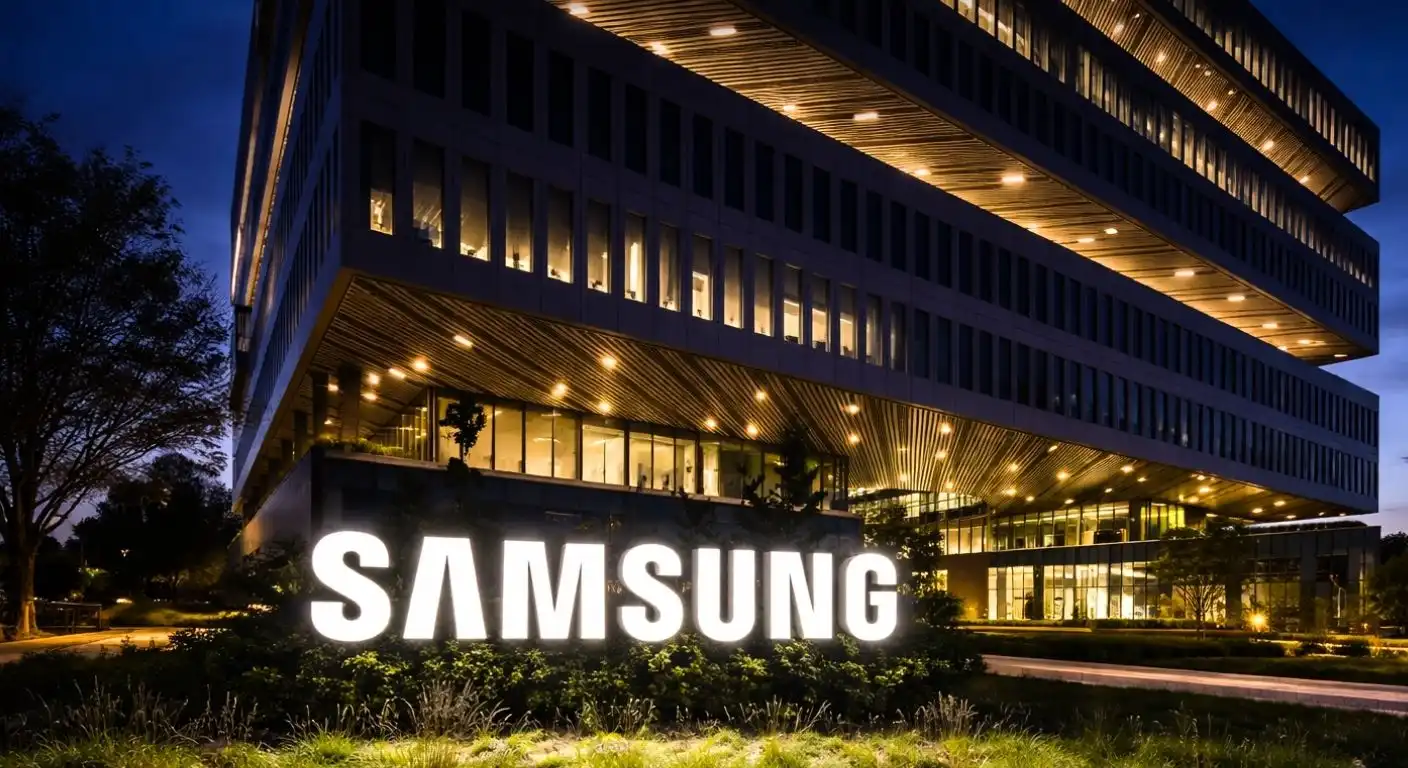
Market royalty just received a major physical upgrade. Samsung Electronics successfully pushed its total market capitalization past the $1 trillion mark. The massive South Korean technology giant became the latest company tied directly to the artificial intelligence boom to enter Wall Street’s most exclusive financial tier. Investors poured billions of dollars into the stock, recognizing the company’s crucial role in building the physical foundation for modern computing. The achievement marks a major victory for companies that manufacture physical goods rather than just writing software code.
Samsung brings a very specific and highly valuable piece to the global computing puzzle. The company manufactures massive amounts of memory chips, including the highly specialized high-bandwidth memory that artificial intelligence systems require to function properly. Without these advanced memory chips, massive data centers cannot process the vast amounts of data required to train new software models. The central processing units might act as the brains of a computer, but they desperately need high-speed memory to hold the thoughts. This overwhelming demand for physical parts pushed Samsung straight into the financial elite.
For many years, the $1 trillion club served as a massive monument to American software and platform power. Technology giants that built consumer applications, internet search engines, and social media networks dominated the very top of the financial charts. Today, the newer wave of market leaders looks entirely different. The companies driving the biggest financial gains right now actually manufacture the physical chips, silicon memory boards, and complex networking infrastructure that make all the new digital tools possible.
We can trace the original trillion-dollar technology wave back to August 2018. Apple made financial history that month when it became the first public company in the United States to reach a $1 trillion valuation. A steady line of internet and platform giants quickly followed Apple to the top of the mountain. Amazon, Microsoft, Alphabet, Meta, and Tesla all crossed the massive threshold over the next few years. They built their massive valuations on selling smartphones, offering cloud storage subscriptions, dominating search advertising revenue, and creating momentum in electric vehicles.
The modern hardware wave started a few years later as the artificial intelligence compute trade completely exploded. Nvidia kicked off this new era when it crossed the $1 trillion line in May 2023. The chip designer saw its total value skyrocket because major technology companies desperately needed its graphics processing units to train complex data models. Nvidia showed the entire stock market that supplying the necessary picks and shovels for the digital gold rush could generate historic profits.
Other massive hardware manufacturers soon joined Nvidia at the top of the market. Taiwan Semiconductor Manufacturing Company, widely known as TSMC, crossed a major financial milestone in 2024. Global investors heavily rewarded TSMC because it is the most important advanced chip manufacturer on the planet. Broadcom also joined the highly exclusive group later that same year. Broadcom built its massive valuation by riding a massive wave of intense demand for custom artificial intelligence chips and complex data networking equipment.
The stock market makes one thing very clear right now. The current technology boom does not just lift the popular companies that build shiny new software tools for everyday consumers. It actively pulls the quiet suppliers of scarce physical computing parts into the top tier of global finance. Right now, artificial intelligence heavily rewards the bottlenecks. If a specific company controls a necessary physical component that everyone else desperately needs to build their systems, its total financial value skyrockets.
The trillion-dollar club does not strictly limit its membership to technology and hardware companies, even though they currently dominate the list. A few traditional businesses recently managed to climb the financial mountain. Berkshire Hathaway made global headlines in 2024 when it became the first non-tech company in the United States to surpass the $1 trillion mark. The massive investing conglomerate showed that traditional business strategies could still compete with the massive growth of the modern digital sector.
The everyday retail sector also finally claimed a major spot in the highly exclusive financial tier. Walmart achieved a massive corporate milestone when it officially became the first traditional retailer to join the club in 2026. The massive retail chain used its sprawling physical store footprint and huge grocery business to push its total market capitalization past $1 trillion. Walmart proved that selling everyday items to millions of physical shoppers still generates incredible wealth.
Other global industries occasionally experience their own massive trillion-dollar moments. The American pharmaceutical giant Eli Lilly briefly pushed past the massive valuation mark thanks to explosive consumer demand for its highly popular new weight-loss drugs. Meanwhile, massive global energy companies like Saudi Aramco and PetroChina proved that pumping oil and controlling vital natural resources can easily generate immense wealth and push corporate valuations well past the $1 trillion barrier.
Despite these rare exceptions in the retail, medicine, and oil industries, the newest and fastest-growing cluster of market giants comes directly from artificial intelligence infrastructure. Samsung crossing the massive finish line simply confirms this heavy market shift toward physical hardware. As technology giants plan to spend hundreds of billions building out massive new data centers over the next decade, the companies manufacturing the physical computer components will likely continue to dominate the global financial markets.