Key Points
- Samsung is acquiring ZF’s autonomous driving unit for $1.8 billion. The new technology will integrate with Samsung’s Harman subsidiary.
- The deal includes advanced cameras and sensors for driver safety.
- Samsung is diversifying its business beyond smartphones and memory chips.
- The sale helps the German supplier, ZF, manage debt and industry challenges.
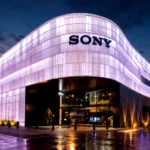
Samsung Electronics is making a major push into the future of the auto industry. On Tuesday, the company announced a $1.8 billion deal to buy the autonomous driving unit from German car-parts giant ZF Friedrichshafen. Samsung plans to merge this new technology with its Harman subsidiary, which already handles car audio and dashboard systems. By combining these two worlds, Samsung hopes to create an “all-in-one” platform for the next generation of smart vehicles.
This acquisition gives Samsung access to some of the most advanced driver-assistance tools on the market. This includes front-facing cameras and special controllers that help cars “see” their surroundings. These systems are essential for modern safety features, including lane-keep assist, automatic braking for pedestrians, and cruise control that maintains a safe distance from other vehicles.
Samsung is best known for making Galaxy phones and memory chips, but the company wants to move into new industries. As cars become increasingly “computers on wheels,” vehicle electronics offer significant growth opportunities.
Industry experts expect the market for these advanced car controllers to jump from about $42 billion next year to over $66 billion by 2030. Samsung wants to secure its spot as a top supplier before the market explodes.
On the other side of the deal, the German supplier ZF Friedrichshafen needs the cash. While ZF is one of the largest automotive parts makers in the world, it has recently struggled with high debt and low demand for electric vehicles. The company recently announced plans to cut up to 14,000 jobs in Germany. Selling this specialized unit to Samsung helps ZF streamline its operations amid a difficult period for the European automotive sector.
This deal marks Samsung’s second major purchase in Germany this year, following a separate agreement to acquire a cooling-system manufacturer in May. Samsung expects the acquisition of the driving unit to close by 2026. Overall, the move indicates that Samsung believes the future of cars is defined by software, sensors, and safety, not just hardware.