Key Points:
- Semiconductor stocks replaced software as the primary driving force in the stock market.
- Nvidia reported massive quarterly revenue of $81.62 billion and earnings of $1.87 per share.
- The semiconductor ETF climbed 72% this year while the software ETF dropped 12%.
- Artificial intelligence allows businesses to build cheap custom tools instead of buying expensive software.
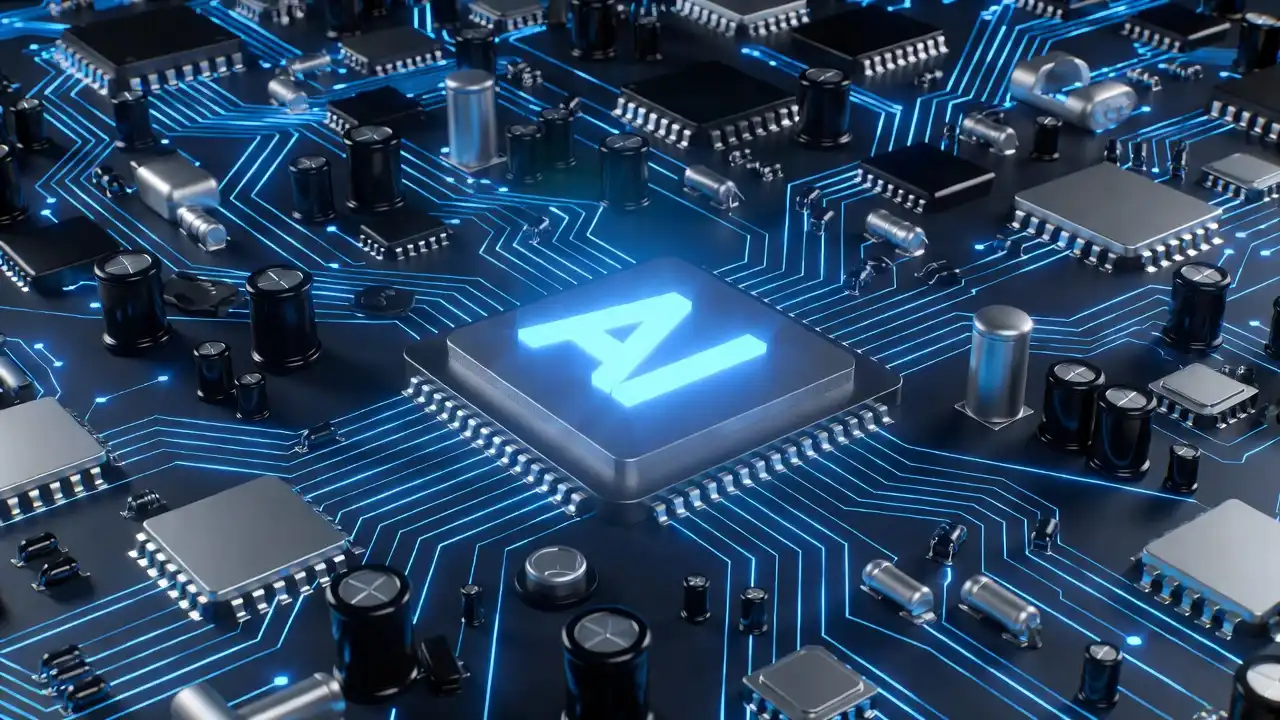
Jim Cramer, the host of the popular financial show “Mad Money,” recently declared a massive shift in the global economy. He told his viewers that semiconductor stocks now serve as the new center of gravity for the entire stock market. These hardware companies drive the massive boom in artificial intelligence, pushing older technology favorites out of the spotlight. Cramer stated clearly that a new era has arrived, putting chipmakers in charge and forcing software companies into the back seat.
This bold statement arrived right after Nvidia released a stunning quarterly earnings report on Wednesday evening. The technology giant completely shattered Wall Street analysts’ financial expectations. Nvidia posted adjusted earnings of $1.87 per share alongside a staggering revenue of $81.62 billion. These massive numbers prove that the global demand for physical computer chips continues to grow at an unprecedented pace.
Before the rise of generative artificial intelligence, software companies completely dominated the technology investment landscape. Large enterprises relied heavily on subscription-based software products to manage their daily operations. Businesses paid monthly fees for digital tools that handled everything from human resources and sales tracking to financial forecasting and information technology. These software vendors generated massive recurring revenue and enjoyed incredibly high profit margins. For years, Wall Street considered the software-as-a-service business model the absolute gold standard.
However, the explosion of artificial intelligence completely reshaped this traditional financial hierarchy. The market numbers paint a very clear picture of this dramatic shift. So far this year, the iShares Semiconductor ETF surged by roughly 72%. At the same time, the iShares Expanded Tech-Software Sector ETF tumbled by about 12%. Investors clearly see where the future lies and are moving their money accordingly.
Cramer explained exactly why the software industry faces such a steep decline. He noted that traditional software programs now face fierce competition from much cheaper alternatives. Today, companies can use artificial intelligence to develop custom tools at a fraction of the original cost. Because of this new reality, the software industry grows much more slowly than the physical side of technology. Investors now want to own the companies that build the actual semiconductors, hardware, and physical tools that make the artificial intelligence revolution possible.
Many veteran investors struggle to accept this massive shift in market leadership. Older traders often remember a time when the semiconductor industry suffered from wild boom-and-bust cycles. Historically, hardware companies never enjoyed the stability of revenue or the predictable profit margins of modern software subscriptions. Because of this history, some traditional investors find it hard to believe that Nvidia is currently the world’s most valuable company.
Cramer argued that these hesitant investors cling to an outdated worldview. He pointed out that the companies supplying the physical computing infrastructure sit at the very center of the modern economy. Major chipmakers like Nvidia, AMD, Arm, Intel, and Broadcom drive this massive technological shift. These companies build the essential physical engines that power our digital future.
When developers pair these powerful new computer chips with advanced language models from companies like Anthropic and OpenAI, the results completely change the corporate world. These combined technologies allow regular businesses to automate complex daily tasks. In the past, companies needed to buy expensive software licenses and hire large teams of workers to handle these same chores. Now, smart computers do the heavy lifting for pennies on the dollar.
Cramer emphasized that anyone can combine Nvidia hardware with systems from Anthropic or OpenAI to create custom applications. These homegrown applications easily compete with pricey enterprise software packages. This simple fact terrifies traditional software executives who suddenly realize their products no longer guarantee business survival.
This massive shift does not mean legacy software companies will simply disappear overnight. Massive corporations will still use established platforms from trusted companies like Salesforce and Adobe. However, artificial intelligence forces these customers to completely rethink their technology budgets. Business leaders no longer want to spend massive amounts of money on basic software subscriptions when AI can do the job better. This new hesitation severely weakens the pricing power that software vendors enjoyed for the past decade.
Cramer noted that the artificial intelligence boom has sown deep fear into the very fabric of the enterprise software industry. Software executives know they must adapt quickly or lose their customers to cheaper, smarter alternatives. They can no longer charge premium prices for basic digital tools because customers finally have other options.
Because of this permanent shift in the business landscape, Cramer urged investors to change their strategy immediately. He warned his audience to stop viewing the technology sector through an outdated, software-first lens. The market dynamics changed forever, and the money now flows directly to the companies building the physical chips. Cramer closed his argument with a simple warning: the world has changed, and we will never go back to the way things were.