
Key Points:
- The companies behind the LNG Canada project will decide whether to build a massive second phase by the end of this year.
- Shell and its corporate partners approved hundreds of millions of dollars on May 1 to complete the final groundwork for the project.
- The proposed expansion would double the Kitimat facility’s total production capacity from 14 million metric tons to 28 million metric tons annually.
- The company’s chief executive defended recent high levels of gas flaring, calling the excessive emissions a normal part of the initial startup process.
The corporate leaders behind the massive LNG Canada energy project plan to make a major expansion decision very soon. Canada Natural Resources Minister Tim Hodgson confirmed on Thursday that the companies will reach a final investment decision by the end of this year. This upcoming decision will determine whether the massive natural gas facility in British Columbia proceeds with a second phase of construction. Financial markets closely watch this project because it represents one of the largest private investments in Canadian history.
To prepare for this massive financial commitment, the companies involved just opened their wallets to fund preliminary work. On May 1, Shell and its project partners approved hundreds of millions of dollars in fresh funding. Hodgson explained that this large sum of Canadian currency will cover the critical final tasks the team needs to complete before they can officially approve the second phase. The executives need this final data to ensure the construction costs and projected revenues actually make sense.
The federal government desperately wants to see this energy project succeed and grow. Minister Hodgson stated that his team actively collaborates with officials from the provincial government of British Columbia and the Shell leadership group. These three powerful groups work collectively to push the final regulatory and logistical requirements across the finish line. The government views this specific energy export terminal as a vital part of the national economy, providing high-paying jobs and tax revenue.
LNG Canada Chief Executive Officer Chris Cooper outlined exactly where this new funding goes. He listed several specific tasks his engineers and negotiators must finish before December. The teams need to complete more advanced engineering designs for the new infrastructure. They also must finalize important legal and financial agreements with local First Nations communities. Finally, the company has to secure its supply chain, organize material procurement, and advance the heavy construction work at its marine offloading terminal.
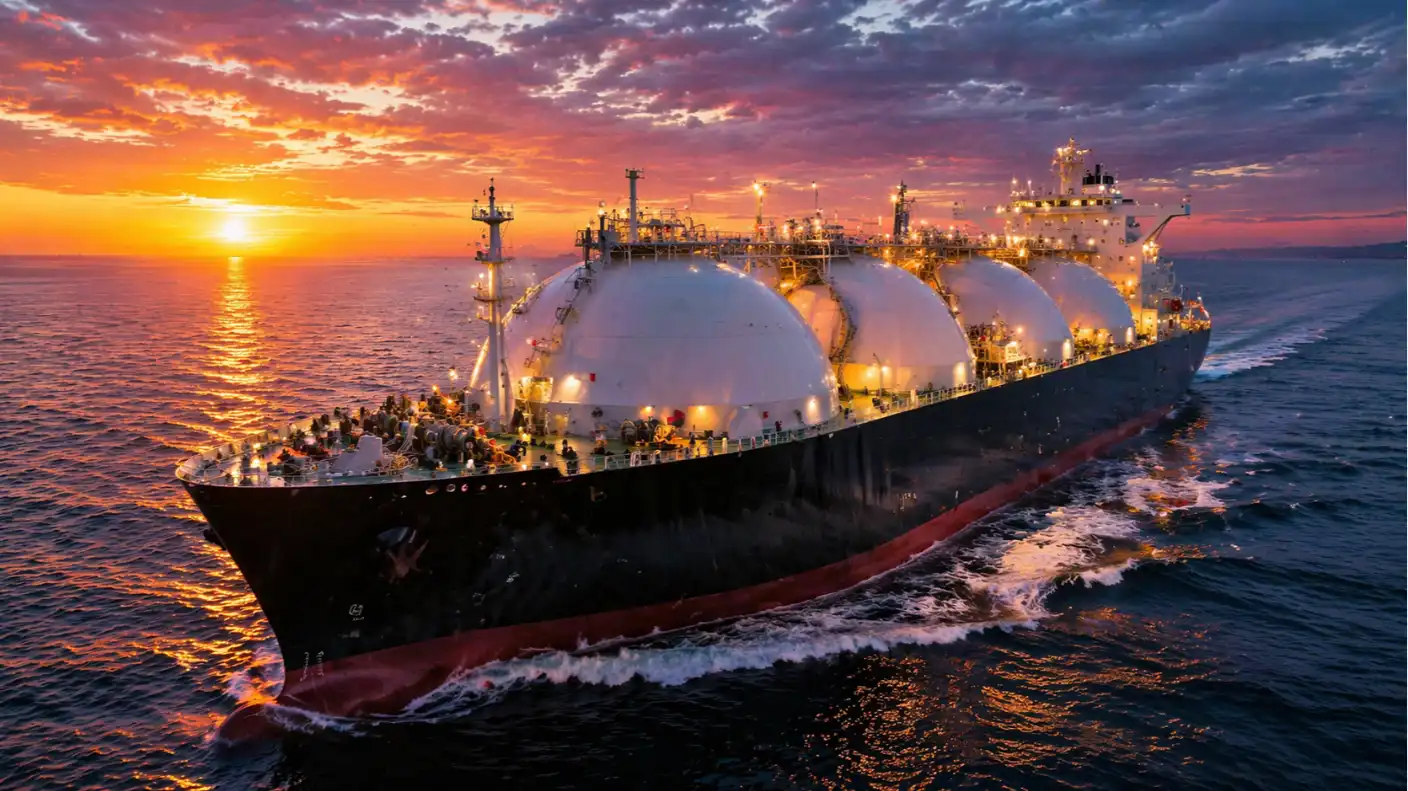
The current energy complex sits in the coastal town of Kitimat, British Columbia. The massive site successfully started its daily operations back in June 2025. Right now, the plant can produce 14 million metric tons of liquefied natural gas every year once it reaches full capacity. The facility chills natural gas until it turns into a liquid, which allows giant ships to carry the fuel across the ocean to buyers in Asia.
If the executives vote yes on the final investment decision later this year, the second phase will completely double that output. A 28-million-metric-ton capacity would turn the Kitimat site into a premier global energy powerhouse. Expanding the facility means the company can load twice as many cargo ships and sell twice as much fuel to international customers. This expansion requires adding new processing units and expanding the pipeline network that feeds gas into the plant.
Building a project of this massive size requires incredible coordination between corporate investors and local communities. Securing the total backing of First Nations groups remains a top priority for the project leaders. The company wants to ensure local indigenous communities benefit directly from the massive revenues generated by the energy exports. Reaching these final agreements stands as a crucial hurdle before anyone signs off on the final investment decision.
Despite the economic excitement, the company still faces intense criticism regarding its current environmental footprint. On Friday, Cooper answered tough questions about the facility releasing too much gas into the air. During multiple months last fall and winter, the Kitimat plant exceeded strict government regulatory limits for gas flaring. Flaring burns off excess natural gas, which releases visible flames and chemical emissions into the local atmosphere.
Residents and environmental groups expressed concern when they saw the sky light up with these massive flares. The regulatory breaches triggered questions about whether the plant could operate cleanly over the long term. Environmentalists worry that doubling the plant’s size could also double the amount of pollution released into the pristine coastal environment.
Cooper strongly defended the operational track record of the new plant. He explained that these high flare volumes happen at almost every single natural gas facility during the initial startup phase. When engineers test brand-new equipment and calibrate massive pressure systems, they must vent off excess gas to keep the entire plant safe. Burning the gas prevents dangerous pressure buildups inside the pipes.
Cooper promised that these large gas releases will drop significantly very soon. As the complex reaches a steady, normal state of daily operations, the massive flares will diminish. The equipment will stop tripping safety valves, and the gas will flow smoothly into the chilling units instead of up the flare stacks.
The pressure continues to mount as the final deadline approaches. Shell and its partners hold the financial fate of the Kitimat region in their hands. If they greenlight the expansion, thousands of construction workers will arrive to build the new processing units. The next few months of heavy engineering and intense negotiations will ultimately decide the future of the Canadian natural gas industry.